Your Responsible Supplier Partner for Oil and Gas Products.

Stainless Steel Wire Rope
Recent Products

Rencent Articles


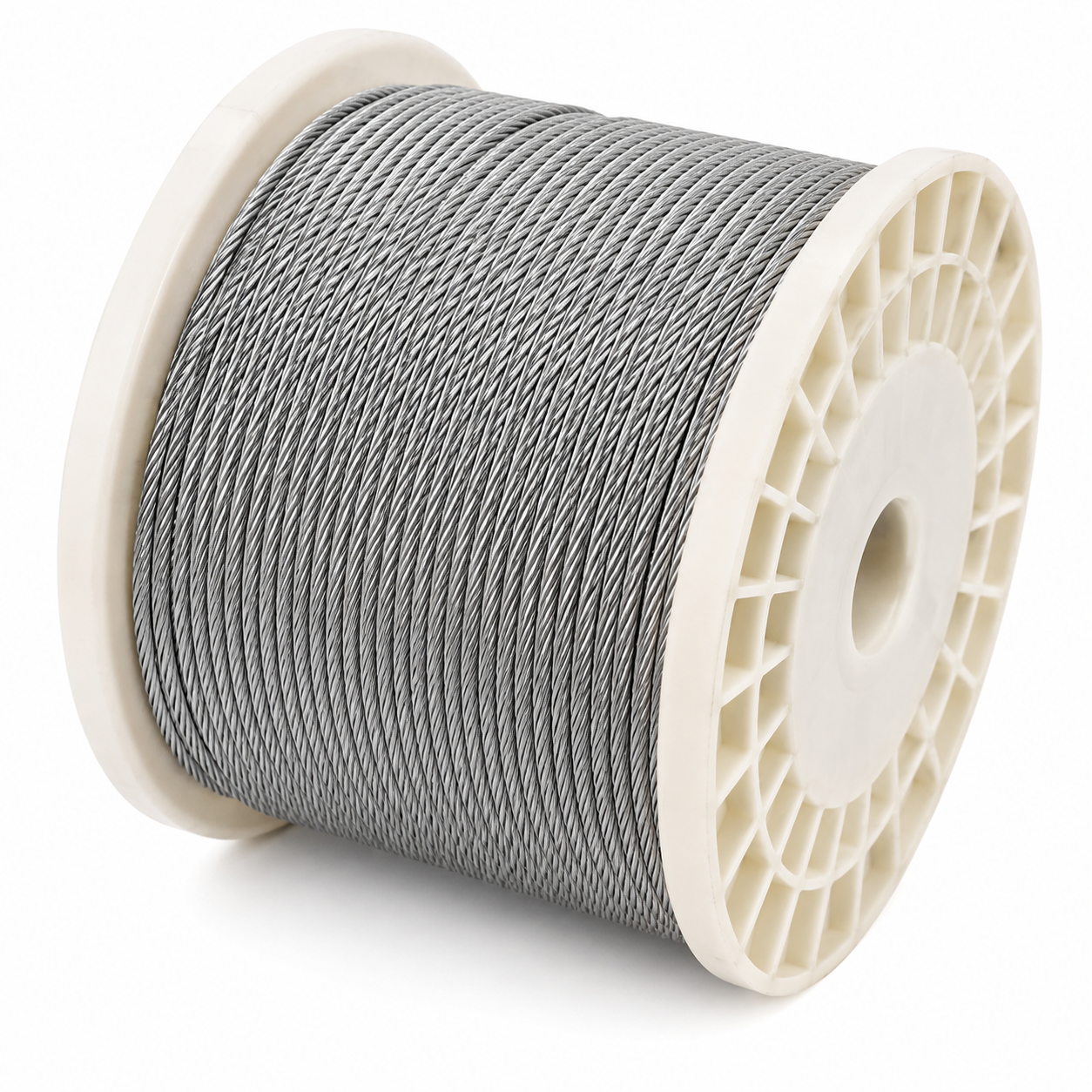
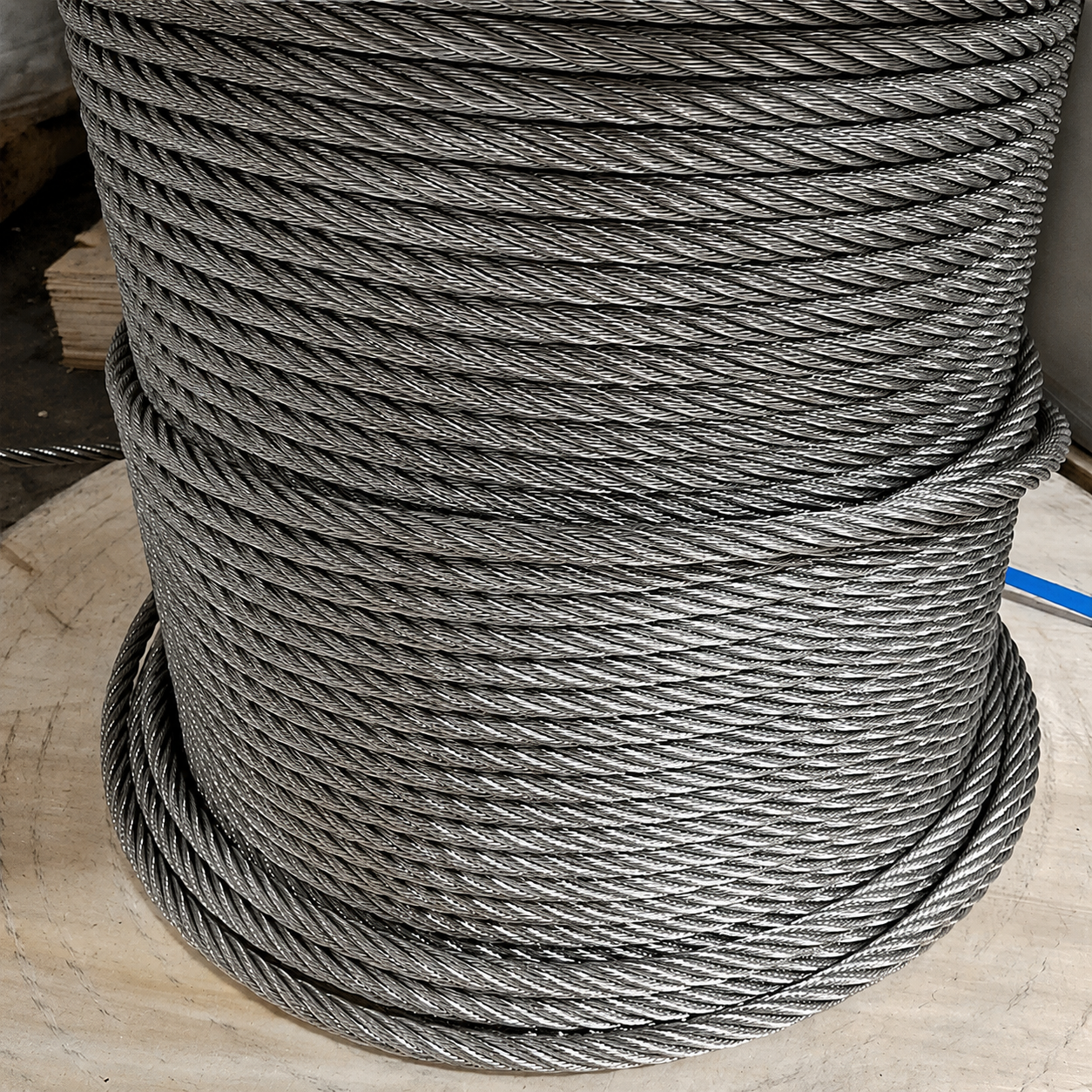
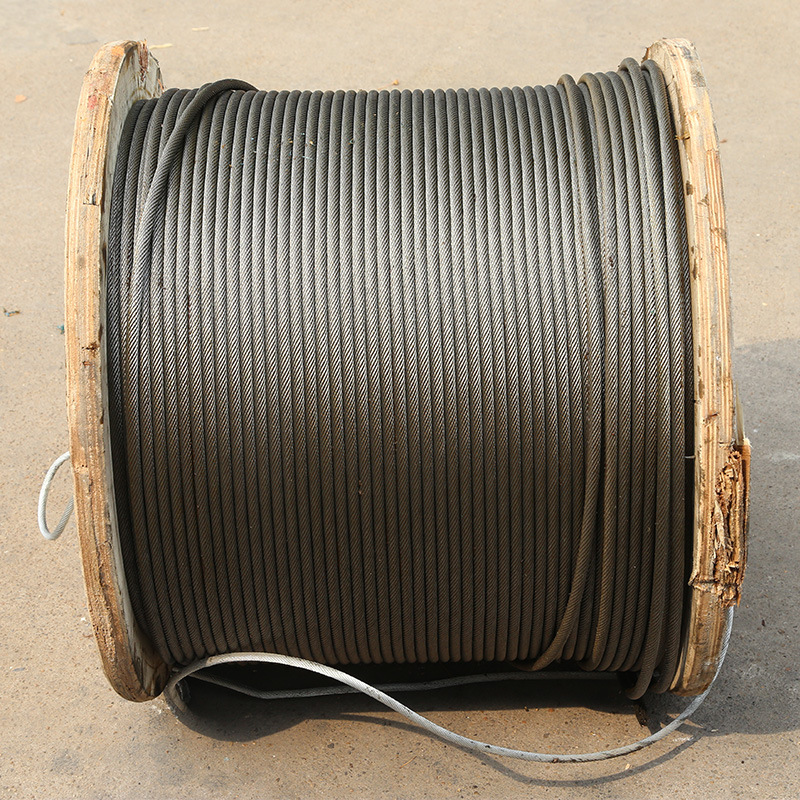
Stainless Steel Wire Rope
Supply Range of Diameters: Small-diameter cable for control, architectural and rigging systems; larger rope for industrial and lifting applications
Construction Type: 1×19, 7×7, 7×19, 6×19, 6×36; project-specific 19×7, 35Wx7 and 19×37
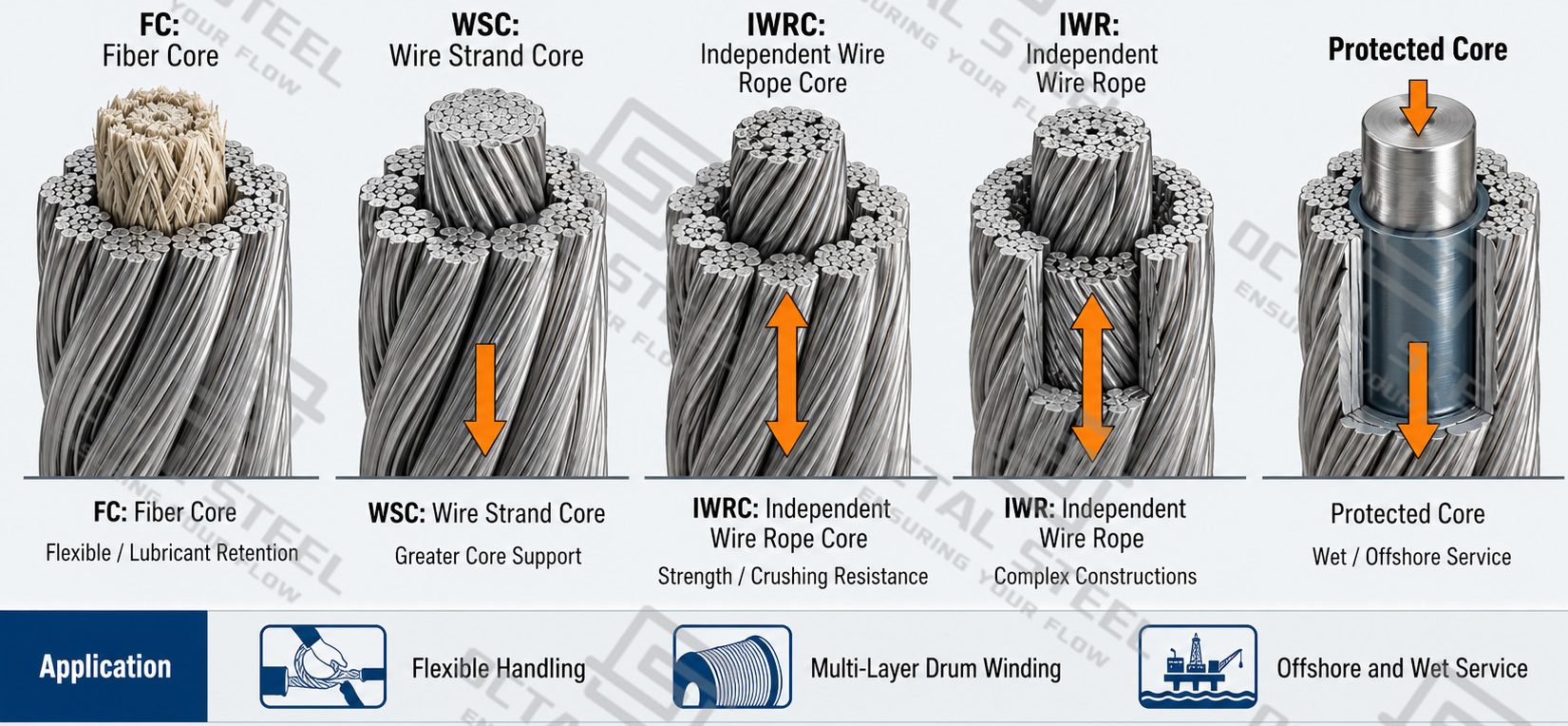
Core Type: FC, WSC, IWRC, IWR or protected core design, where applicable
Material: 304 stainless steel, 316 stainless steel
Tensile Strength: 1570 MPa, 1670 MPa, 1770 MPa, 1960 MPa and 2160 MPa when required
Product Form: Bare rope, coated rope, cut length, continuous reel length or finished cable assembly
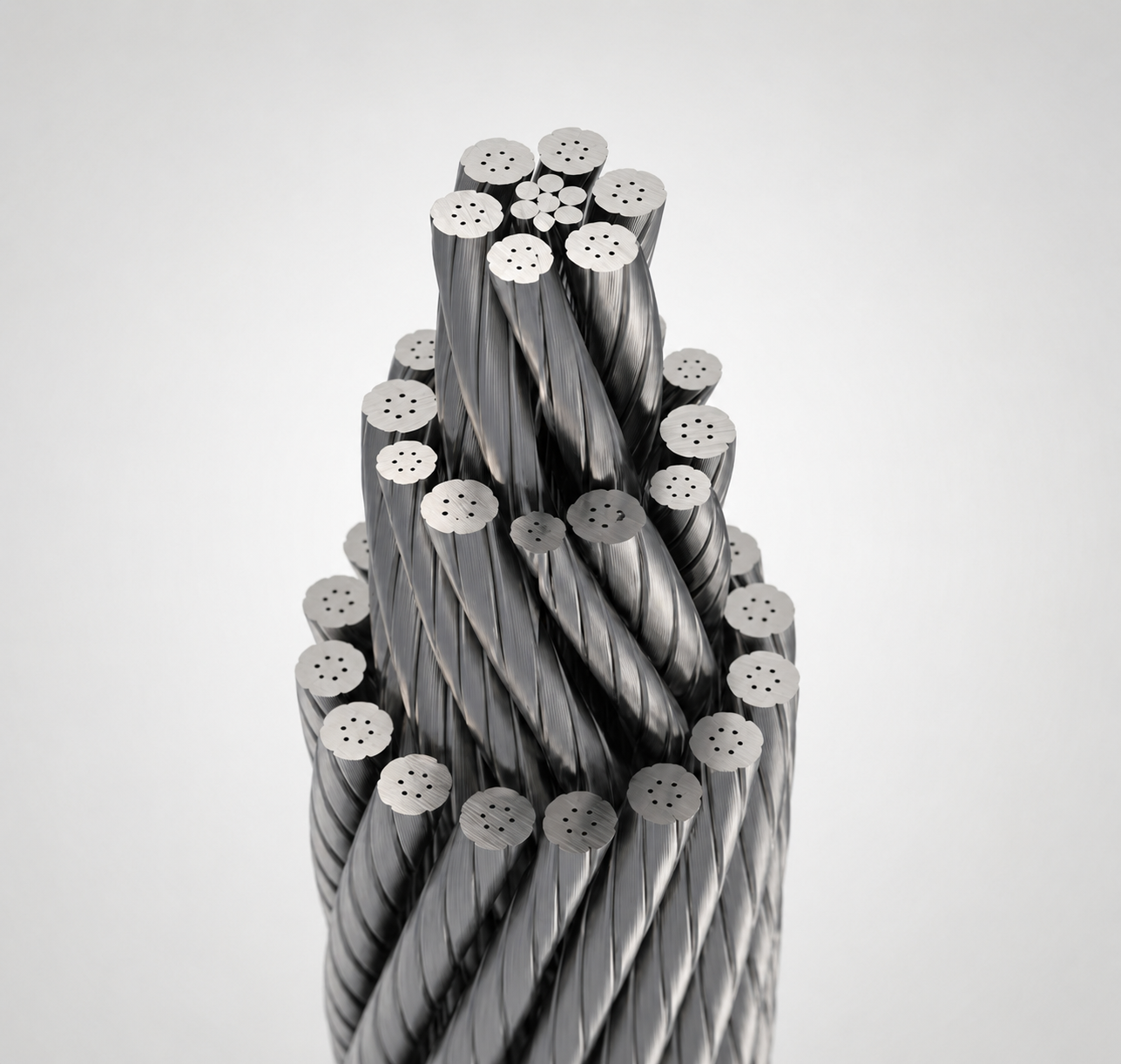
Stainless steel wire rope is a corrosion-resistant load-bearing cable made by twisting stainless steel wires into strands and then closing the strands into a finished rope construction. According to the required balance of strength, flexibility and bending performance, common constructions include 1×19, 7×7, 7×19, 6×19 and 6×36.
Stainless steel wire rope is commonly used in architectural cable systems, marine rigging, winches, pulleys, control cables, lifting assemblies and other applications that require both mechanical strength and corrosion resistance. Compared with uncoated carbon steel and galvanized wire rope, it provides a cleaner surface, better long-term corrosion resistance and reduced dependence on external protective coatings.
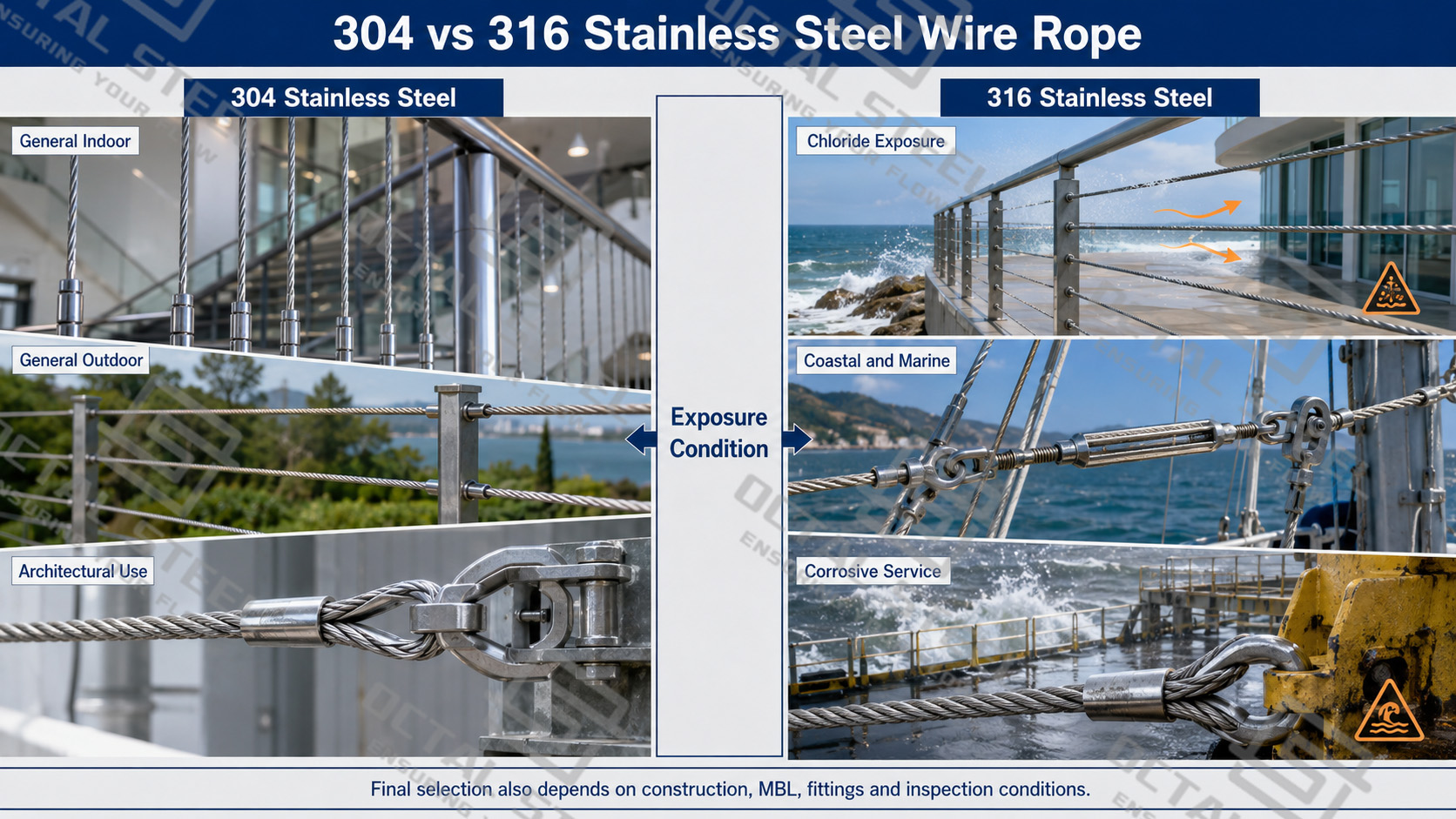
Grade 304 is widely used for general indoor, outdoor and architectural applications, while grade 316 offers better resistance to chloride, salt spray and marine exposure, making it more suitable for coastal, offshore and other corrosive environments.Octal’s stainless steel wire rope range is selected according to construction, diameter, core type, minimum breaking load and service condition. The published steel wire rope range includes tensile-strength grades of 1570, 1670, 1770, 1960 and 2160 MPa when required, subject to the selected material, construction and project specification.
Stainless Steel Wire Rope Supply Range
| Item | Common Options / Review Points |
|---|---|
| Material | 304 stainless steel, 316 stainless steel |
| Common Constructions | 1×19, 7×7, 7×19, 6×19, 6×36 |
| Project-Specific Constructions | 8×19, 19×7, 35Wx7, 19×37, or confirmed special construction |
| Core Type | FC, WSC, IWRC, IWR, or protected core design where applicable |
| Tensile Strength | 1570 MPa, 1670 MPa, 1770 MPa, 1960 MPa, and 2160 MPa when required |
| Diameter Range | Small-diameter cable for control, architectural, and rigging systems; larger rope for industrial and lifting applications |
| Surface Condition | Stainless finish, lubricated, coated, or marine corrosion-protected |
| Product Form | Bare rope, coated rope, cut length, continuous reel length, or finished cable assembly when confirmed |
| Packing | Coil, reel, wooden drum, steel reel, or customized offshore reel |
| Documents | MTC, breaking-load certificate, dimensional report, inspection certificate, certificate of conformity, and packing list as specified |
Not every combination of material, construction, core and tensile grade is automatically available. The final supply scope should be confirmed against the required diameter, minimum breaking load, operating condition and approved product specification.
304 and 316 Stainless Steel Wire Rope
304 and 316 are the principal stainless steel grades considered for wire rope. Both provide a clean metallic surface and better atmospheric corrosion resistance than uncoated carbon steel, but the final selection should be based on the actual exposure condition rather than appearance or initial cost alone.
For procurement, the most important review factors are chloride and salt contamination, retained moisture, crevice geometry, surface deposits, cleaning access, lubrication compatibility and end-fitting design. These conditions often determine corrosion performance more directly than the material designation by itself.
304 Stainless Steel Wire Rope
304 stainless steel wire rope is commonly selected where atmospheric exposure is moderate and sustained chloride contamination is not expected. It is widely used for indoor architectural cables, general outdoor barriers, control assemblies, equipment suspension and clean industrial systems.
It may also be suitable for sheltered outdoor or light marine service where salt accumulation is limited and routine cleaning is available. However, 304 should not be treated as equivalent to 316 where the rope is continuously exposed to salt spray, coastal deposits, chloride-bearing water or inaccessible crevices.
316 Stainless Steel Wire Rope
316 stainless steel wire rope is normally reviewed first for coastal, marine, offshore and chloride-containing environments. Its corrosion resistance provides a greater selection margin where salt deposits, splash exposure, retained moisture or crevice conditions increase the risk of localized attack.
Typical applications include marine rigging, coastal architectural cables, exposed deck systems, offshore handling equipment, water-treatment installations and corrosion-sensitive industrial cable assemblies.
316 stainless steel is not corrosion-proof. Persistent deposits, stagnant moisture, aggressive chemicals, dissimilar-metal contact, damaged surfaces and poorly designed terminations can still reduce service life. In severe environments, the project may require enhanced surface protection, controlled lubrication, improved inspection access or a higher-alloy material rather than relying on 316 alone.
Preliminary Material Selection
| Exposure Condition | 304 Stainless Steel Wire Rope | 316 Stainless Steel Wire Rope |
|---|---|---|
| Indoor and clean atmospheric service | Commonly selected | Suitable |
| General outdoor exposure | Commonly selected where chloride is controlled | Suitable |
| Architectural systems | Suitable for moderate exposure | Preferred where coastal salts are present |
| Sheltered or light marine service | Requires environmental review | Commonly selected |
| Coastal and salt-spray exposure | Limited or protected service | Normally reviewed first |
| Offshore or chloride-rich service | Generally not the first selection | Preferred, subject to full project review |
| Final selection basis | Exposure, construction, MBL and fittings | Exposure, construction, MBL and fittings |
Engineering note: Material grade alone does not determine rope service life. Construction, crevice condition, deposits, temperature, cleaning, lubrication, mechanical wear and termination design must be reviewed together.For a broader comparison of alloy chemistry, chloride resistance and material-selection logic, review our 304 vs 316 Stainless Steel guide.
Stainless Steel Wire Rope Constructions
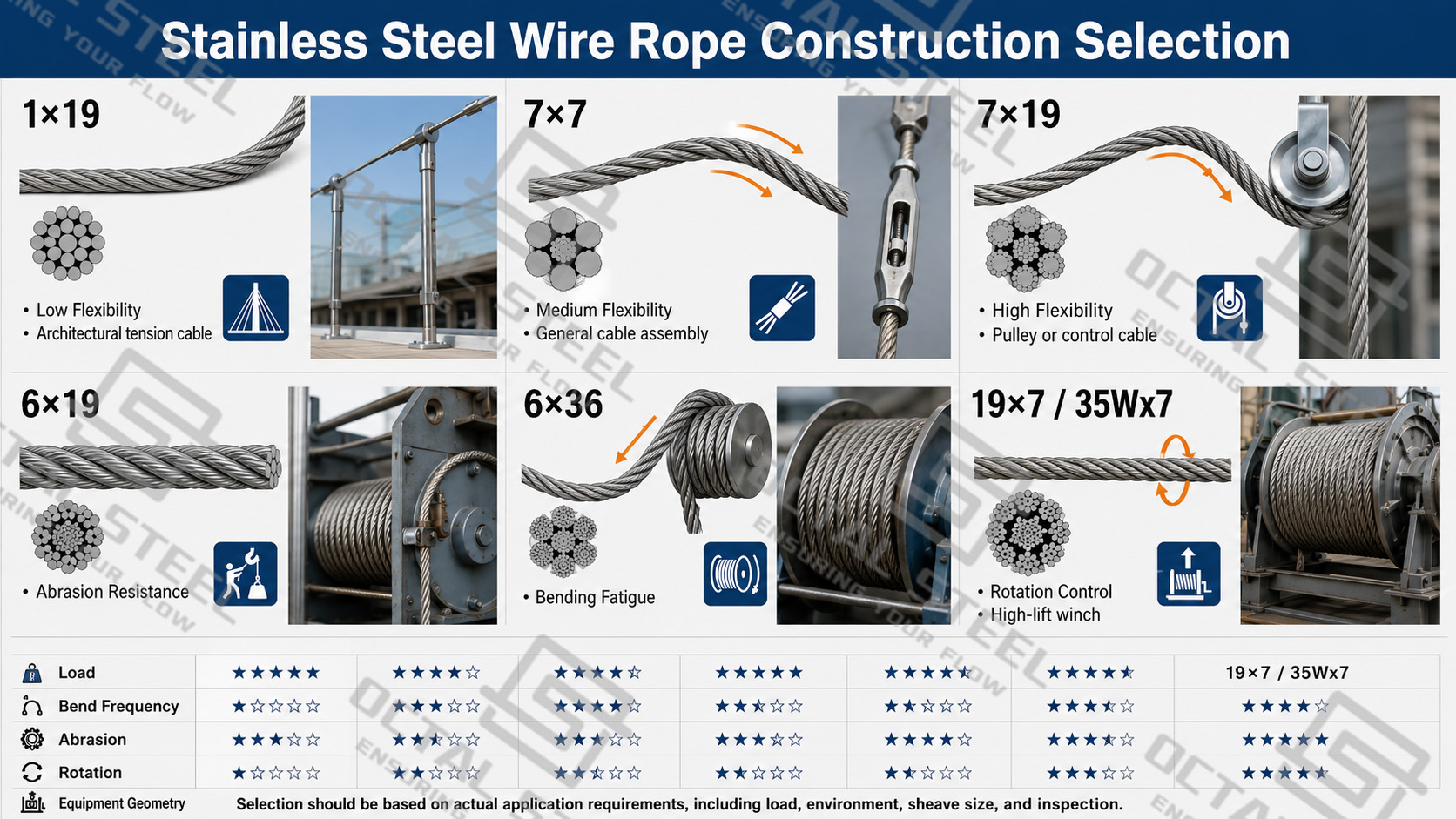
Wire rope construction determines the arrangement of wires and strands in the finished rope. It directly affects flexibility, abrasion resistance, bending-fatigue performance, crushing resistance and rotational stability. Construction must be selected together with rope diameter, core type, MBL, drum or sheave geometry and operating condition.
1×19 Stainless Steel Wire Rope
The 1×19 construction is a single strand made from nineteen wires. It provides high dimensional stability and a straight appearance but has limited flexibility.
It is mainly used for architectural tension cables, standing rigging, bracing and other static assemblies. Repeated bending over small pulleys is generally unsuitable, so termination alignment and installation tension must be controlled.
7×7 Stainless Steel Wire Rope
The 7×7 construction provides a practical balance between stiffness and flexibility. It bends more easily than 1×19 but remains more stable than 7×19.
Typical applications include control systems, restraint cables, equipment connections and light pulley service. Final selection should consider pulley diameter, bending frequency, load and termination design.
7×19 Stainless Steel Wire Rope
The 7×19 construction uses more small-diameter wires, giving it higher flexibility and better performance under repeated bending.
It is commonly used for control cables, pulleys, winches, marine assemblies and flexible rigging systems. Its smaller outer wires may be more sensitive to abrasion, so sheave condition, rope speed, MBL and inspection requirements must be confirmed.
6×19 Stainless Steel Wire Rope
The 6×19 class generally uses six outer strands around a fiber or steel core. Its larger outer wires provide a useful balance of flexibility, abrasion resistance and structural support.
It is suitable for industrial pulling, lifting, winch and crane service. The exact strand pattern, core type, lay, MBL and drum arrangement must be specified because different 6×19 constructions can perform differently.
6×36 Stainless Steel Wire Rope
The 6×36 class contains more smaller wires than 6×19, providing greater flexibility and improved bending-fatigue performance.
It is commonly selected for repeated sheave contact, drum winding, hoisting and winch systems. Sheave geometry, groove condition, multi-layer winding, contact pressure and core support remain important selection factors.
Rotation-Resistant Constructions
Constructions such as 19×7, 35Wx7 and 19×37 are used where suspended loads require improved rotational stability.
They are mainly considered for high-lift winches, cranes and specialized lifting systems. Rotation behavior, rope diameter, MBL, reel length and equipment compatibility require project-specific confirmation.
Construction Selection Guide
| Construction | Relative Flexibility | Main Engineering Characteristic | Typical Application Direction |
|---|---|---|---|
| 1×19 | Low | Straight, stable strand for limited bending | Architectural tensioning, standing rigging |
| 7×7 | Medium | Balance of flexibility and structural stability | General cable assemblies, light pulley service |
| 7×19 | High | Repeated bending and small-sheave compatibility | Control cables, winches, pulleys |
| 6×19 | Medium | Larger outer wires and abrasion resistance | Industrial pulling and lifting |
| 6×36 | High | Improved bending-fatigue behavior | Repeated drum and sheave operation |
| 19×7 / 35Wx7 / 19×37 | Project-Specific | Rotation control under suspended load | High-lift and special winch systems |
Final construction must be matched to load, bending frequency, abrasion, rotation behavior, rope speed and equipment geometry.
Core Types
The rope core supports the surrounding strands and helps the rope maintain its shape under load. Core selection affects flexibility, strength, crushing resistance, lubricant retention and stability during drum winding.
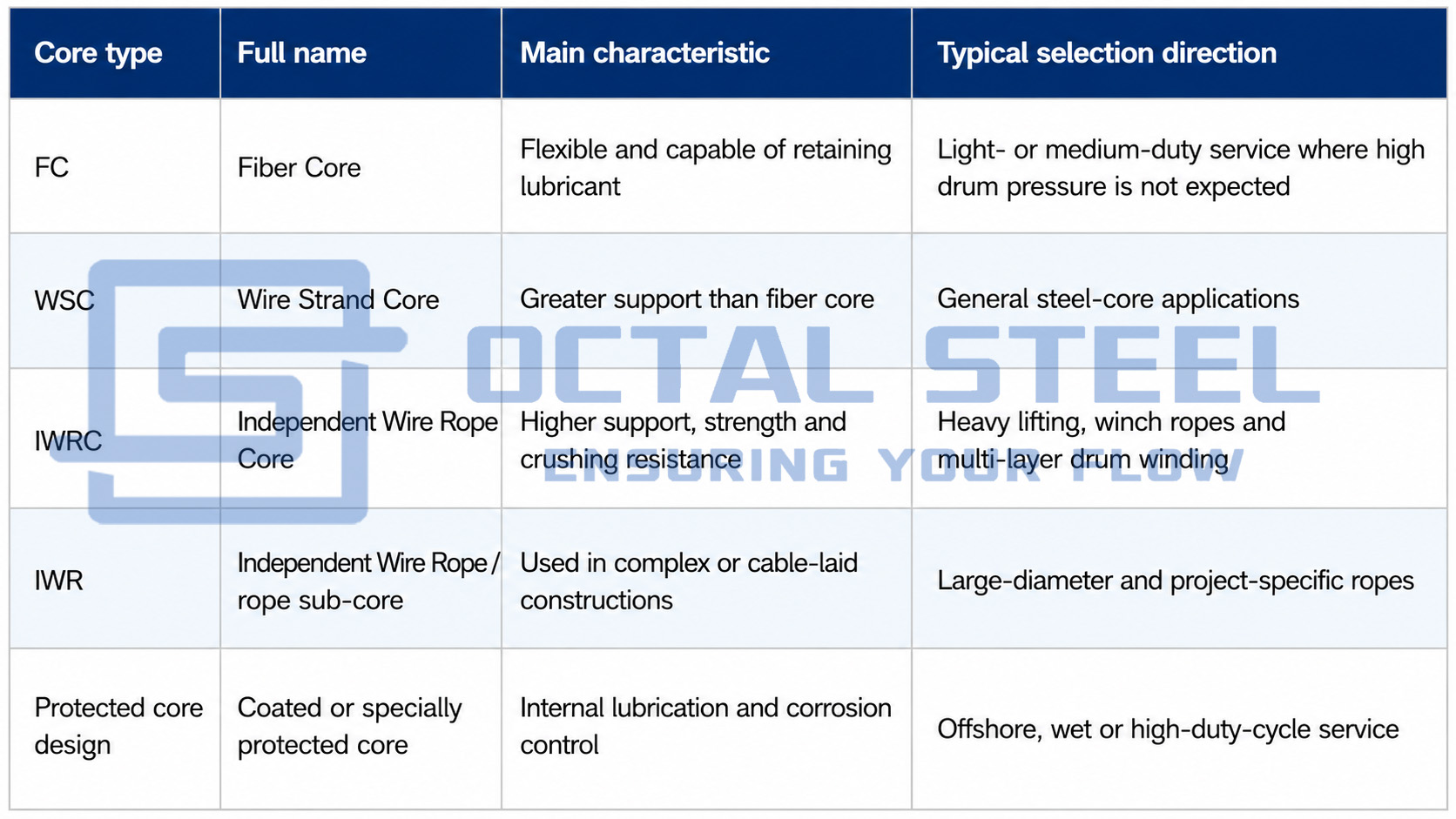
For high contact pressure or multi-layer winding, IWRC is normally reviewed before a softer FC design. For lighter duty and flexible handling, FC may be suitable, subject to MBL and equipment requirements.
Download:Stainless_Steel_Wire_Rope_Selection.pdf
MBL, WLL and Safety Factor
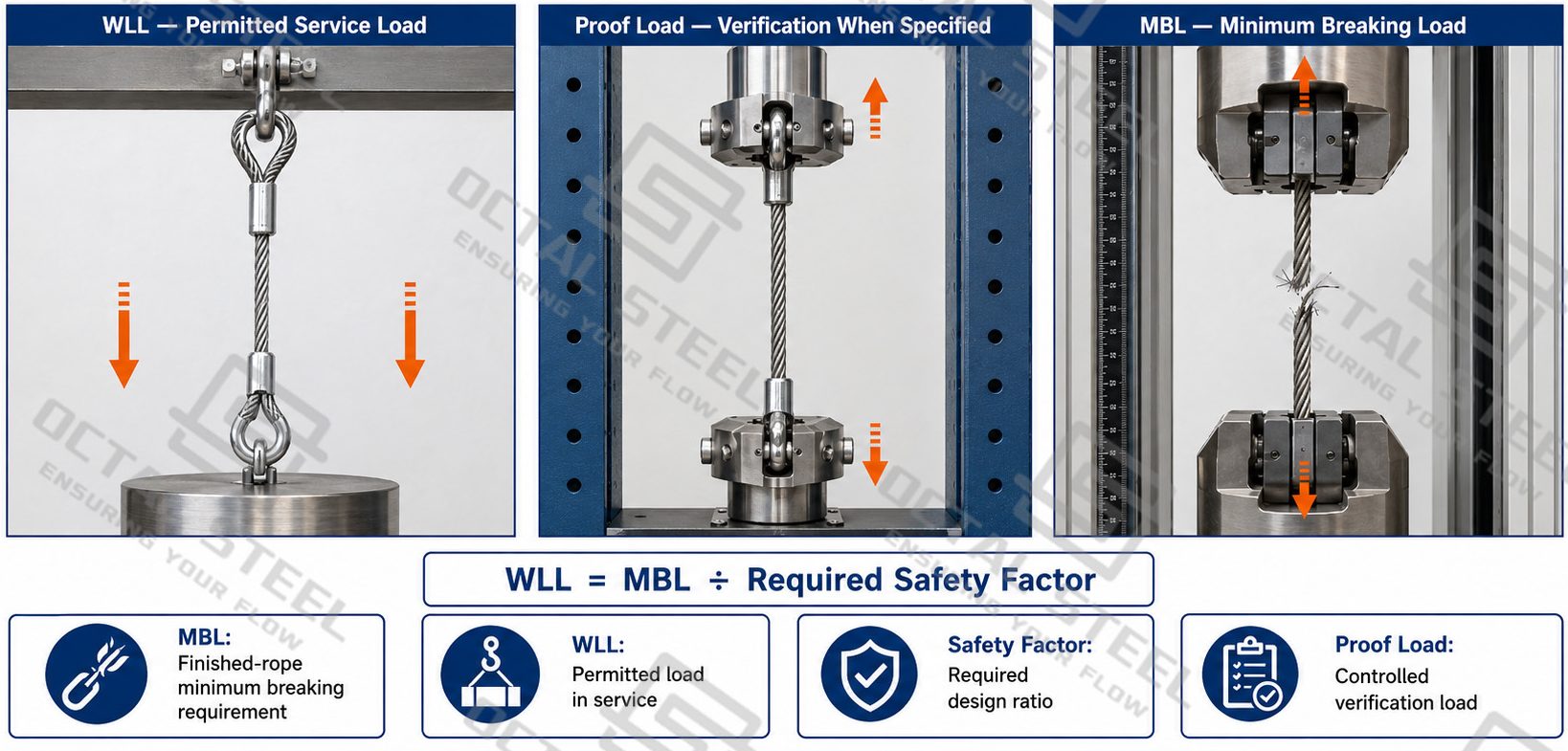
MBL, WLL, proof load and safety factor describe different load levels in the rope selection and verification process. They must not be used interchangeably, and none of them can be determined from stainless steel grade or rope diameter alone.
Minimum Breaking Load (MBL):
The Minimum Breaking Load is the minimum breaking force specified for the finished rope or rope assembly under the applicable test procedure. The actual breaking force recorded during testing must meet or exceed the specified MBL.
For example, an MBL of 100 kN means that the tested rope or assembly must withstand at least 100 kN before failure under the defined test conditions. It does not mean that the rope may carry 100 kN during normal service.
For a terminated assembly, the applicable breaking value must reflect the complete assembly, including the rope, socket, swaged fitting, eye or other termination. The bare-rope MBL should not automatically be used as the assembly strength.
Working Load Limit (WLL):
The Working Load Limit is the maximum load permitted during normal service after applying the required design or safety factor.
The basic relationship is: WLL = MBL ÷ Required Safety Factor
The reverse calculation is: Required MBL = WLL × Required Safety Factor
For example, using a rope or assembly with an MBL of 100 kN:
| Required Safety Factor | Calculated WLL |
|---|---|
| 5:1 | 20 kN |
| 8:1 | 12.5 kN |
| 10:1 | 10 kN |
This table shows why the same rope can have different allowable working loads in different applications. A higher required safety factor produces a lower WLL.
The final WLL must also account for the termination, number of legs, loading angle, hitch arrangement, bending condition and the rated capacity of the weakest component in the assembly.
Safety Factor:
The safety factor, also called the design factor in some specifications, is the ratio between the minimum breaking load and the permitted working load:
Safety Factor = MBL ÷ WLL
The required value depends on the equipment, load type, operating risk and applicable regulation. It is not selected by the rope supplier without an approved design basis.
OSHA requires a design safety factor of at least five for certain running-wire and light-sling applications, while personnel-hoisting rules require hardware to support at least five times the intended load and rotation-resistant rope slings to support at least ten times the intended load. Construction-hoist suspension-rope factors also vary with rope speed.
Engineering boundary: The supplier should confirm the rope or assembly MBL and provide the agreed test documentation. The purchaser, equipment designer or applicable regulation must define the safety factor, WLL and proof-load requirement. Material grade, corrosion resistance and nominal diameter alone do not establish lifting suitability.
Surface, Lubrication and Coated Options
Stainless steel wire rope can be supplied with a clean stainless surface, lubrication, an external coating or a project-specific corrosion-protection system.
Bare Stainless Steel Rope
Bare stainless rope is selected where visual appearance, cleaning access and direct stainless exposure are required. Surface condition should still be checked for contamination, embedded carbon-steel particles and handling damage.
Lubricated Stainless Steel Rope
Lubrication can reduce internal wire friction and help limit moisture entry between wires and strands. The lubricant must be suitable for the operating environment and downstream use.
Coated Stainless Steel Rope
PVC, vinyl, nylon or another coating may be reviewed for applications requiring surface protection, improved handling or separation from adjacent components. Coating material, thickness, color and temperature limit should be confirmed in the purchase specification rather than assumed.
For coated rope, the purchaser should distinguish between:
- bare-rope diameter;
- finished coated diameter;
- coating material;
- coating thickness;
- color;
- required adhesion;
- end treatment.
Stainless Steel Wire Rope Applications
- Marine and Coastal Systems:
316 stainless steel wire rope is commonly reviewed for marine rigging, exposed deck systems, coastal architecture and other chloride-containing environments.
Selection should consider salt accumulation, crevices, dissimilar-metal contact, end fittings, inspection access and cleaning frequency. Stainless material does not remove the need for periodic inspection.
- Architectural Cable Systems:
Architectural cable systems use stainless steel wire rope as part of a complete load path that includes the cable, terminal, anchor and supporting structure. The 1×19 construction is normally selected for straight tension members where dimensional stability and a clean appearance are required, while 7×7 is more suitable where moderate flexibility is needed during routing or installation.
Typical applications include cable railings, balustrades, façade supports, suspended signage and lighting systems. Selection must consider design tension, span length, anchor capacity, terminal alignment, corrosion exposure and access for inspection. Misaligned fittings, uneven tension or inadequate structural support can concentrate load at the termination and reduce service reliability.
- Control Cables and Pulley Systems:
7×7 and 7×19 constructions are normally considered where the rope must bend repeatedly over pulleys or small sheaves.
The minimum sheave diameter, groove condition and bending cycle must be checked. Using a flexible rope does not compensate for an undersized or damaged pulley.
- Winch and Drum Applications:
Winch rope selection requires review of crushing resistance, drum groove, lay direction, multi-layer winding and lubrication.
For multi-layer winding or higher drum pressure, a steel core such as IWRC may provide better support than FC, where the construction permits.
- Lifting and Rigging:
Stainless steel wire rope may be used in lifting and rigging systems only when the complete rope specification is matched to the intended load and equipment. Selection must confirm construction, core type, nominal diameter, MBL, WLL, safety factor, end termination and applicable inspection requirements.
Corrosion resistance alone does not establish lifting suitability. Bending fatigue, shock loading, sheave or drum condition, termination efficiency and discard criteria also affect safe service. For repeated lifting or multi-layer winding, core support and crushing resistance require particular review.
- Clean and Corrosive Industrial Environments:
Stainless steel wire rope is used in water-treatment, food-processing, chemical-processing and outdoor automation systems where moisture, deposits or cleaning conditions can accelerate corrosion of unprotected carbon steel rope.
Selection must consider chemical exposure, temperature, cleaning method, lubrication compatibility, crevice formation and inspection access. Grade 316 is normally reviewed first for chloride-containing or persistently wet environments, while grade 304 may be suitable where exposure is moderate and regular cleaning is available.
Stainless Steel Wire Rope Inspection
Inspection should address both manufacturing conformity and service-related damage.
Diameter Measurement:Nominal diameter and actual diameter should be checked using an appropriate measurement method. Diameter reduction may indicate wear, corrosion, compression or strand damage.
Broken Wires:Broken wires may result from bending fatigue, overload, abrasion or corrosion. Their number, location and distribution are more important than a simple visual statement that the rope has “some broken wires.”
Surface Corrosion:Inspection should identify localized pitting, staining, crevice corrosion and deposits that can retain chloride or moisture.
Kinks and Birdcaging:Kinks, strand displacement and birdcage deformation indicate structural damage. A severely distorted rope should not be returned to service merely by straightening it.
Drum Crushing:Flattening and strand distortion can occur during multi-layer winding or excessive drum pressure. Core support and drum condition must be considered together.
Lubrication Condition:Loss or contamination of lubricant increases internal friction and may accelerate wire wear. Relubrication must use a product compatible with the original lubricant and service environment.
End Terminations:Sockets, swaged terminals, thimbles, clips, splices and other fittings should be inspected for slippage, cracking, distortion and corrosion.
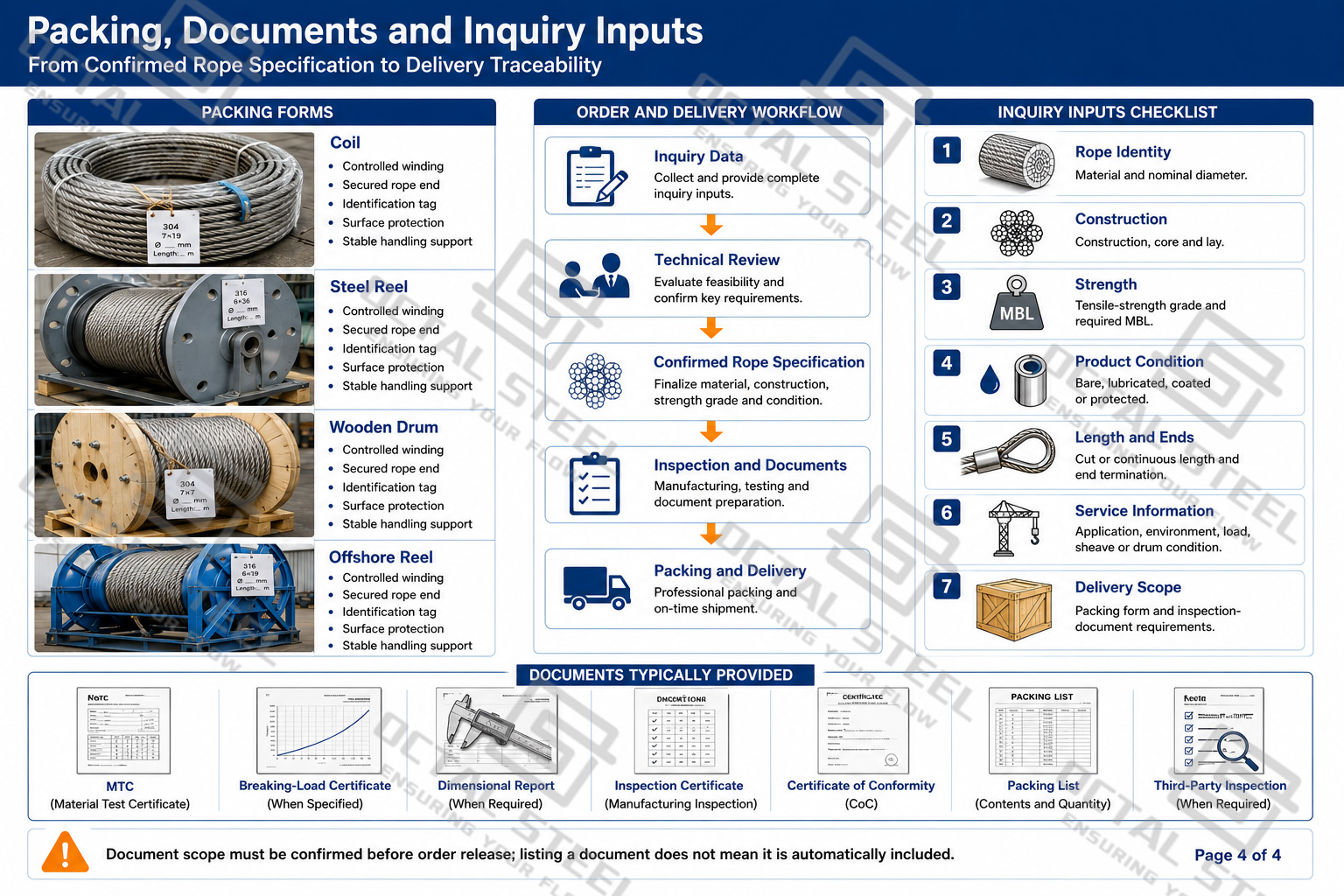
Identification and Documents:Rope marking, reel label, inspection record, certificate and packing list should show the same product identity.
The minimum traceability chain is:Diameter → Construction → Core → Material → Tensile Grade → MBL → Length → Reel Number → Inspection Documents
Octal’s parent product page uses this identity chain to reduce wrong-rope delivery, certificate mismatch and site-acceptance delays.
Packing and Delivery
Download:Stainless_Steel_Wire_Rope_Load_Inspection_and_Ordering.pdf
Stainless Steel Wire Rope Supply from Octal
Octal supplies stainless steel wire rope according to the complete technical specification rather than nominal diameter alone. Material grade, construction, core type, tensile-strength grade, minimum breaking load, lay, surface condition, length, end termination and operating environment are reviewed together. This specification-based approach helps reduce incorrect rope selection, equipment incompatibility and document mismatch during project acceptance.
The available supply scope covers 304 and 316 stainless steel wire rope, common constructions such as 1×19, 7×7, 7×19, 6×19 and 6×36, as well as project-specific constructions where confirmed. Rope may be supplied as bare, lubricated, coated or specially protected products in cut lengths, continuous reel lengths or finished cable assemblies. Packing can be arranged in coils, steel reels, wooden drums or customized offshore reels according to rope length, weight, transportation and site-handling requirements.
For lifting, repeated bending, marine exposure, multi-layer drum winding and rotation-control applications, Octal reviews the rope specification together with the equipment interface and acceptance requirements before production. Sheave or drum condition, end fittings, required MBL, working-load basis, inspection scope and traceability documents can therefore be aligned with the intended service condition.
FAQ
Q: What is the difference between 304 and 316 stainless steel wire rope?
A: Both grades provide corrosion resistance and a clean stainless surface. Grade 304 is commonly used for general indoor and outdoor applications. Grade 316 provides better resistance to chloride, salt spray and marine exposure, making it more suitable for coastal, offshore and chemically aggressive environments. Final selection must also consider construction, MBL, fittings and inspection conditions.
Q: Which is more flexible, 1×19, 7×7 or 7×19 stainless steel wire rope?
A: Of these three constructions, 7×19 is generally the most flexible and is suitable for pulleys, winches and repeated bending. The 7×7 construction provides moderate flexibility, while 1×19 is relatively rigid and more suitable for architectural tensioning and static applications.
Q: Can stainless steel wire rope be used for lifting?
A: It can be used for lifting only when the complete rope specification, minimum breaking load, end termination, working-load limit, safety factor and applicable inspection requirements have been confirmed. Stainless material grade alone does not establish lifting suitability.
Q: What information is required for a stainless steel wire rope quotation?
A: Provide the stainless grade, diameter, construction, core type, tensile grade, MBL, required length, end termination, application, operating environment, packing method and inspection-document requirements. For an existing installation, equipment details such as sheave diameter, drum arrangement and working load should also be supplied.
Social Share