Your Responsible Supplier Partner for Oil and Gas Products.

How to Construct a Steel Building?
How to Construct a Steel Building?
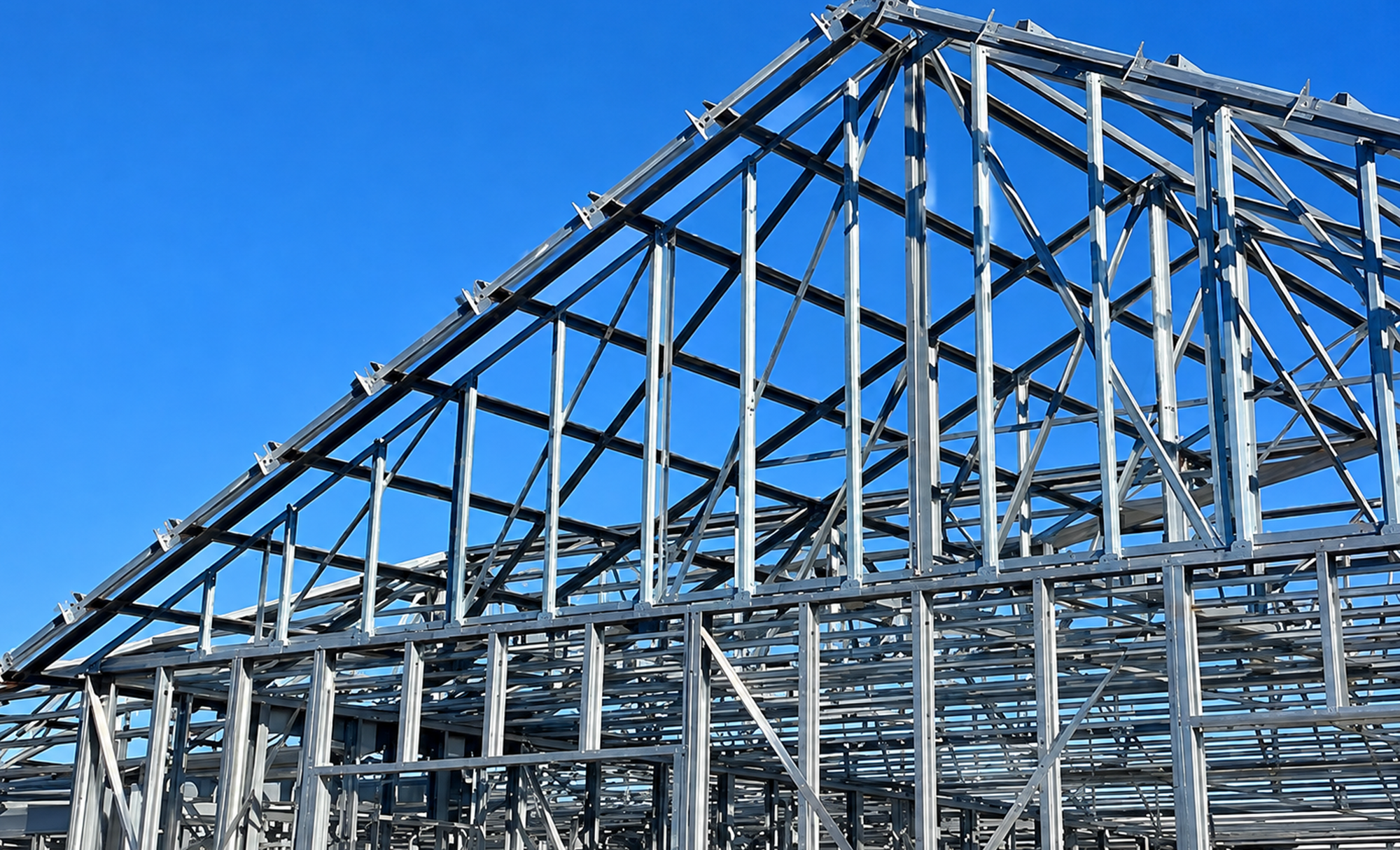
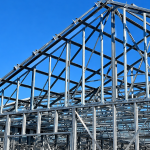
Steel building construction converts structural steel components into complete load-bearing structures through design, fabrication and installation. The process begins with defining project requirements and selecting a suitable structural system based on building function, load conditions, span requirements and service environment. Structural members such as columns, beams, bracing systems, secondary members and connection assemblies are then designed, fabricated and assembled to form a stable structural framework.
In practical steel building projects, each stage directly affects the performance of the final structure. Structural steel components must be manufactured according to engineering drawings with accurate dimensions and proper connection details, while welded or bolted connections ensure effective load transfer between individual members. Controlled fabrication and installation procedures are essential for maintaining structural alignment, stability and long-term service reliability. These principles are applied in industrial plants, warehouses, commercial buildings, energy facilities and infrastructure projects where steel structures are required to provide large-span capability, efficient load support and adaptable structural arrangements.
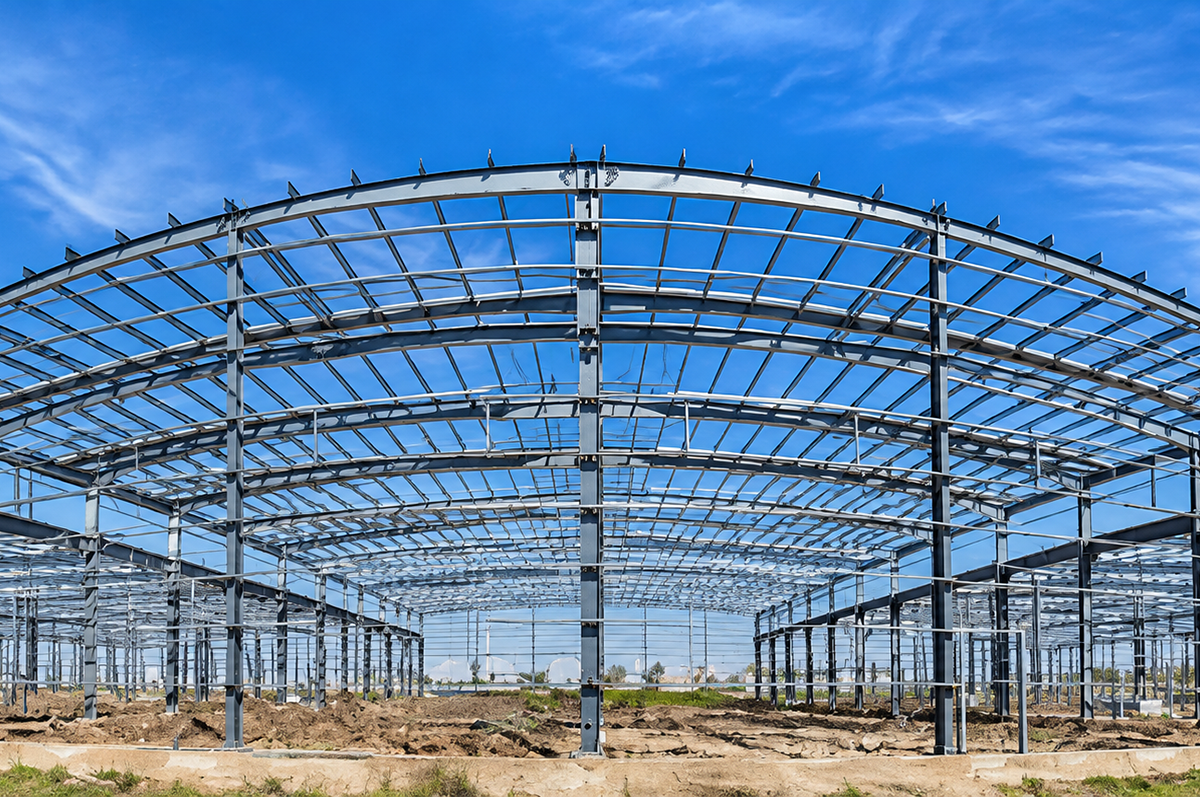
What Components Are Used in Steel Building Construction?
A steel building is composed of multiple structural systems that work together to form a complete load-bearing framework. Instead of relying on individual steel members alone, the overall structure integrates primary structural members, secondary structural components, stability systems and connection assemblies to transfer loads, maintain structural stability and meet specific project requirements.The arrangement of these systems depends on factors such as building function, span requirements, loading conditions, structural layout and service environment.
| Structural System | Main Components | Engineering Function | Typical Application |
|---|---|---|---|
| Primary Structural Members | Steel columns, beams, main frames and truss systems | Form the main load-bearing framework and transfer vertical and horizontal loads through the structural system to foundations. | Industrial buildings, warehouses, commercial buildings and multi-storey steel structures |
| Secondary Structural Components | Purlins, girts, secondary beams and steel decking systems | Support roof and wall systems, distribute local loads and connect building envelope components with the primary structure. | Warehouses, workshops, prefabricated steel buildings and commercial facilities |
| Stability and Bracing Systems | Diagonal bracing, moment frames and lateral resistance members | Resist wind loads, seismic actions and other lateral forces while controlling structural movement and maintaining overall stability. | Large-span structures, industrial facilities and buildings exposed to significant lateral loads |
| Connection Assemblies | Welded joints, bolted connections, splice plates and gusset plates | Transfer forces between individual members and ensure that separate components perform as an integrated structural system. | Fabricated steel frames, modular structures and complex steel assemblies |
The performance of a steel building depends on the coordinated design of these structural systems. Primary members establish the main load path, secondary components support functional requirements, stability systems control structural behavior, and connection assemblies ensure effective force transfer between individual elements. Together, these components determine the strength, accuracy and long-term reliability of the completed steel structure.
How Are Steel Building Structures Designed?
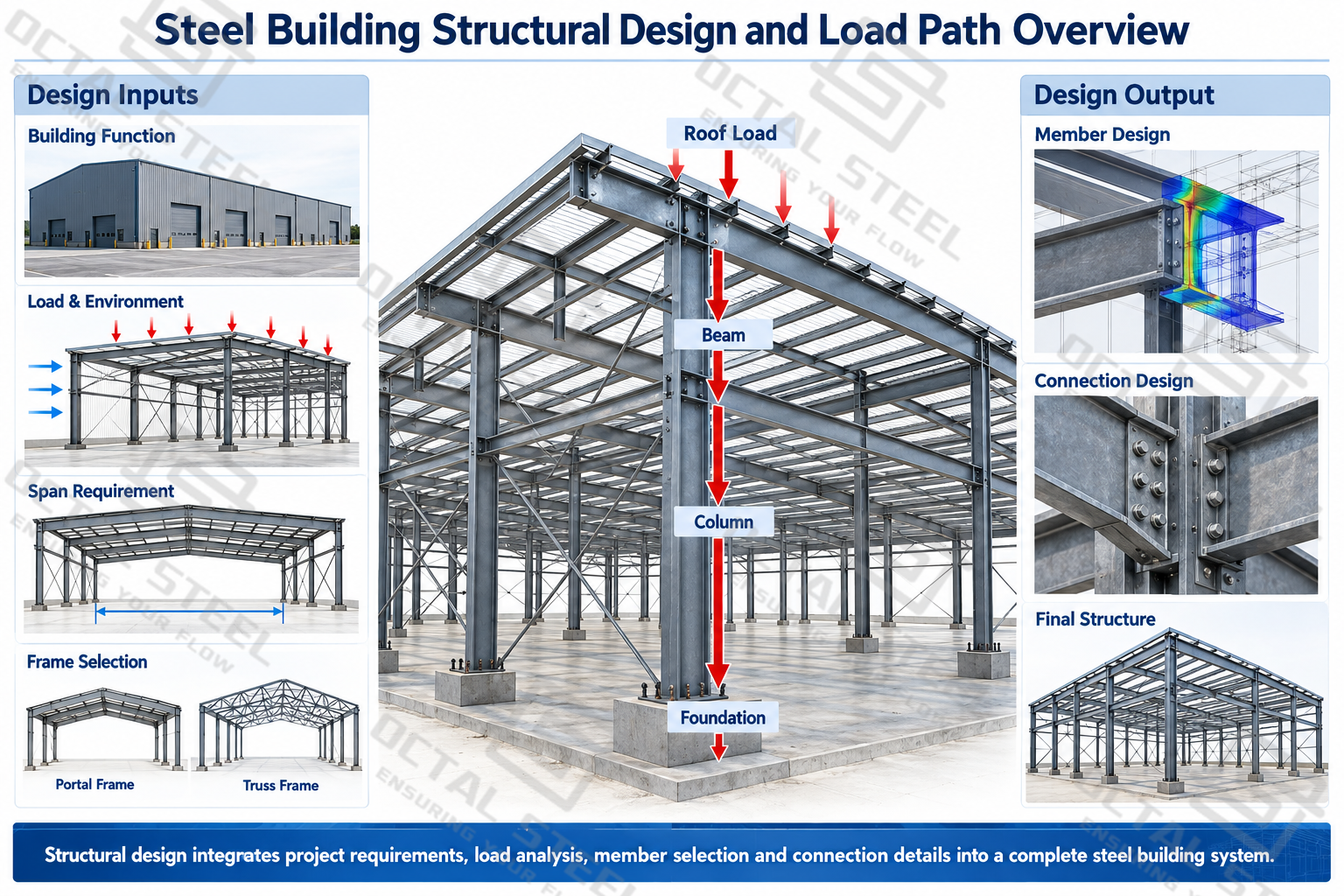
Steel building design begins with defining the required structural performance and selecting an appropriate structural system based on building function, loading conditions, span requirements and service environment. The design process focuses on how structural members, stability systems and connection details work together to form a complete load-bearing framework.
| Design Factor | Engineering Consideration | Influence on Steel Building Design |
|---|---|---|
| Building Function | Defines storage, production, equipment support or occupancy requirements | Determines structural layout and member arrangement |
| Load Conditions | Includes dead loads, live loads, equipment loads, wind loads and seismic actions | Affects member sizing, stability and connection requirements |
| Span and Layout Requirements | Considers clear span, column spacing and internal space requirements | Influences selection of portal frames, trusses or multi-storey systems |
| Environmental Conditions | Includes corrosion exposure, temperature variation and service environment | Determines material selection and protection requirements |
| Fabrication and Installation Conditions | Considers manufacturing capability, transportation and site assembly conditions | Affects member segmentation, connection methods and erection sequence |
The final structural arrangement is determined by balancing load transfer efficiency, functional requirements, fabrication feasibility and installation conditions. In practical steel building projects, structural systems are selected according to the intended use and operating conditions of the building. Large-span warehouses often use portal frame or truss systems to achieve open internal spaces, while industrial buildings with heavy equipment require structures designed around concentrated loads, support conditions and maintenance requirements.
How Are Steel Building Components Fabricated?
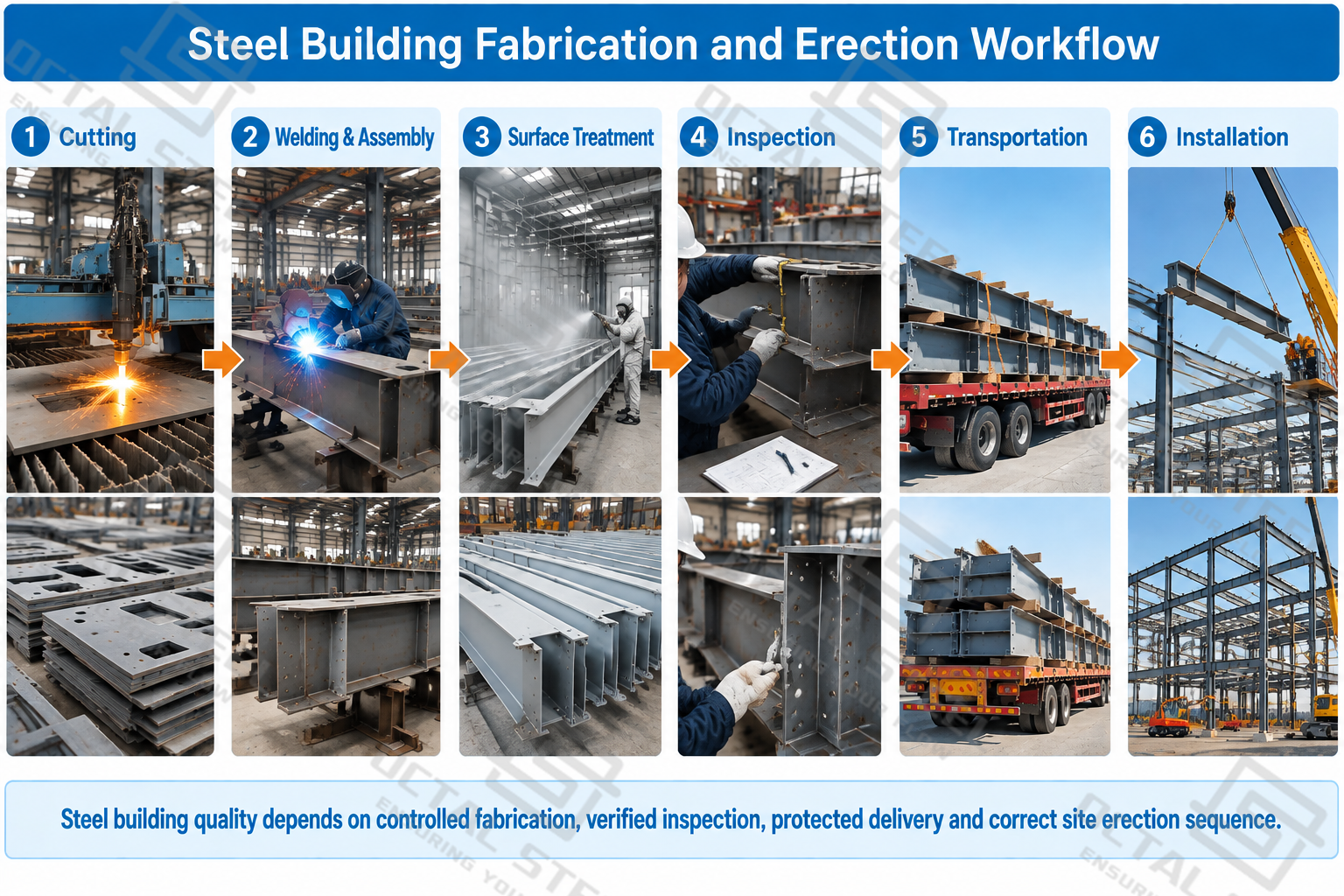
Steel building fabrication is the process of transforming structural steel materials into engineered components that can be assembled into a complete building framework. Based on approved drawings and project requirements, steel sections, plates and connection elements are cut, formed, machined, welded and prepared for site installation.
The fabrication process directly affects the accuracy, connection performance and installation efficiency of the final steel structure. Proper control of material selection, dimensional accuracy, welding quality and component identification ensures that fabricated members can be assembled according to the designed structural system and perform reliably during service.
Material Verification
Before fabrication begins, incoming steel materials are checked against project requirements to confirm the specified grade, dimensions and material traceability. This step ensures that the correct steel materials are used for fabrication and provides reliable documentation throughout the manufacturing process.
Cutting and Profiling
Steel cutting and profiling is performed according to approved fabrication drawings to produce structural members with the required dimensions, shapes and connection interfaces. The accuracy of this stage directly affects later assembly operations, as incorrect cutting geometry can lead to alignment issues, welding difficulties and installation adjustments.
Common cutting methods used in steel fabrication include:
| Process | Application |
|---|---|
| Plasma Cutting | Cutting steel plates and complex profiles with high dimensional flexibility |
| Flame Cutting | Processing thicker steel sections where high cutting capacity is required |
| Saw Cutting | Producing straight and accurate cuts for beams, columns and structural sections |
| CNC Profiling | Creating precise geometries based on digital fabrication drawings |
Accurate cutting and profiling establish the dimensional foundation for steel fabrication by ensuring that individual members can be properly fitted, connected and assembled according to the designed structural system.
Drilling and Machining
Many steel building structures rely on bolted or welded connections, which require accurately prepared holes and connection surfaces to ensure proper assembly. Drilling and machining operations are performed according to fabrication drawings to create precise connection details and prepare individual members for later assembly.
Typical machining operations include bolt hole drilling → slot processing → edge preparation → connection plate fabrication. Each operation contributes to the accuracy of member alignment and the reliability of load transfer through structural connections.
The precision of drilling and machining directly affects field erection efficiency, as inaccurate hole positions or connection interfaces may lead to installation adjustments, reduced assembly efficiency and additional site work.
Welding and Structural Assembly
Welding is a critical stage in steelwork fabrication, where individual steel members are joined into integrated structural assemblies according to the designed structural system. The process forms permanent connections between sections, plates and fabricated components to achieve the required strength, stability and dimensional accuracy of the final structure.
Welding quality is controlled through the selection of suitable welding procedures, joint preparation, heat management and inspection methods. Proper control of these factors helps maintain connection performance, minimize deformation and ensure that fabricated components can be accurately assembled during later installation.
| Welding Control Factor | Engineering Importance |
|---|---|
| Welding Procedure | Defines suitable welding parameters according to material grade, thickness and joint configuration. |
| Welder Qualification | Ensures welding operations are performed according to required procedures and quality standards. |
| Joint Preparation | Provides proper fit-up conditions and improves weld quality and structural performance. |
| Heat Control | Controls distortion and maintains dimensional accuracy during welding. |
| Inspection Method | Verifies weld integrity and confirms compliance with project requirements. |
After welding, fabricated assemblies undergo dimensional and alignment checks to confirm that member geometry, connection positions and assembly tolerances meet the fabrication requirements before shipment or site erection.
Surface Preparation and Coating
Steel surface treatment is performed after fabrication to prepare steel members for their service environment. The treatment process removes surface contaminants, improves coating adhesion and provides the required protection level based on exposure conditions such as moisture, chemicals and outdoor weathering.
Common surface protection methods include:
| Surface Treatment | Purpose |
|---|---|
| Abrasive Blasting | Removes rust, scale and contaminants before coating. |
| Primer Coating | Provides corrosion protection and improves coating adhesion. |
| Paint Systems | Protect steel surfaces in different service environments. |
| Specialized Coatings | Used for higher corrosion resistance requirements. |
After surface treatment, fabricated steel components are ready for delivery or site erection. The selected protection system should match the expected operating conditions and maintenance requirements of the project.
How Are Steel Buildings Connected and Installed?
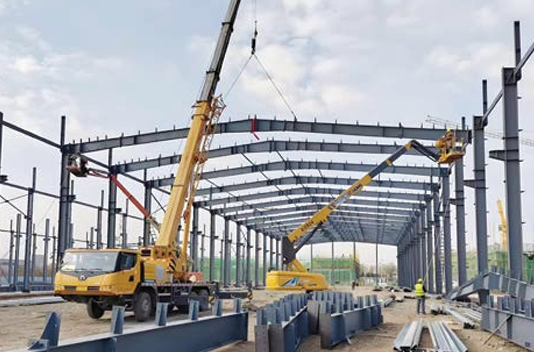
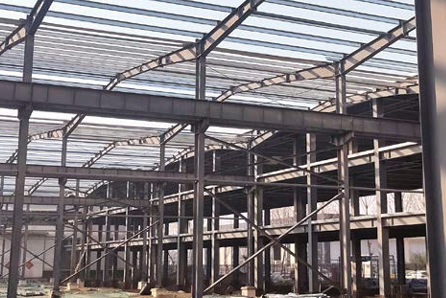
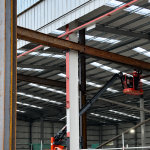
After fabrication, steel building construction enters the erection stage, where individual structural members are assembled into a complete load-bearing system. The main objective of this stage is to accurately establish the designed structural arrangement and ensure that forces can be transferred correctly between columns, beams, bracing systems and other components.
The erection process requires controlled positioning of fabricated members, proper connection installation and verification of structural alignment. Member location, connection accuracy and assembly sequence directly influence the final geometry, load transfer path and installation efficiency of the steel building.
Connections are the key interfaces that integrate separate steel members into one structural system. Depending on project requirements and fabrication conditions, steel buildings commonly use welded connections, bolted connections or combined connection solutions to achieve the required strength, stiffness and construction practicality.
Steel Building Connection Methods
Connections are the interfaces that transfer forces between individual steel members and allow separate components to function as a complete structural system. The selection of a connection method depends on structural requirements, fabrication conditions and erection constraints, including load transfer demands, site accessibility and required installation accuracy.
The following table summarizes common steel building connection methods and their typical engineering applications.
| Connection Type | Main Characteristics | Engineering Considerations | Typical Applications |
|---|---|---|---|
| Welded Connections | Permanent joints formed by welding steel members together. | Require controlled welding procedures, joint preparation and quality inspection, mainly suitable for shop fabrication. | Built-up beams, box columns, fabricated frames and complex structural assemblies. |
| High-Strength Bolted Connections | Mechanical connections using high-strength bolts to transfer forces between members. | Require accurate hole positioning, bolt grade selection and proper tightening control during erection. | Steel frame erection, beam-to-column connections and structural member splicing. |
| Moment Connections | Rigid connections designed to transfer bending moments and maintain frame stiffness. | Require detailed connection design, fabrication accuracy and control of rotational behavior. | Portal frames, rigid frames and structures requiring higher lateral resistance. |
| Simple or Pinned Connections | Connections primarily designed to transfer shear forces while allowing controlled rotation. | Focus on connection detailing, alignment and efficient site assembly. | Secondary beams, platforms and support structures. |
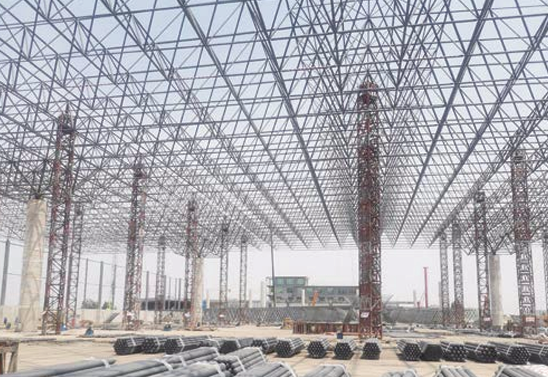
| Project-Specific Connections | Customized connection solutions developed for special structural requirements. | Require coordination between structural design, fabrication methods and erection sequence. | Large industrial facilities, space frames and complex steel structures. |
After selecting the appropriate connection method, fabrication and erection requirements must also be considered. Welded connections are commonly used for shop-fabricated assemblies, built-up members and complex structural components where controlled manufacturing conditions allow accurate joint preparation and welding quality control. Bolted connections are widely applied during site erection because they simplify assembly, adjustment and inspection, especially for beam-to-column connections and structural member splicing.
For large or specialized steel structures, connection design may also involve moment-resisting systems or customized connection details. These solutions require careful consideration of load transfer behavior, member alignment and construction sequence to ensure that the assembled structure performs as intended.
Steel Building Erection Process
Steel building erection transforms fabricated components into a completed structure through a controlled sequence of foundation preparation, member installation, connection completion and inspection. The erection sequence must consider component weight, lifting conditions, structural stability during assembly and accessibility for connection work.
The following table summarizes the main installation stages and their engineering considerations.
| Installation Stage | Main Activities | Engineering Considerations |
|---|---|---|
| Foundation Preparation | Verify anchor bolts, foundation dimensions and reference points before erection. | Ensures column positions match the designed structural layout and prevents alignment issues during assembly. |
| Component Delivery and Inspection | Transport fabricated members to site and check dimensions, identification marks and required documentation. | Confirms components match fabrication drawings before installation. |
| Primary Frame Installation | Lift and position columns, beams and main structural members according to erection sequence. | Establishes the main load-bearing framework and requires temporary stability control during assembly. |
| Bracing and Secondary Member Installation | Install bracing systems, purlins, secondary beams and supporting components. | Maintains structural geometry and completes the supporting framework required for the final structure. |
| Connection Completion | Complete bolted connections and required field welding after member positioning. | Ensures proper force transfer between connected members and achieves the designed connection arrangement. |
| Alignment and Dimensional Inspection | Check member position, vertical alignment, connection conditions and overall geometry. | Verifies erection accuracy and confirms the completed structure meets project requirements. |
After erection is completed, final inspections are carried out to verify member alignment, connection conditions and overall structural dimensions. These checks confirm that the assembled steel building corresponds with the approved design and fabrication requirements before operation.
Download:Steel Building Erection Sequence and Quality Control Checklist
Common Types of Steel Buildings
Steel buildings are classified according to their structural arrangement, load requirements and intended operating conditions. Different building types use different combinations of steel frames, support systems and secondary components to achieve the required span, load capacity and functional layout.
The selection of a steel building system depends on factors including building purpose, internal space requirements, equipment loads, operating environment and future expansion needs. A structure designed for warehouse storage focuses on large clear spans and flexible internal layouts, while industrial facilities may require additional support systems for equipment, piping and maintenance access.
The following table summarizes common steel building types, their structural characteristics and typical applications.
| Steel Building Type | Structural Characteristics | Engineering Considerations | Typical Applications |
|---|---|---|---|
| Portal Frame Steel Buildings | Use rigid columns and rafters to form a stable single-storey frame system with large internal clear space. | Suitable for projects requiring wide spans, limited internal columns and efficient structural layouts. Design focuses on frame geometry, load distribution and connection performance. | Warehouses, workshops, manufacturing facilities and logistics buildings. |
| Multi-Storey Steel Buildings | Consist of multiple levels supported by steel columns, beams and floor systems to transfer vertical loads between floors. | Require accurate column alignment, floor load distribution and coordination between structural members and building functions. | Commercial buildings, industrial offices, multi-level facilities and equipment buildings. |
| Heavy Industrial Steel Buildings | Use reinforced structural systems designed to support high operational loads, equipment loads and specialized industrial requirements. | Require consideration of cranes, heavy machinery, vibration effects, additional support structures and customized connection details. | Manufacturing plants, processing facilities, heavy equipment areas and industrial production buildings. |
| Energy and Infrastructure Steel Buildings | Combine steel frames with platforms, pipe supports, access systems and auxiliary structures for specialized operating environments. | Require consideration of equipment arrangement, corrosion exposure, maintenance access and long-term operation requirements. | Oil & gas facilities, power plants, transportation infrastructure and industrial utility projects. |
Steel building types are selected based on the relationship between structural performance and project requirements. Large-span buildings typically prioritize open space and efficient framing systems, while industrial and infrastructure projects require more customized structural arrangements to accommodate equipment, operational loads and maintenance requirements.
Factors Affecting Steel Building Construction Quality
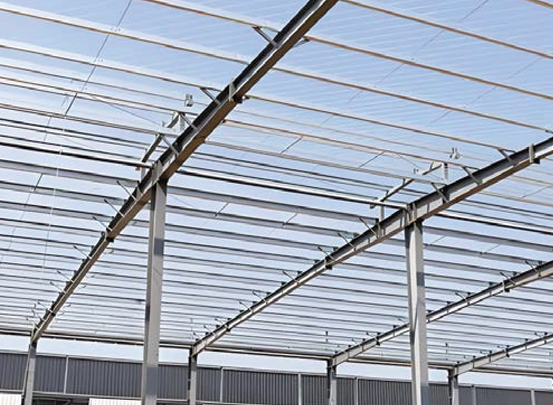
The quality of a steel building depends on the interaction between material control, fabrication accuracy, connection performance and installation practices. Since steel structures are assembled from individually manufactured components, the accuracy and control of each stage directly influence the final structural condition.
Construction quality is determined not only by the strength of steel members but also by the consistency between design requirements, manufacturing processes and site assembly. Key factors affecting the completed structure include material verification, fabrication precision, connection control, installation accuracy and quality documentation.
| Quality Factor | Main Considerations | Influence on Steel Building Quality |
|---|---|---|
| Material Quality and Traceability | Steel grade, mechanical properties, chemical composition and material identification records must meet project requirements. | Provides the required material performance and ensures components can be verified throughout fabrication and installation. |
| Fabrication Accuracy | Cutting, drilling, welding, machining and dimensional control must follow approved fabrication drawings and procedures. | Directly affects component fit-up, connection accuracy and efficiency during site erection. |
| Connection Quality | Welded joints, bolted connections and connection details require proper design, fabrication control and inspection. | Determines how effectively forces are transferred between structural members and affects overall structural performance. |
| Installation Control | Includes foundation coordination, member alignment, erection sequence and temporary stability measures. | Influences structural geometry, assembly accuracy and the final condition of the completed building. |
| Inspection and Documentation | Quality records, inspection reports and construction documentation provide verification of materials, fabrication and installation activities. | Supports project acceptance and provides traceable evidence of compliance with design and specification requirements. |
Effective quality control requires coordination between design, fabrication and installation activities. Each stage must be controlled according to project specifications to achieve accurate assembly and long-term structural performance.
A reliable steel building solution requires coordination between structural design, fabrication capability and project execution. Octal Steel supports industrial and commercial steel structure projects by providing fabricated steel components, structural steel products and customized solutions based on project specifications. From material selection and manufacturing control to inspection documentation, each stage is managed to support accurate fabrication and efficient project delivery.
FAQ
Q:How do steel building components affect the final structure performance?
A:Steel building components work together as an integrated structural system. Columns, beams, bracing members, secondary components and connection assemblies each have specific roles in transferring vertical and lateral loads through the completed structure.
Q:What factors determine the quality of a steel building construction project?
A:Steel building quality depends on the coordination of material control, fabrication accuracy, connection performance and installation procedures. Key factors include verified steel materials, precise component manufacturing, properly designed connections and controlled site erection according to approved drawings.
Q:What information should be confirmed before starting steel building fabrication?
A:Before fabrication begins, approved structural drawings, material specifications, connection details, fabrication requirements and inspection requirements should be confirmed. Clear project information helps avoid dimensional errors, connection issues and delays during installation.
Q:Why is fabrication accuracy important in steel building construction?
A:Fabrication accuracy directly affects component fit-up, connection alignment and erection efficiency. Precise cutting, drilling, welding and dimensional control reduce site modification work and help ensure fabricated members can be assembled according to the structural design.


Tags:steel platesteel plate manufacturer
Related Products
Related Resources

Recent Faqs
Rencent Articles
Hot Topic
Custom Posts

Octal is located in China recognized as a leading supplier, distributor, and manufacturer union in providing piping solutions for oil and gas company. Product ranges in Steel Pipe, Casing and Tubing, Steel Plate, Sucker Rod, Steel Pipe Fittings, Valves, and Equipment for pipelines.
Contact Info
Unit 2544, 25/F, Tower A, Wanda Plaza, Wenfeng District, Anyang, Henan, China & Building A, No.18 Dirun Road, Zhengdong New District, Zhengzhou, Henan, China
+86 372 2157660 / +86 186 3727 1277
[email protected]