Your Responsible Supplier Partner for Oil and Gas Products.

Storage Tank
Recent Products
Rencent Articles

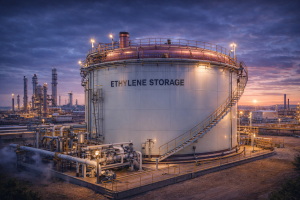
Ethylene Tank
An ethylene tank is a low-temperature storage vessel designed to hold liquid ethylene under controlled pressure and insulation conditions. Because ethylene is stored in cryogenic or refrigerated service, tank selection is usually driven by storage capacity, design pressure, boil-off control, insulation performance, material suitability, and the required document package for inspection and project approval. At […]
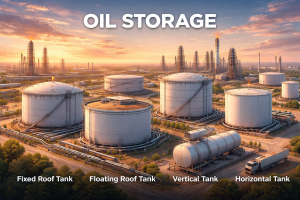
Oil Storage Tank
What Is Oil Storage Tank Oil storage Tank is used to keep crude oil, fuel oil, and refined petroleum products available for stable supply, plant operation, terminal handling, and reserve capacity. In practical projects, oil storage is not only about holding volume. It also affects loading and unloading rhythm, turnover planning, fire safety, vapor control, […]
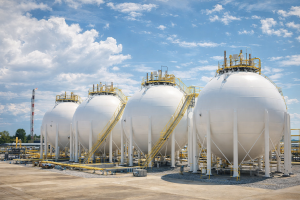
Natural Gas Tank
What Is Natural Gas tank Natural gas tank is used to balance the difference between steady gas supply and changing gas demand. In real energy systems, gas consumption does not remain constant. It changes by season, by day, and sometimes by short-term industrial or power market demand. Storage allows gas to be injected when demand is […]
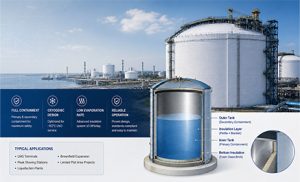
LNG Tank
An LNG tank is used for cryogenic LNG storage projects where the owner needs secondary liquid containment, vapor-tight protection, controlled boil-off gas, and a clear site-erected tank supply scope. It is commonly selected for LNG peak shaving stations, liquefaction plants, receiving terminals, industrial fuel storage sites, and brownfield LNG station expansion projects where plot space, […]
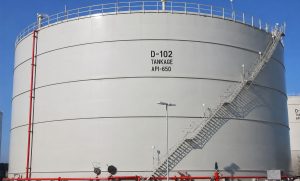
API 650 Tanks
API 650 tanks are vertical, cylindrical, aboveground welded tanks built with a fully supported bottom for the storage of crude oil, refined fuels, water, wastewater and other non-refrigerated liquids. The tank is assembled as a complete structure consisting of the bottom, shell courses, roof, nozzles, manways, reinforcement plates, wind girders, access systems and operating accessories. […]
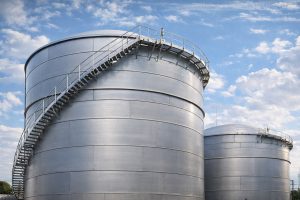
API 620 Tank
What Are API 620 Tank API 620 tank are large, field-erected, welded aboveground tanks designed for low-pressure storage service. They are typically used when the storage duty goes beyond ordinary atmospheric tank conditions but is still handled as a tank design route rather than a conventional pressure-vessel application. In practical projects, API 620 is usually considered […]

Octal is located in China recognized as a leading supplier, distributor, and manufacturer union in providing piping solutions for oil and gas company. Product ranges in Steel Pipe, Casing and Tubing, Steel Plate, Sucker Rod, Steel Pipe Fittings, Valves, and Equipment for pipelines.
Contact Info
Unit 2544, 25/F, Tower A, Wanda Plaza, Wenfeng District, Anyang, Henan, China & Building A, No.18 Dirun Road, Zhengdong New District, Zhengzhou, Henan, China
+86 372 2157660 / +86 186 3727 1277
[email protected]