Your Responsible Supplier Partner for Oil and Gas Products.

TP310S Pipe to South Africa
Recent Projects

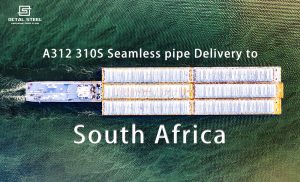


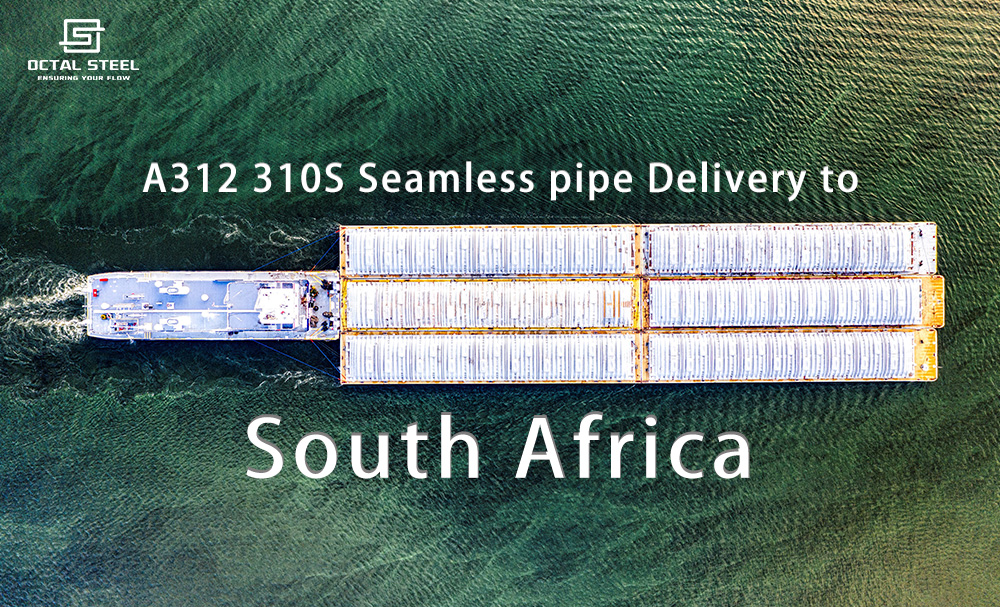
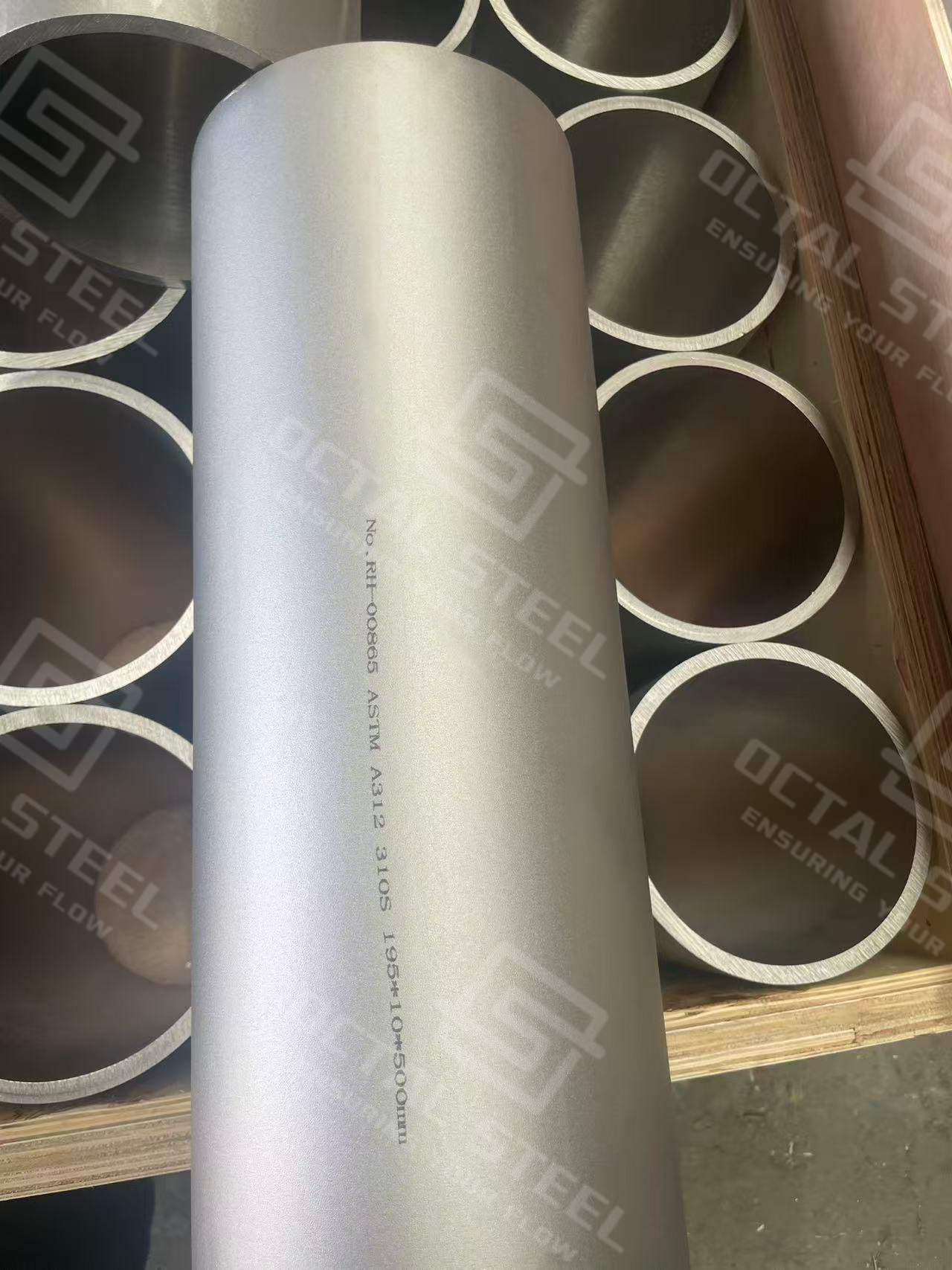
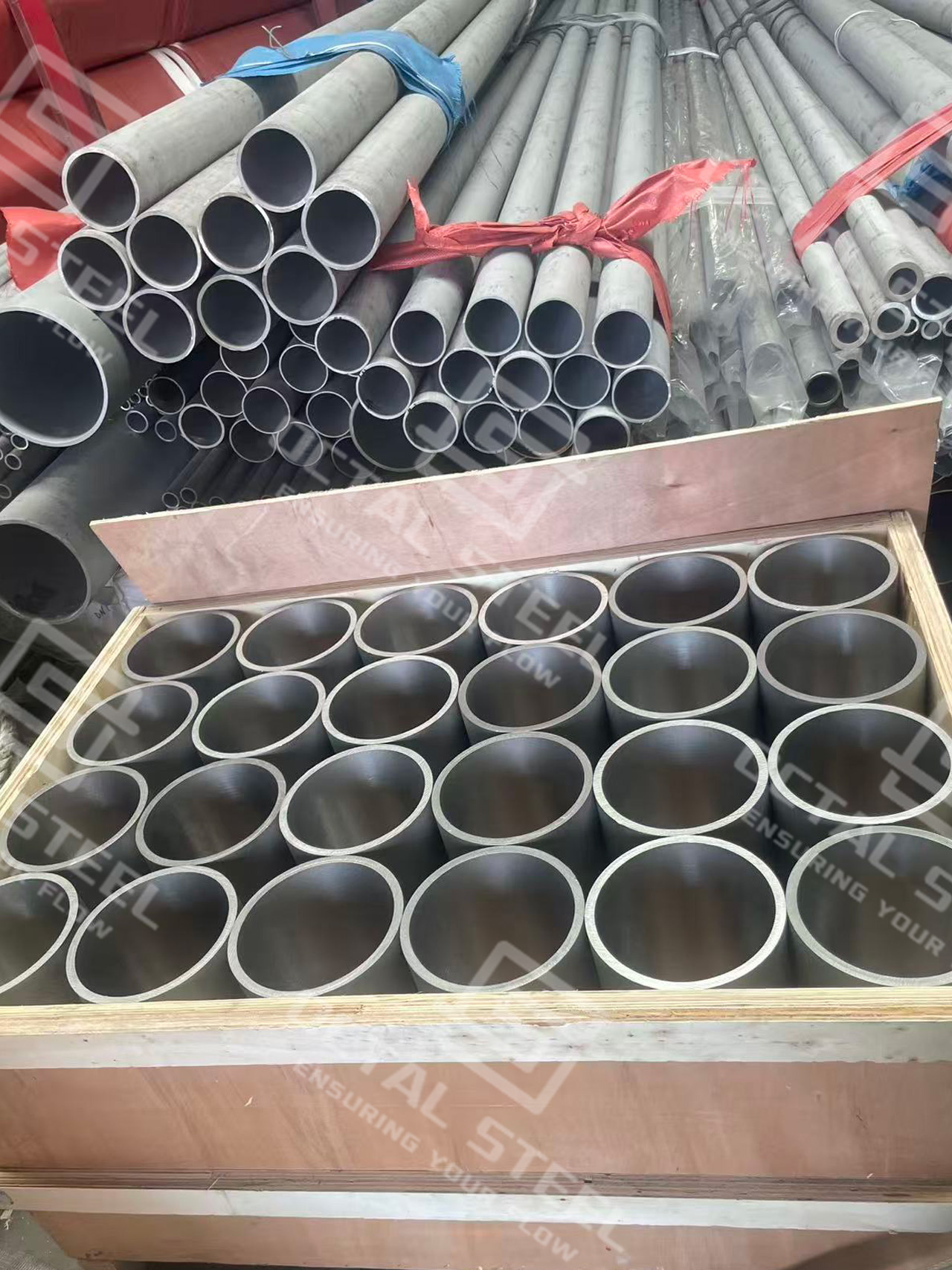
Octal Steel prepared a shipment of ASTM A312 TP310S seamless pipe for delivery to Durban Port, South Africa. The order required pipe from available stock, with an outside diameter of 195 mm and a wall thickness of 10 mm.
The main requirement was not only material availability. The supplied 195 mm OD TP310S seamless pipes were selected from available stock with a 10 mm wall thickness, allowing the order to move directly into specification review, packing preparation, and export scheduling. For stock orders, this verification is important because material may be available quickly, but grade identification, heat traceability and actual dimensions still need to be checked against the purchase requirement.
Shipment Details
| Item | Order Information |
|---|---|
| Product | Stainless Steel Seamless Pipe |
| Standard | ASTM A312 |
| Grade | TP310S |
| Outside Diameter | 195 mm |
| Wall Thickness | 10 mm |
| Supply Requirement | Spot Goods |
| Destination | Durban Port, South Africa |
| Delivery Route | Export Shipment by Sea |
The ordered size was 195 mm × 10 mm TP310S seamless pipe, supplied from available stock for export delivery to South Africa.
ASTM A312 TP310S Seamless Pipe
ASTM A312 covers seamless, welded and heavily cold-worked austenitic stainless steel pipe intended for high-temperature and general corrosive service. The standard includes dimensional, chemical, mechanical, heat-treatment and testing requirements for the applicable pipe grade and manufacturing route.
TP310S, also identified as UNS S31008, is an austenitic chromium-nickel stainless steel developed for elevated-temperature service. The grade contains relatively high chromium and nickel levels and is recognized for resistance to oxidation and other forms of high-temperature corrosion. Industry material data describes 310S as a 25/20-type stainless steel with good resistance to oxidation, carburization and sulfidation under suitable service conditions.
The operating limit of a 310S pipe cannot be selected from grade name alone. Actual suitability depends on the process atmosphere, pressure, mechanical stress, temperature cycling, fabrication method and applicable design code. Material suppliers report maximum service temperatures in air around 1100°C, but that reference should not be treated as the allowable design temperature for every piping system.
Why TP310S Was Suitable for This Order
The grade is commonly considered where standard austenitic stainless steels may not provide enough oxidation resistance at elevated temperature. The high chromium content supports formation of a protective oxide layer, while the nickel content helps maintain the austenitic structure and material stability.
For piping orders, the practical advantages of TP310S include:
- Resistance to oxidation in elevated-temperature environments
- Austenitic structure with good fabrication characteristics
- Suitability for seamless pipe production under ASTM A312
- Use in furnace, thermal-processing and high-temperature piping systems
- Better high-temperature corrosion performance than common 304-series stainless steels in many service environments
The final material choice should still be based on the actual atmosphere. Oxidizing air, combustion gas, carburizing conditions, sulfur-bearing gas and thermal cycling do not affect stainless steel in the same way.
Spot Goods Release and Shipment Preparation
The key requirement for this order was spot goods, so the shipment had to be prepared from available stock rather than waiting for a new production cycle. After the required ASTM A312 TP310S seamless pipes were located, the stock was checked for grade, seamless construction, actual dimensions, surface condition and heat-number traceability before allocation to the order.
The selected pipes were then separated from general warehouse stock and matched with the available material certificates. Pipe markings, heat numbers, quantity and packing-list information were reviewed again before bundling and loading. This step was important because a stock item may be available immediately, but it still has to match the ordered specification and document package.
Using spot goods shortened the delivery schedule for the shipment to Durban Port, while the release process kept the physical pipes, material certificates and packing records consistent for receiving inspection in South Africa.
Dimensional, Surface and Material Verification
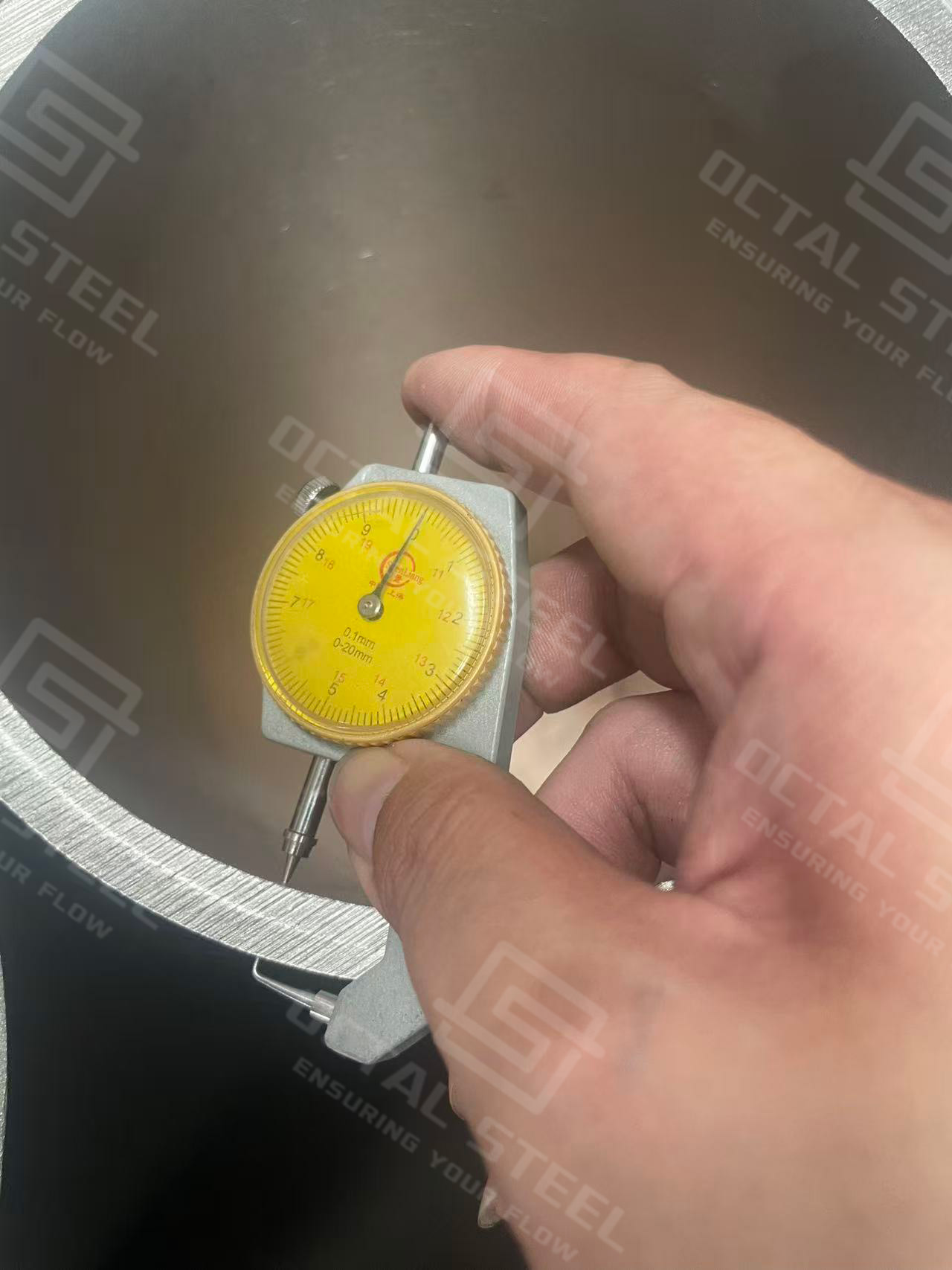
Before the ASTM A312 TP310S seamless pipe shipment was released, the selected stock pipes were checked for dimensional consistency, surface condition, material identification, and heat-number traceability.
The main inspection points included:
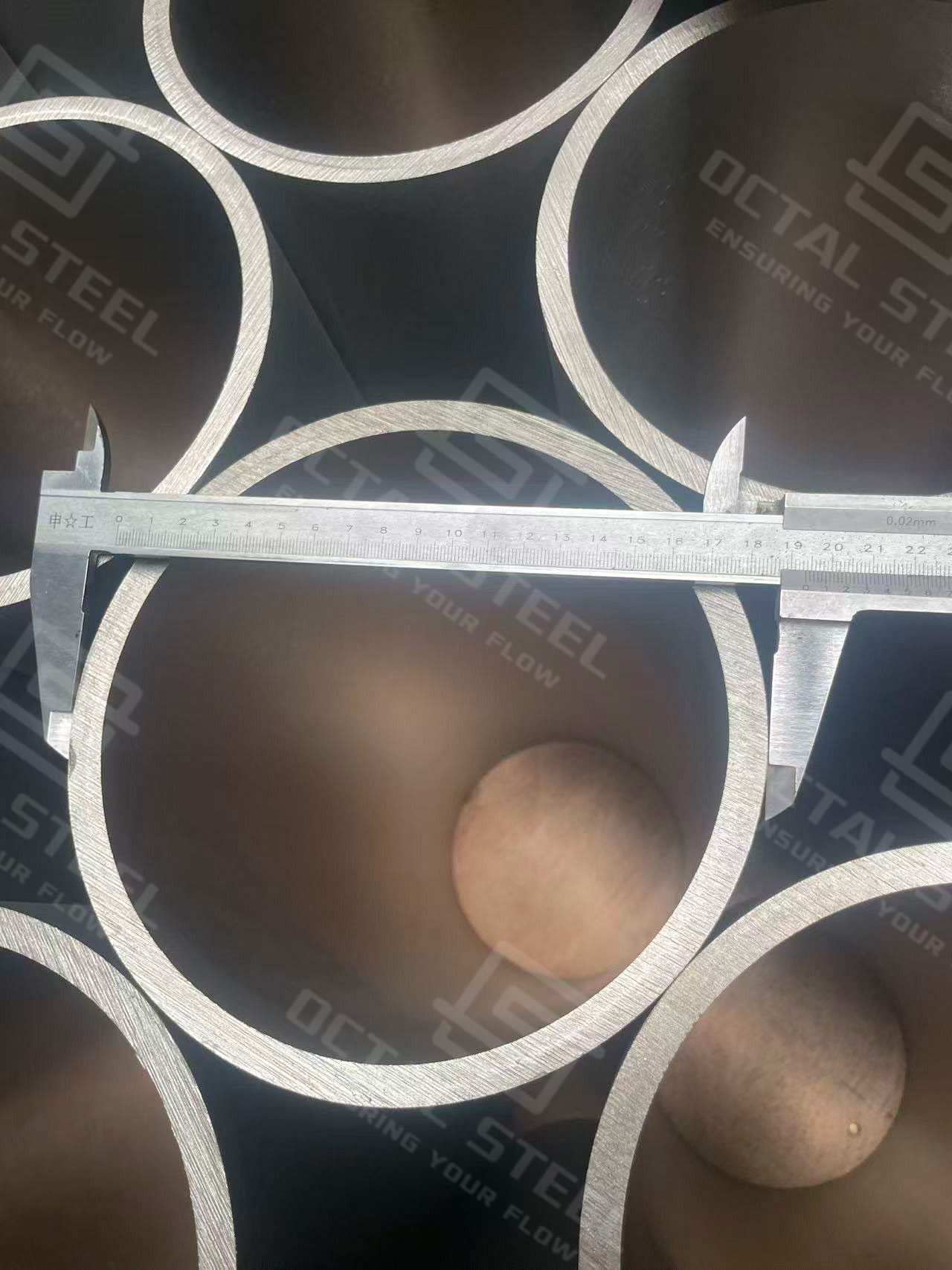
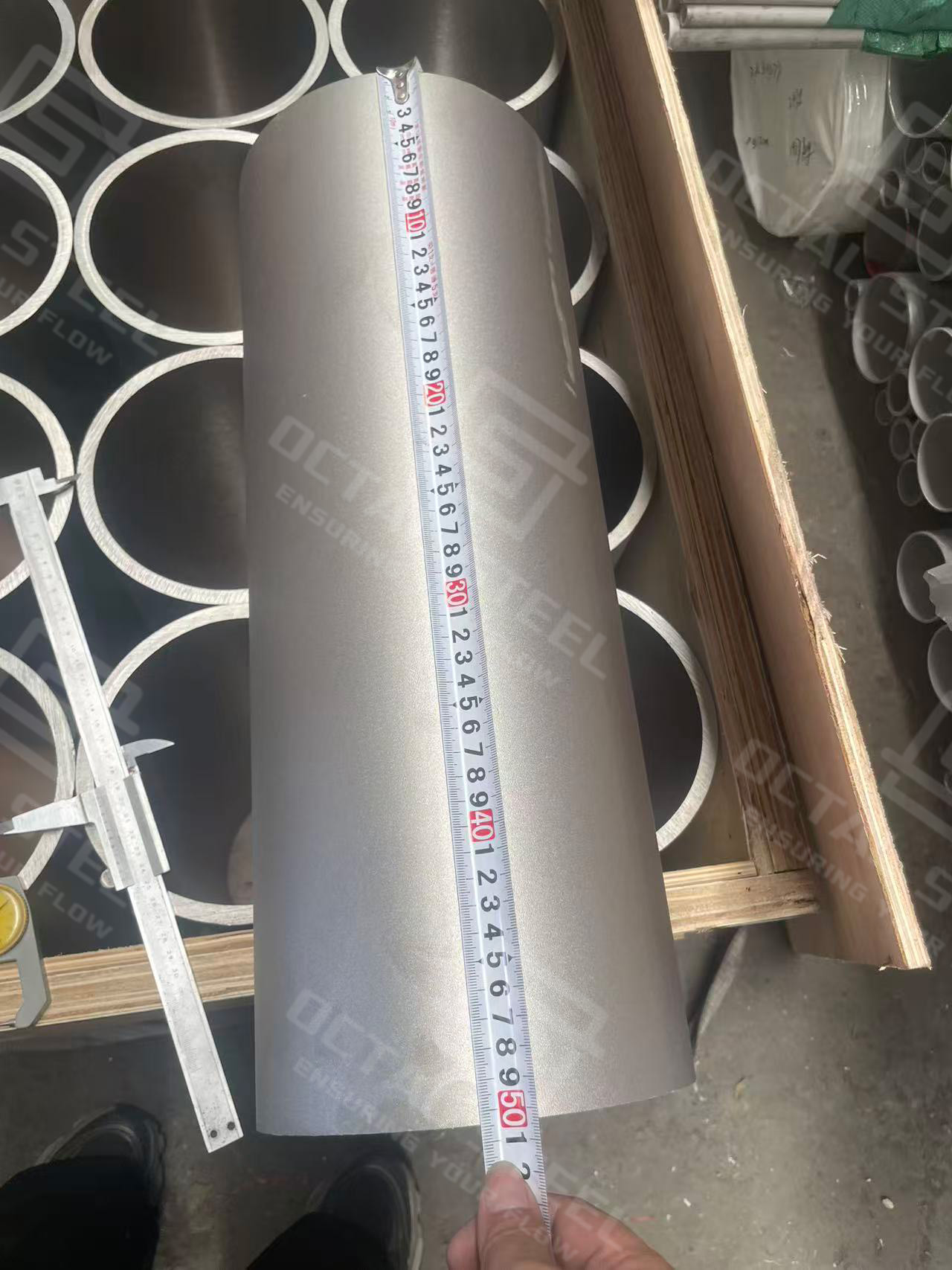
Outside diameter and wall thickness
The actual dimensions were checked against the ordered 195 mm outside diameter stainless steel pipe requirement and the specified 10 mm wall thickness. Wall thickness was reviewed at several circumferential positions rather than relying on a single reading.
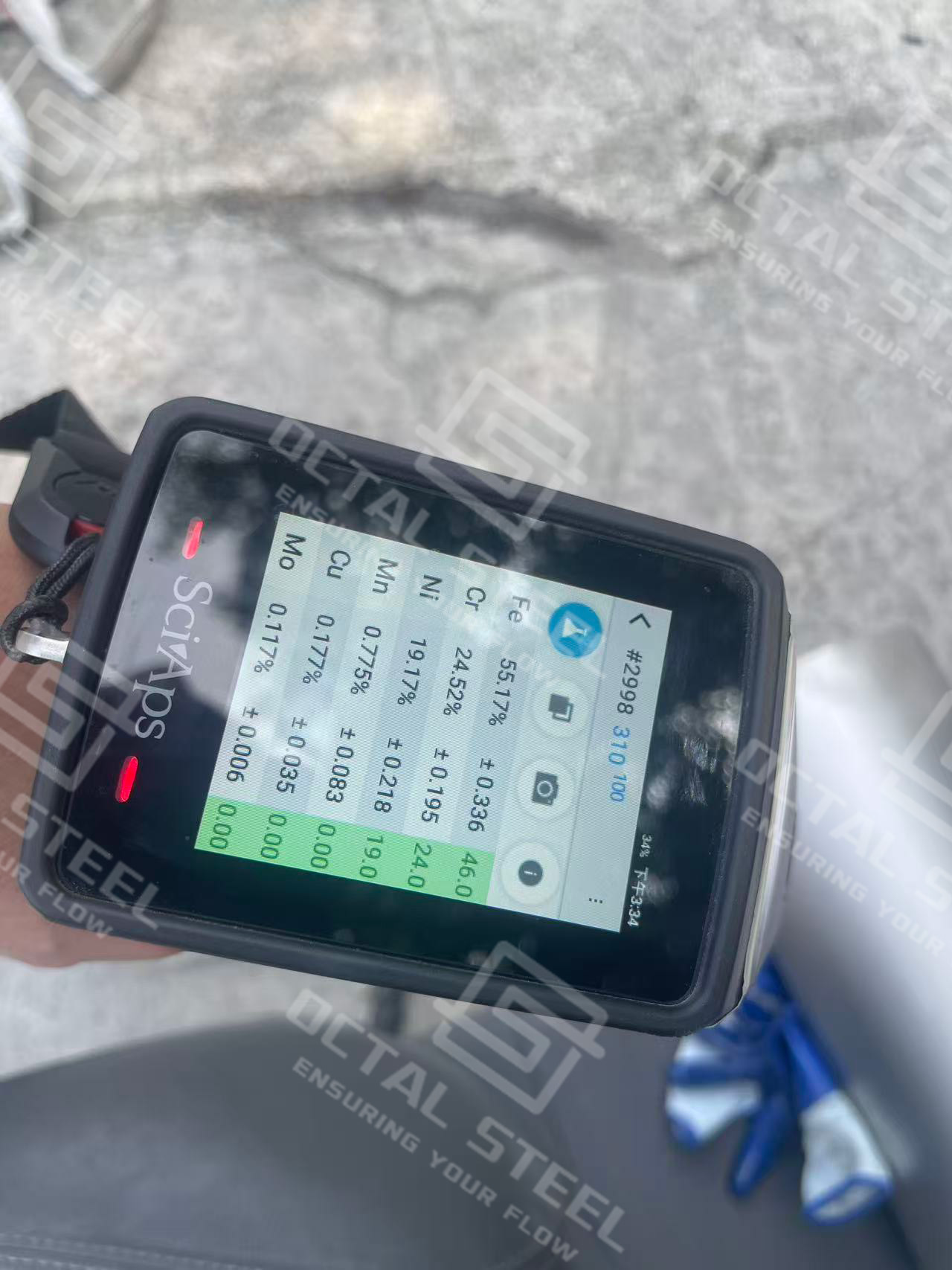
Handheld XRF PMI testing
A handheld XRF analyzer was used for Positive Material Identification (PMI). The test verified the main alloying elements, including chromium and nickel, and confirmed that the material composition was consistent with the 310 stainless steel family. Because handheld XRF does not accurately measure carbon content, the final TP310S grade was confirmed together with the heat number and material test certificate.
Straightness and pipe ends
The pipes were visually checked for bending, end deformation, impact marks, and other handling damage that could affect cutting, beveling, or field fit-up.
Internal and external surfaces
The surfaces were reviewed for deep scratches, dents, scale, contamination, and visible defects that could affect fabrication or receiving inspection.
Material marking
The standard, grade, size, and heat identification were checked for legibility and consistency with the supporting material documents.
Traceability
The heat number on the pipe marking was matched with the MTC, inspection records, and packing documents before shipment.
These checks were especially important for a spot goods order. Available stock shortened the delivery schedule, but the material still had to pass dimensional, visual, alloy verification, and traceability checks before release to Durban Port.
Packing for Delivery to Durban Port
The pipes were prepared for export delivery to Durban Port. Sea transport exposes stainless steel pipes to repeated handling, storage humidity and possible contact with carbon-steel lifting or securing equipment, so packing and handling need to protect both the pipe surface and identification marks.
Important shipment controls include:
- Secure bundling to prevent movement during transport
- Protection of pipe ends from impact damage
- Separation from contaminated or wet carbon-steel surfaces where practical
- Clear bundle marking for grade, size and quantity
- Packing-list consistency with the physical cargo
- Retention of heat-number identification during loading and unloading
For stainless steel, packing should not create a corrosion or contamination problem that did not exist when the pipe left the warehouse.
Stock Supply and Export Coordination


Tags:310S stainless steel seamless pipeASTM A312 TP310S seamless pipeSeamless pipeStainless Steel PipeTP310S pipe

Octal is located in China recognized as a leading supplier, distributor, and manufacturer union in providing piping solutions for oil and gas company. Product ranges in Steel Pipe, Casing and Tubing, Steel Plate, Sucker Rod, Steel Pipe Fittings, Valves, and Equipment for pipelines.
Contact Info
Unit 2544, 25/F, Tower A, Wanda Plaza, Wenfeng District, Anyang, Henan, China & Building A, No.18 Dirun Road, Zhengdong New District, Zhengzhou, Henan, China
+86 372 2157660 / +86 186 3727 1277
[email protected]