Your Responsible Supplier Partner for Oil and Gas Products.

CRA Clad and Lined pipe
Recent Products
Rencent Articles
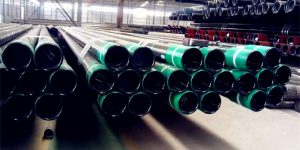

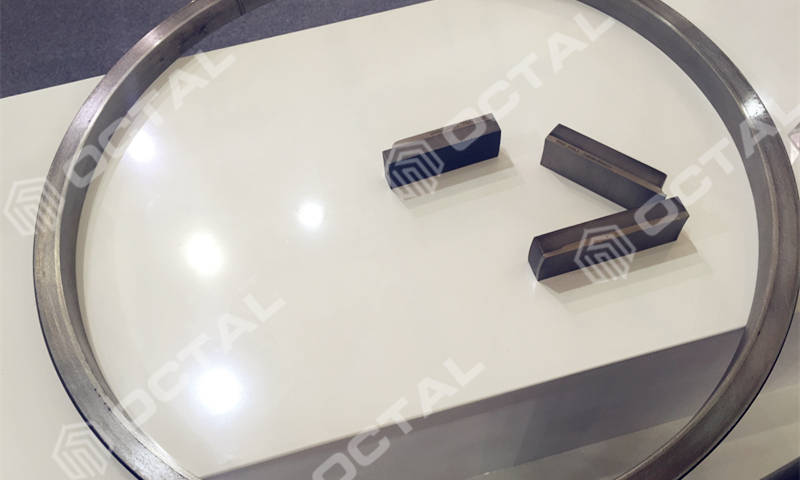
CRA Clad and Lined pipe
CRA cladding or lining material options in:
Stainless material in 304, 304L, 316, 316L, 310S, 317L, 321
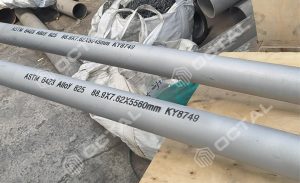
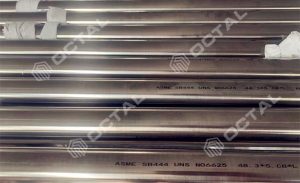
Alloy Steel Material in Incoloy Alloy 825 (UNS N08825) , Inconel Alloy 625 (UNS N06625), S31803, S31254
Hastelloy Material C276, (B575 N10276), C22, etc.
External with bonding with Carbon Steel Pipe in API 5L B to X80, or ASTM A106 B, ASTM A333 Grade 6 etc.
CRA clad and lined pipes combine a carbon-steel load-bearing pipe with an internal corrosion-resistant alloy layer for pipelines exposed to CO₂, H₂S, chlorides and other corrosive fluids. CRA clad pipe uses an alloy layer metallurgically bonded to the backing steel, while CRA lined pipe uses a separate alloy liner mechanically fitted inside the pipe. Both constructions reduce the amount of solid CRA required while retaining the pressure-bearing strength of carbon steel and the corrosion resistance needed at the wetted surface.
In this composite structure, the inner layer (CRA layer) is made from premium corrosion-resistant alloys such as stainless steel 316L, Inconel 625, or other nickel-based alloys, providing excellent protection against internal corrosion. The outer layer (base pipe) is fabricated from cost-effective carbon steel, typically conforming to API 5L, ASTM A106/A53, or ASTM A333 Grade 6 standards, ensuring high tensile strength and pressure-bearing capacity.
Together, the carbon-steel backing pipe and internal CRA layer form a composite pipe system that combines pressure-bearing strength with resistance to internal corrosion. CRA clad and lined pipes are commonly specified for offshore pipelines, sour-service systems and subsea flowlines exposed to CO₂, H₂S, chlorides and other corrosive production fluids.
Material Selection for CRA Clad and Lined Pipe
CRA material selection is based on the corrosive fluid rather than alloy price alone. CO₂, H₂S, chloride concentration, operating temperature, pressure, water content and expected service life should be reviewed together before selecting the internal alloy. The carbon-steel backing pipe is then specified separately to provide the required pressure capacity, toughness, forming performance and installation strength.
Common CRA options include 316L stainless steel, duplex and super duplex stainless steel, Alloy 625, Alloy 825 and C276. Final material selection should be confirmed against the project corrosion study, welding requirements and applicable sour-service specification.
| CRA Material | Main Selection Consideration | Typical Service Focus |
|---|---|---|
| 316L Stainless Steel | General resistance to wet corrosion and moderate chloride exposure. | Produced water, process fluids and less severe offshore service. |
| Duplex Stainless Steel | Higher strength and improved chloride resistance compared with austenitic stainless steel. | Chloride-bearing fluids and applications with higher mechanical loading. |
| Super Duplex Stainless Steel | Higher resistance to chloride pitting and stress-corrosion cracking. | Seawater and more severe chloride environments. |
| Alloy 825 | Resistance to reducing and oxidizing acids under project-defined conditions. | Sour and acidic production fluids. |
| Alloy 625 | High resistance to chlorides, sour fluids and localized corrosion. | Subsea flowlines, sour service and demanding weld-overlay applications. |
| Alloy C276 | Selected for highly aggressive mixed chemical environments. | Severe chemical and process-service conditions. |
Applicable Standards and Material Specifications
| Standard | Scope for CRA Clad and Lined Pipe |
|---|---|
| API 5LD | Primary product specification for seamless and welded CRA clad steel line pipe and lined steel line pipe. |
| API 5L | Common specification for the carbon-steel backing line pipe. |
| ASTM A263 | Specification for stainless chromium steel-clad plate used before pipe forming. |
| ASTM A264 | Specification for stainless chromium-nickel steel-clad plate used in CRA clad pipe production. |
| ASTM A265 | Specification for nickel and nickel-base alloy-clad steel plate. |
| ASTM or ASME CRA Material Standards | Define the selected stainless steel, duplex stainless steel or nickel-alloy cladding and liner material. |
| Project Specification | Defines CRA thickness, bond or liner condition, welding procedures, NDT scope, corrosion testing, pipe-end preparation and documentation requirements. |
The applicable specification must be confirmed by product route. API 5LD governs the finished clad or lined pipe, while ASTM A263, A264 and A265 may apply to the clad plate used before pipe forming. Separate ASTM, ASME or UNS requirements are then used to define the CRA alloy and carbon-steel backing material.
Clad and lined pipes are specialized types of pipes designed to enhance corrosion resistance and improve performance in various applications. Here’s a brief overview:
Clad Pipes:
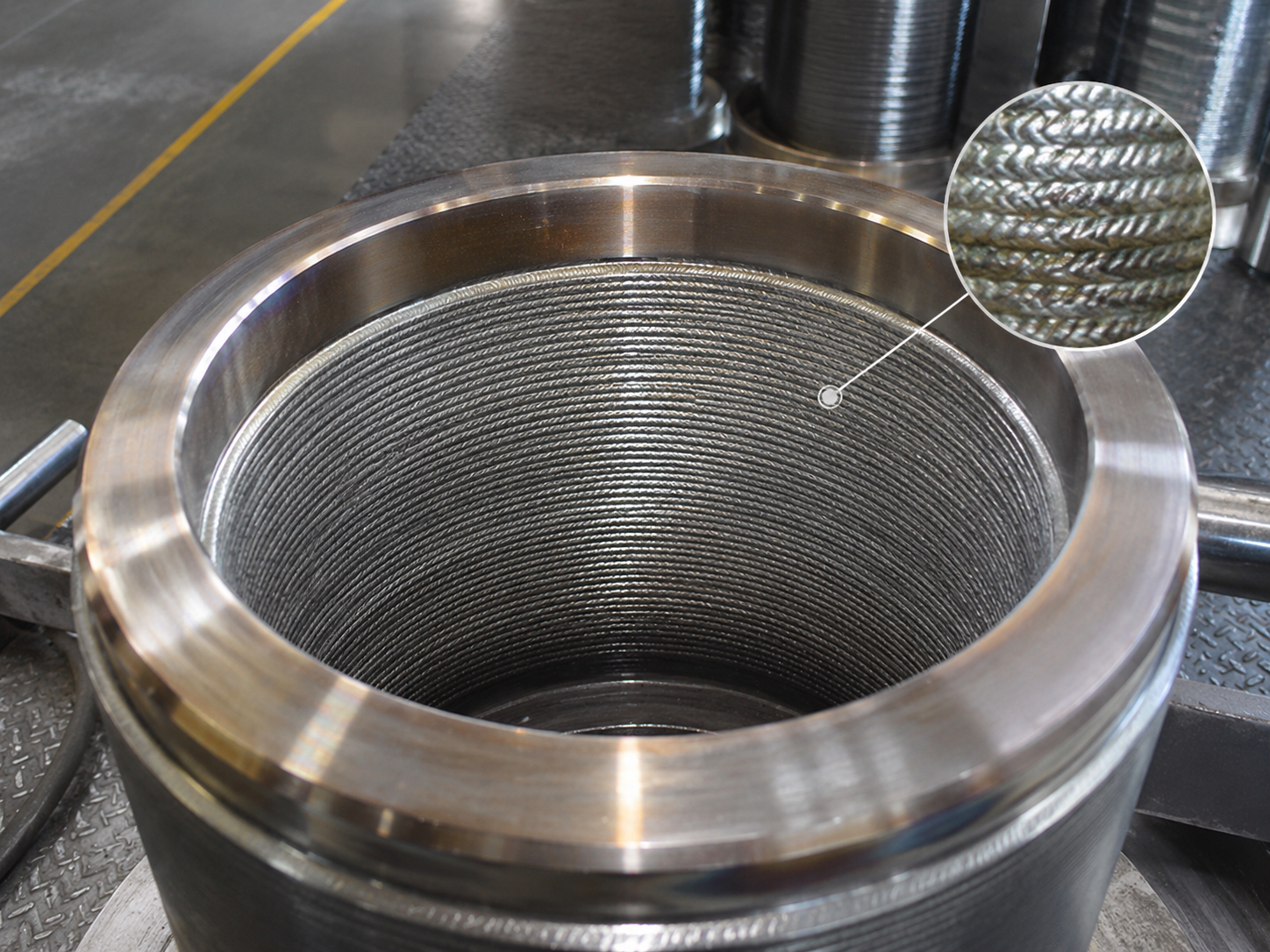
Clad pipes are composite pipes produced by metallurgically bonding a layer of corrosion-resistant alloy (CRA), such as stainless steel, Inconel, or Incoloy, to a carbon steel base pipe. This dual-layer structure combines the mechanical strength and pressure capacity of carbon steel with the superior corrosion resistance of the CRA layer.
Cladding can be achieved through several methods, including explosive bonding, weld overlay, or hot roll bonding, depending on project requirements and alloy selection. The resulting clad pipe provides long-term durability and reduced maintenance costs in demanding service conditions.
Applications:
Clad pipes are widely used in oil and gas production, subsea pipelines, refineries, chemical processing plants, and power generation facilities, where exposure to CO₂, H₂S, chlorides, and other corrosive media poses a significant risk to standard carbon steel pipelines.
They are particularly suitable for:
-
Offshore and subsea flowlines transporting corrosive fluids.
-
Sour service pipelines containing H₂S or acidic components.
-
Refinery and petrochemical piping systems requiring enhanced corrosion resistance.
-
High-pressure and high-temperature service environments (HPHT).
By combining strength, cost efficiency, and corrosion protection, CRA clad pipes deliver reliable performance and extended service life in aggressive operational conditions.
Clad Pipe Fittings:
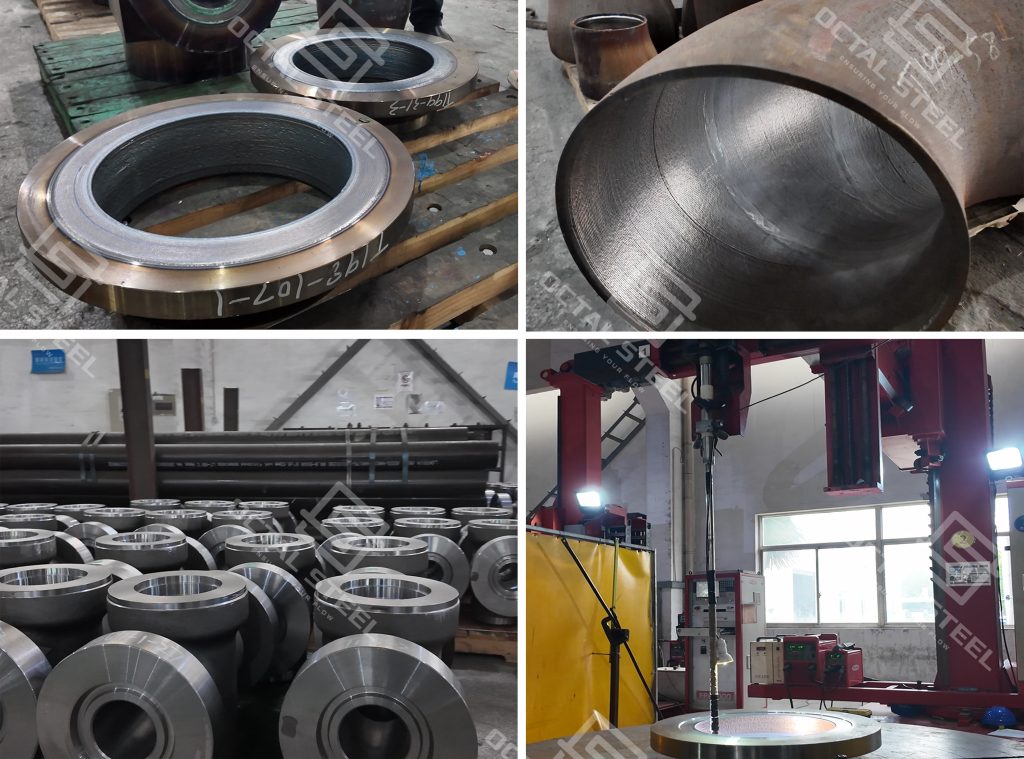
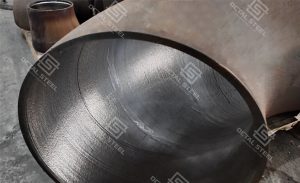
In addition to CRA clad and lined pipes, clad pipe fittings are essential components used to connect and integrate these corrosion-resistant pipelines into complete flowline systems. These fittings are designed and fabricated with the same corrosion-resistant alloy (CRA) layer and carbon steel base material combination, ensuring uniform performance and corrosion protection throughout the pipeline.
Common types of CRA clad fittings include:
-
Clad elbows (45° / 90° / 180°) – for directional changes in pipeline routing.
-
Clad tees and crosses – for branch connections and flow distribution.
-
Clad reducers (concentric and eccentric) – for transition between different diameters.
-
Clad caps and stub ends – for pipe closure or connection to flanged joints.
-
Clad flanges (weld neck, slip-on, blind, etc.) – for secure bolted connections with matching corrosion-resistant faces.
These fittings are manufactured according to ASTM A234 / ASME B16.9 standards for seamless or welded fittings, with CRA layers typically made of 316L, 317L, 904L, Inconel 625, Incoloy 825, or Duplex stainless steel. The cladding process may involve explosive bonding, weld overlay, or roll bonding, depending on project requirements.
CRA clad fittings are widely used in sour service, offshore production facilities, subsea flowlines, and refineries, where corrosion resistance and mechanical integrity are equally critical. Combined with Octal Steel’s CRA clad pipes, they provide a complete corrosion-resistant pipeline solution for high-pressure, high-temperature, and chemically aggressive service conditions.
Lined Pipes:
- Definition: Lined pipes have a protective lining (often made of materials like PTFE, rubber, or other polymers) applied to the inner surface of the pipe. This lining acts as a barrier against corrosive substances.
- Applications: Frequently used in applications involving the transport of aggressive chemicals, slurries, or other materials that could damage the pipe’s interior.
CRA Clad Pipe vs Mechanically Lined Pipe:
- Construction: Clad pipes have a bonded outer layer, while lined pipes have a separate inner lining.
- Purpose: Clad pipes are designed for structural integrity and corrosion resistance, while lined pipes focus primarily on protecting the inner surface from corrosive materials.
| Comparison Item | CRA Clad Pipe | Mechanically Lined Pipe |
|---|---|---|
| Composite Structure | Carbon-steel backing pipe with a CRA layer metallurgically bonded to the internal surface. | Carbon-steel backing pipe containing a separate CRA liner mechanically fitted against the internal wall. |
| Bond Between Metals | Continuous or project-defined metallurgical bonding connects the CRA layer to the backing steel. | The liner is retained by mechanical contact, interference fit and project-specific pipe-end termination rather than full metallurgical bonding. |
| Common Manufacturing Route | Clad plate may be formed into pipe and longitudinally welded. Depending on the product and project, metallurgical cladding may also be produced through roll bonding, explosion bonding or weld-overlay processes. | A fabricated CRA liner is inserted into the carbon-steel backing pipe and expanded hydraulically or mechanically until close contact is achieved. |
| Pressure-Bearing Function | The carbon-steel backing pipe provides the main pressure-bearing wall, while the bonded CRA layer protects the wetted surface from corrosion. | The carbon-steel pipe carries the principal pressure load, while the internal liner provides corrosion resistance and remains mechanically supported by the backing pipe. |
| Typical CRA Materials | 316L stainless steel, duplex or super duplex stainless steel, Alloy 625, Alloy 825, C276 and other project-specified alloys. | 316L stainless steel, Alloy 825, Alloy 625 and other CRA liner materials selected for the transported fluid and operating conditions. |
| Backing Pipe Materials | API 5L carbon-steel grades and other project-specified pressure-bearing steels compatible with the selected manufacturing route. | API 5L carbon-steel backing pipe or other specified steel with dimensions and mechanical properties suitable for liner insertion and expansion. |
| Forming and Bending | The metallurgical bond provides greater restraint between the CRA layer and backing steel during forming, bending and installation, subject to the approved procedure. | Bending, reeling and cyclic deformation require project qualification to verify that the liner will not wrinkle, separate locally or buckle. |
| Pipe-End Preparation | Pipe ends are machined to maintain the specified CRA thickness, bevel geometry and transition between the alloy layer and backing steel. | Pipe ends require a qualified termination detail, which may include seal welding, CRA overlay, end cladding or another approved liner-restraint arrangement. |
| Field Girth Welding | The welding procedure must restore both the carbon-steel structural joint and the corrosion-resistant internal surface while controlling dilution and weld chemistry. | Field welding must protect and reconnect the liner at the joint through the approved pipe-end and internal CRA weld arrangement. |
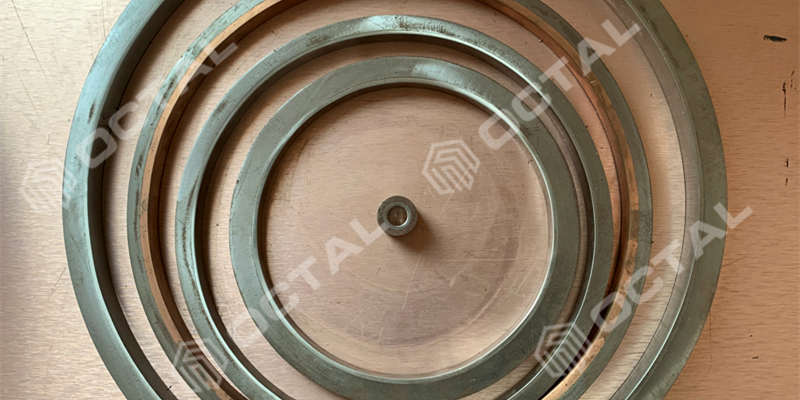
CRA clad pipe and lined pipe application
CRA clad and lined pipe generally used in petroleum industries for special working conditions like corrosion or severe temperature environment. For on shore and off shore pipeline systems, there are often contain the high S, H2S, and CO2 chemicals in the transportation fluids. When these values reached a certain content it will make a big corrosion to the pipelines in Carbon and Manganum steel material like API 5L pipes and ASTM A106 pipes. In this case, the CRA clad and lined pipe is applied for this.
CRA Clad Pipe vs CRA Lined Pipe: Structural and Corrosion Roles
CRA clad pipe uses a metallurgically bonded corrosion-resistant alloy layer that participates in load-bearing, making it suitable for higher pressure and temperature service. CRA lined pipe relies on a mechanically or hydraulically expanded liner that provides corrosion resistance while the carbon steel pipe carries the structural load. Selection between clad and lined pipe is driven by operating pressure, temperature cycling, corrosion severity, and welding requirements at site.
CRA Pipe Advantages
CRA material combined with carbon steel material, it is a great achievement for both the mechanical strength (Tensile and Yield strength), meanwhile to have the excellent corrosion resistance performances. No matter on the pipe personality or to save in economic purposes, clad and lined pipe is a perfect choice.
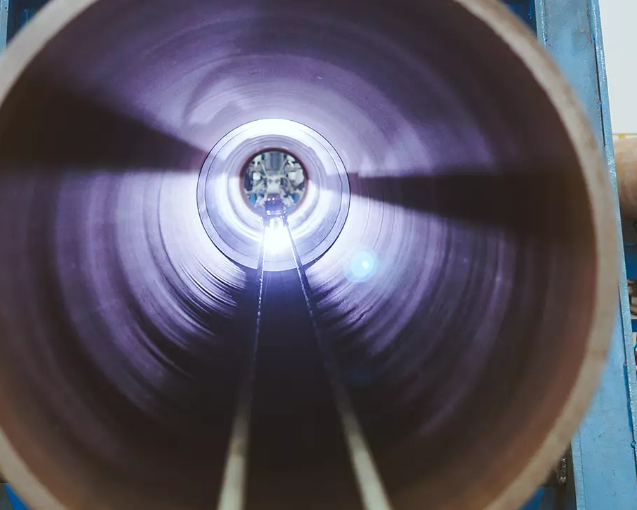
For manufacturing process of CRA clad or lined pipe, there are many bonding methods to mix CRA layer on the steel pipe:
CRA Lined Pipe Mechanical bonding: With machine power pressure or with water pressure;
CRA Clad Pipe Metallurgical bonding: Use exposive power to clad plate comined with steel plate.
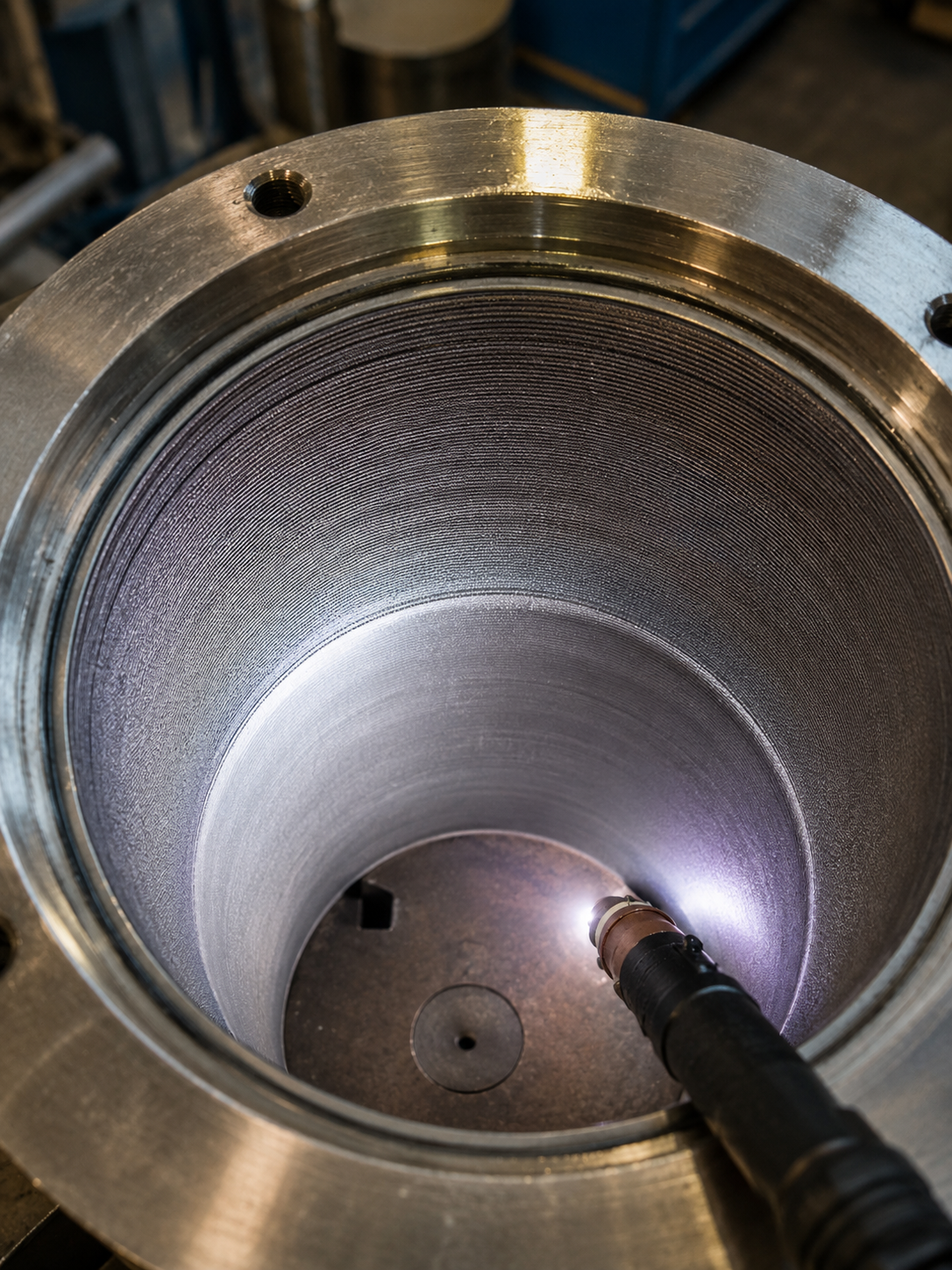
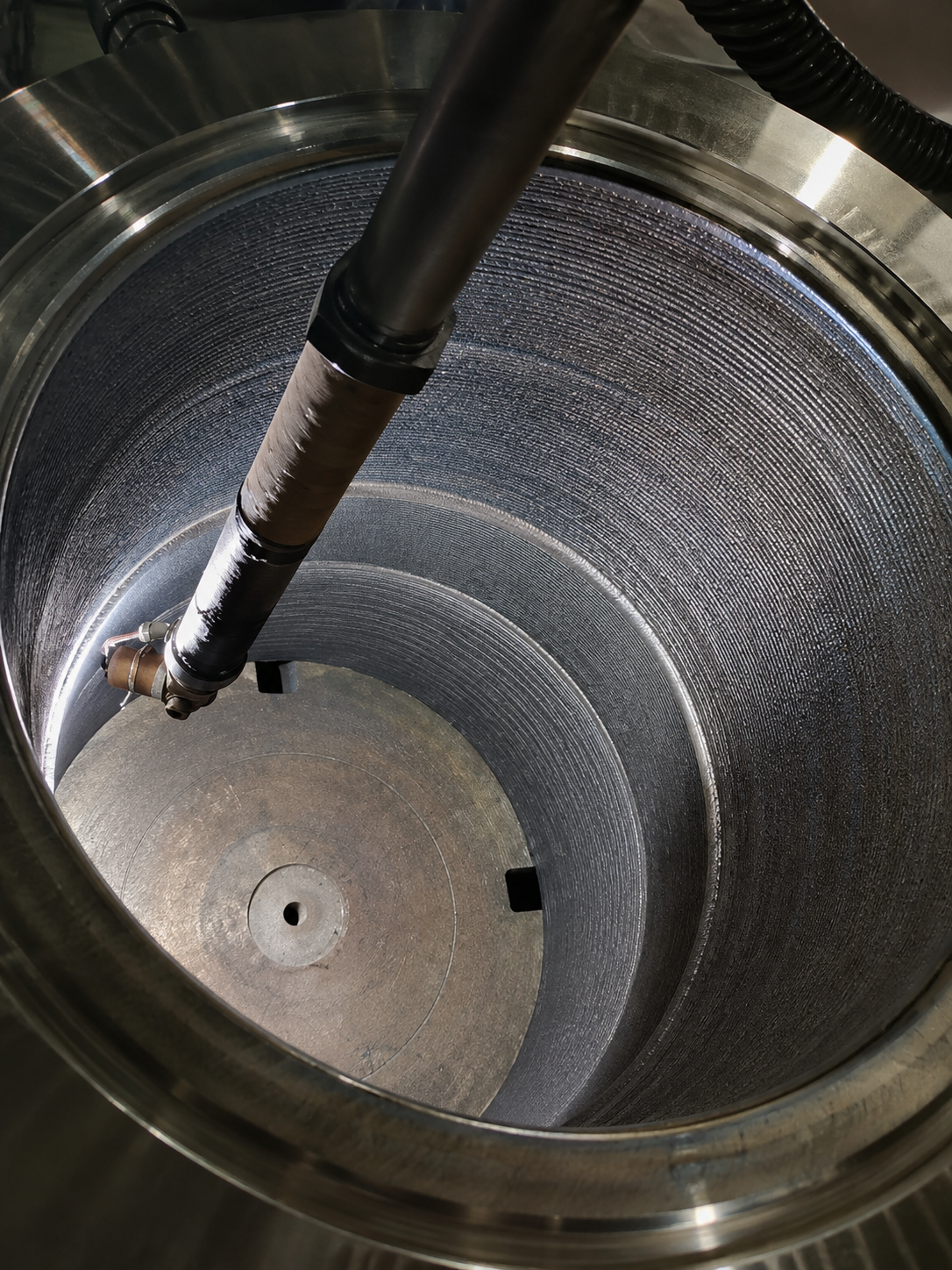
CRA Clad Pipe Welding overlay: Use welding rod (stainless or alloy steel welding rod) to weld a certain thickness on pipe internal surface.
Amoung those types the best performances for bonding is to use welding overlay, but the cost is also the highest, as it takes very slow for welding processes.
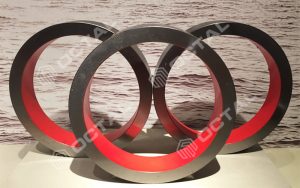
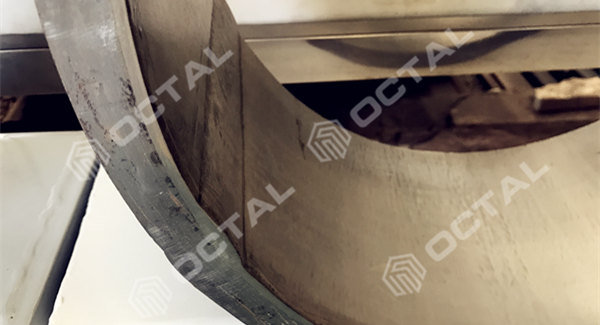
Mechanical lined type
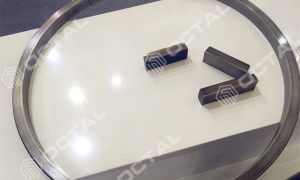
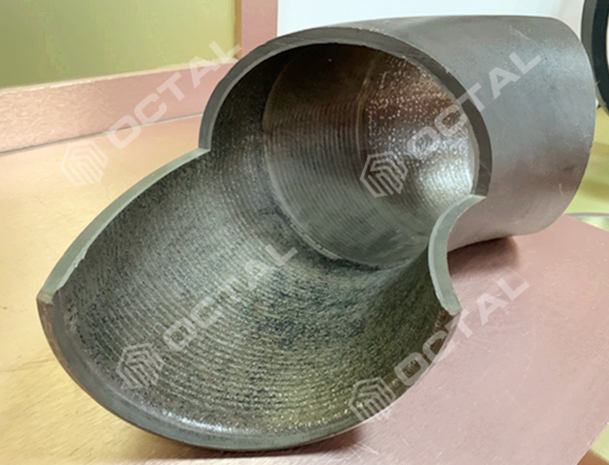
CRA weld overlay type
Clad pipe manufacturing process
Clad pipe manufacturing is built around creating a reliable CRA-to-carbon steel bond using metallurgical routes, so the selection of process is driven by service corrosion severity, required CRA grade, and acceptance scope at receiving. Common clad pipe manufacture options include:
- Explosion-Bonded CRA Clad Pipe
Explosion bonding uses controlled explosive energy to create a metallurgical bond between the CRA plate and carbon-steel backing plate. The bonded plate is checked for material identity, bond integrity, cladding thickness and surface condition before further processing. - Weld Overlay CRA Clad Pipe
Weld overlay deposits 316L stainless steel, Alloy 625 or another specified CRA directly onto the prepared carbon-steel surface. Welding parameters are controlled to limit dilution and maintain the required alloy chemistry, overlay thickness and surface quality. - Plate-to-Pipe Route (CRA Clad Plate to Pipe Forming)
Explosion-bonded or roll-bonded CRA clad plate is edge-machined, beveled and formed into pipe by JCOE, UOE or another approved process. The longitudinal seam is welded, and compatible CRA weld metal is applied to the internal seam where required to restore corrosion resistance. - Mechanically Lined Pipe Manufacturing
Mechanically lined pipe uses a separately formed CRA liner inserted into a carbon-steel backing pipe. Hydroforming or full-length mechanical expansion presses the liner tightly against the pipe wall, followed by end trimming, beveling and qualified liner-end termination.
Inconel alloy 625 weld overlay / Alloy 625 Cladding / CRA 625 – Popular CRA pipe
Inconel alloy 625 is a non-magnetic, corrosion and oxidation resistant, Ni-Cr based solid solution strengthened deformed superalloy. Nickel alloy 625 is nickel-chromium-molybdenum-columbium alloy, major content Nickel miniumum 58%, also called Inconel 625 or UNS NO6625. Other chemical content Chromimum 20% to 23%, Columbium + tantalum 3.15% to 4.15%, Molybdenum 8.0% to 10.0%, columbium Cobalt allow 1.0% max if determined, Iron 5.0% max.
Inconel 625 is extremely resistant to a variety of unusually severe corrosive environments, including high temperature effects such as oxidation and carburization, including corrosion. Because of the solid solution of the refractory Co and Mo in a Nickel-Chromium matrix, provides 625 an outstanding strength and toughness in high temperature ranging from low up to 2000°F (1093°C).
Use weld overlay cladding methods to clad inconel alloy 625 or alloy 825 material inside of the carbon steel pipe has been a popular option not only solve the corrosion resistant problem to suit different severe environments, but also provides a high strength performances with save a large of cost.
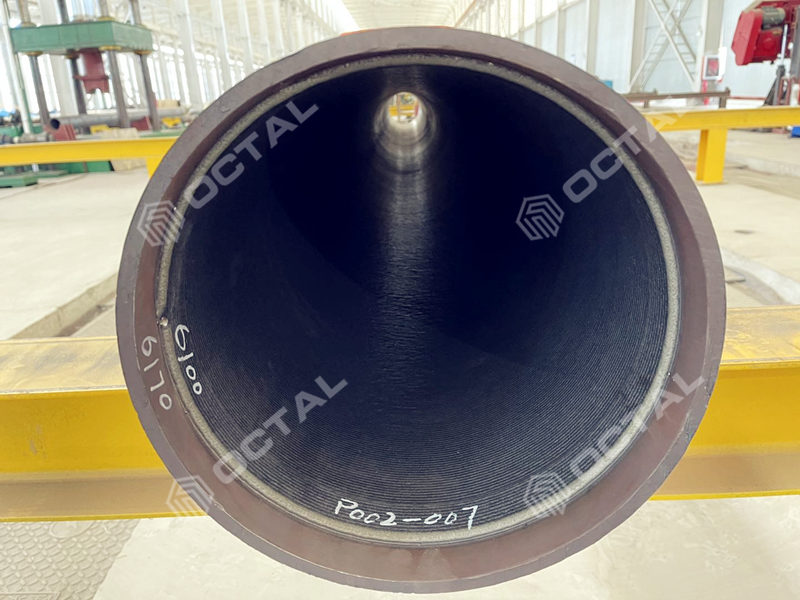
Lined pipe manufacturing methods
For lined pipe is to create through a mechanical bond on the carbon steel pipe. (Put CRA pipe internal to connect to external C-Mn steel pipe through mechanical procedures)
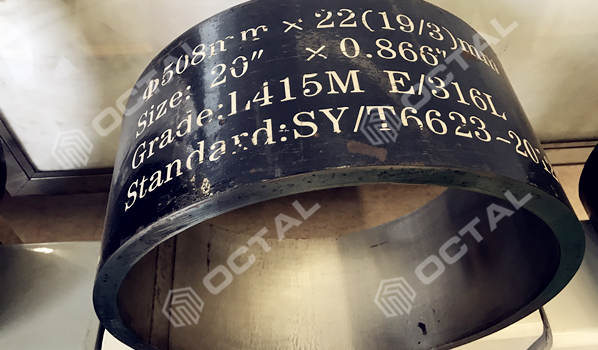
Here are options to manufacture the CRA lined pipe:
Option 1 with external carbon steel seamless pipe internal alloy welded pipe: Outer Pipe (Backing Steel Pipe) Inspection – Cutting – Machining Backing Steel Pipe – Cleaning Inner Surface – Assembling Inner Alloy Pipe – Hydro forming – Cutting Lined Pipe Ends – Beveling – Welding – Sizing pipe End – Forming – RT – ET & Endoscope – Ultrasonic Test – PT – Measuring Size and Inspection – Marking – Packing
Option 2 wtih CRA lined or clad steel plate: Mechanical lined or cladded Steel Plate Checking – UT for Lined Steel plate – Plate Beveling – Preforming – Forming to Pipe (JCOE) – Welding – Rounding – Hydrastatic test – Beveling pipe end – X Ray Test- Ultrasonic Test – Size Inspection and Measuring – Marking – Packing and Storage
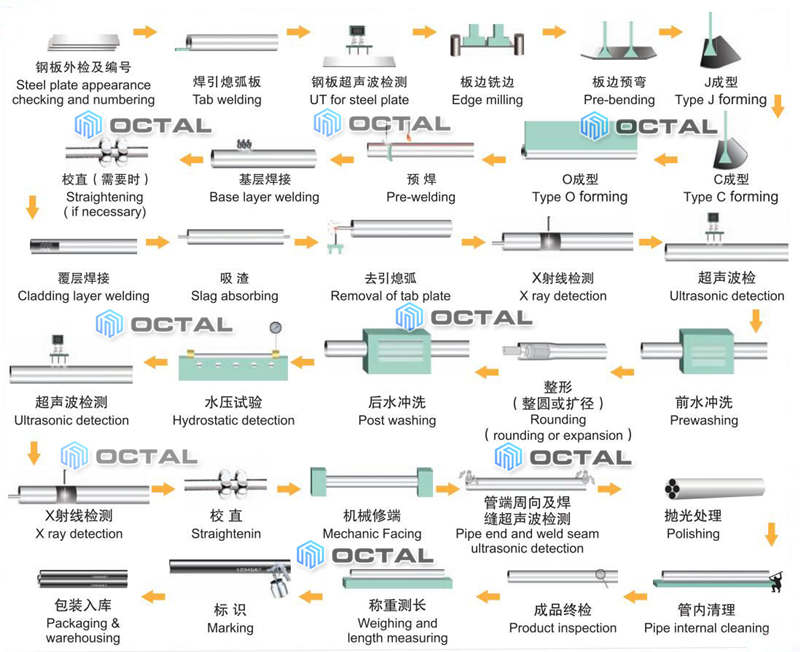
Another bonding process of CRA steel pipe is to use a Full-Length Pipe Expander than to use Hydroforming machine. (Between two options a Full-Length-Pipe-Expander is better for bonding CRA material for lined pipe)
Octal supplied CRA clad pipe and lined pipe in below specification
We supply CRA Clad and Lined pipes, Fittings, Flanges:
Clad or Lined standard: API 5LD, API 5LC
Outer Diameter Cladding pipe: 6” to 60”
OD range for CRA lined pipe: 1/2” to 24”
Thickness: Up to 80 mm (Clad pipe), 7 mm to 35 mm (For lined pipe)
Maximum length: 12.3 meter
Backing steel pipe (mother pipe) material: Carbon Steel Pipe, C-Mn Steel Pipe, API 5L B, X42, X46, X52, X56, X60, X65, X70, X80 PSL1, PSL2 and SOUR NACE MR0175, ASTM A106 B, ASTM A333 Grade 6, etc.
CRA Clad Pipe Fittings: Elbow, Cap, Tee, Reducer in ASME B16.9, Material in ASTM A234WPB, WPC, ASTM A420 WPL6.
CRA Clad Flange: Welding Neck Flange, Slip On Flange in ASME B16.5, B16.47 A/B, Material in ASTM A105, A350.
Cladding and Lining CRA (Corrosion resistant alloy) material: Austenitic stainless steel, nickel alloy steel, Hastelloy C276, alloy 625, 825, S31803, S31254 titanium alloy steel duplex steel, and etc.
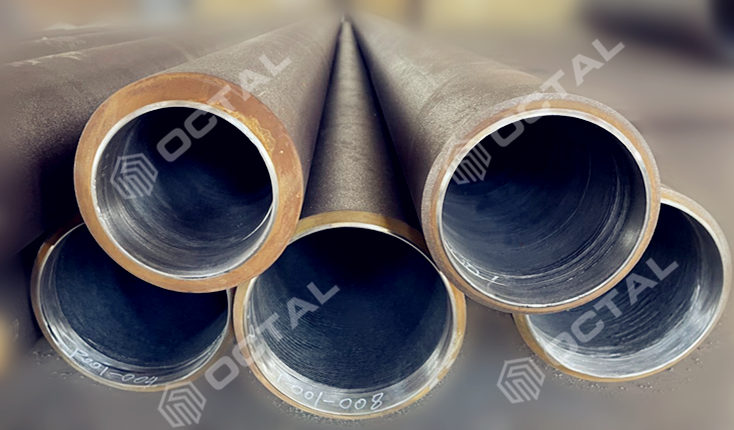
More over, We are also capable to supply clad pipe fittings and flanges.
CRA Clad or Lined Pipe Order Sample Description & Specification
CRA Clad or Lined Steel Pipe, Carbon steel pipe in ASTM A106 Grade B, Outer Diameter 16 in, Nominal Weight 62.58 lb/ft, Wall thickness Schedule STD. Inner Coating Lining or Cladding HASTELLOY C276 in Thickness 0.125 in / 3mm, External Coating Varnished, Nominal Length 12 Meter (40 FT), Ends Beveled.
Sample Description for Cladding Pipe Fittings Order
Eccentric Reducer, Material Carbon Steel, Standard and Grade ASTM A234 WPB, Ends Design Beveled.
Nominal Diameter 18 in x 16 in, Wall Thickness Sch 40. ASME B16.9 manufacturing standard, External Paint Anti-Corrosion Coating, Internal Coating Cladding 1/8”/3mm thick B575 N10276.
Ensuring Durability in Corrosive Pipeline Applications
CRA clad & lined pipe solutions strike a strategic balance between mechanical strength and corrosion resistance, making them ideal for pipelines handling sour gas, high-chloride water, CO₂ injection, saltwater reinjection, and other aggressive fluids. Their dual-material design ensures both long-term structural integrity and protection against internal corrosion.
Octal Steel provides a full range of CRA clad and lined pipes, fittings, and flanges, compliant with API 5LD, API 5L, ASTM, and ASME standards. Our supply includes outer diameter ranges from 6″ to 60″ (clad) and ½″ to 24″ (lined), with CRA thickness up to 80 mm (clad) and 7–35 mm (lined), and complete documentation (MTC, NDT reports, bond strength certificates).
For pipeline projects demanding both anti-corrosion performance and structural reliability, choosing Octal Steel’s CRA clad & lined pipe portfolio means investing in engineered longevity and operational assurance.
FAQ
Q: What is the difference between CRA clad pipe and mechanically lined pipe?
A: CRA clad pipe has a corrosion-resistant alloy layer metallurgically bonded to the carbon-steel backing pipe. Mechanically lined pipe uses a separate CRA liner expanded tightly against the backing pipe without a full-area metallurgical bond. The choice affects forming, bending, pipe-end design, welding and inspection.
Q: Does API 5LD cover both CRA clad pipe and lined pipe?
A: Yes. API 5LD covers CRA clad steel line pipe and lined steel line pipe used in petroleum and natural-gas pipeline transportation systems. The final purchase specification should also define the base-pipe grade, CRA alloy, layer thickness, testing and project-specific acceptance requirements.
Q: Which CRA materials can be used for clad or lined pipe?
A: Common options include 316L stainless steel, duplex and super duplex stainless steel, Alloy 625, Alloy 825 and C276. Selection depends on H₂S, CO₂, chloride concentration, operating temperature, pressure and the project corrosion study.
Q: What should be checked before ordering CRA clad or lined pipe?
A: Confirm the backing-pipe grade and wall thickness, CRA alloy and thickness, clad or lined construction, pipe dimensions, end preparation, field-welding requirements, NDT scope, hydrostatic testing and required inspection documents.