Your Responsible Supplier Partner for Oil and Gas Products.

Steel Pipe Dimensions & Sizes Chart (Schedule 40, 80 Pipe) Means
Steel Pipe Dimensions & Sizes Chart (Schedule 40, 80 Pipe) Means

Correctly identifying steel pipe dimensions is essential when selecting pipes and communicating requirements to a supplier. Confusion over nominal size, outside diameter, wall thickness or pipe schedule can lead to incorrect specifications and procurement errors.
How should steel pipe dimensions and sizes be specified correctly?
For your better understanding, we will explain from the following aspects:
The 3 elements of pipe dimension
Dimension Standards of carbon and stainless steel pipe (ASME B36.10M & B36.19M)
Pipe Size Schedule (Schedule 40 & 80 steel pipe means)
Means of Nominal Pipe Size (NPS) and Nominal Diameter (DN)
Steel Pipe Dimension Chart (Size chart)
Pipe Weight Class Schedule (WGT)
The final section explains how to specify steel pipe dimensions clearly when preparing a quotation request or purchase order.
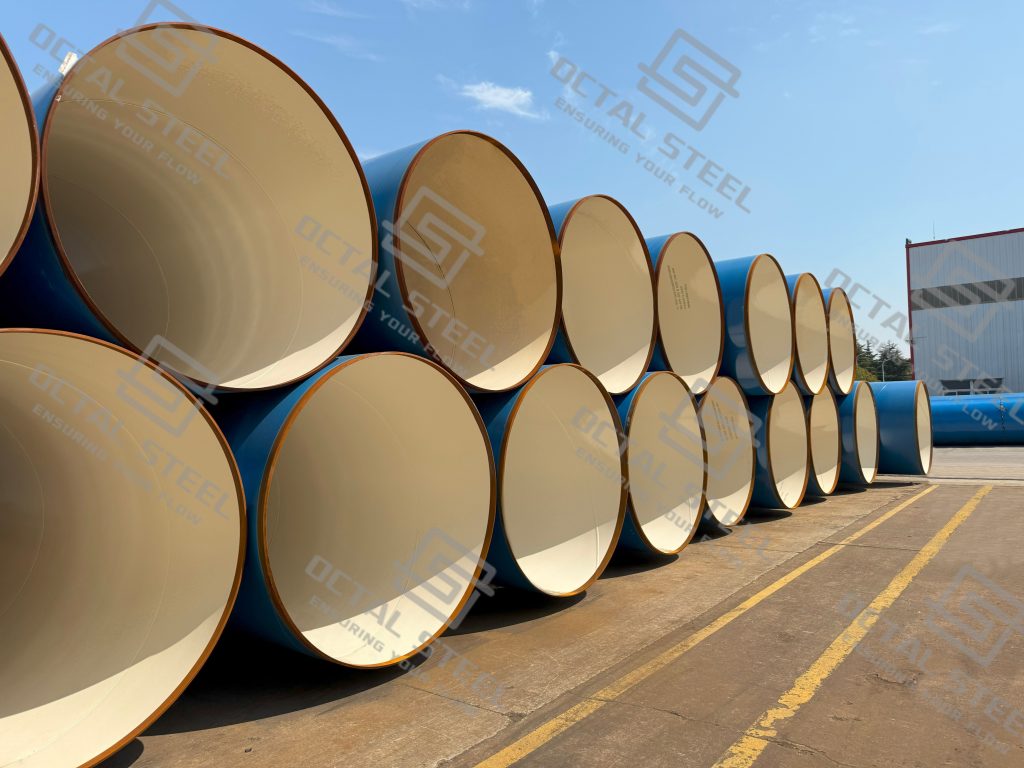
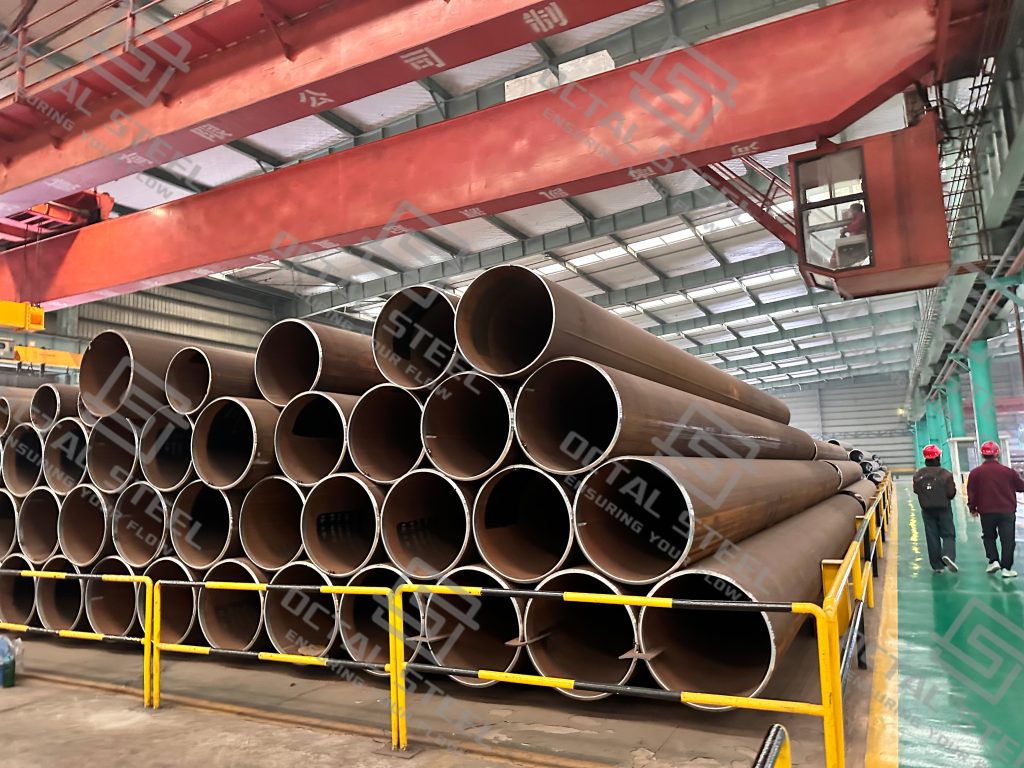
Steel Pipe Dimensions Chart (Size Chart)
Pipe Schedule Chart unit in mm as below, view here for Pipe Schedule Chart in inch.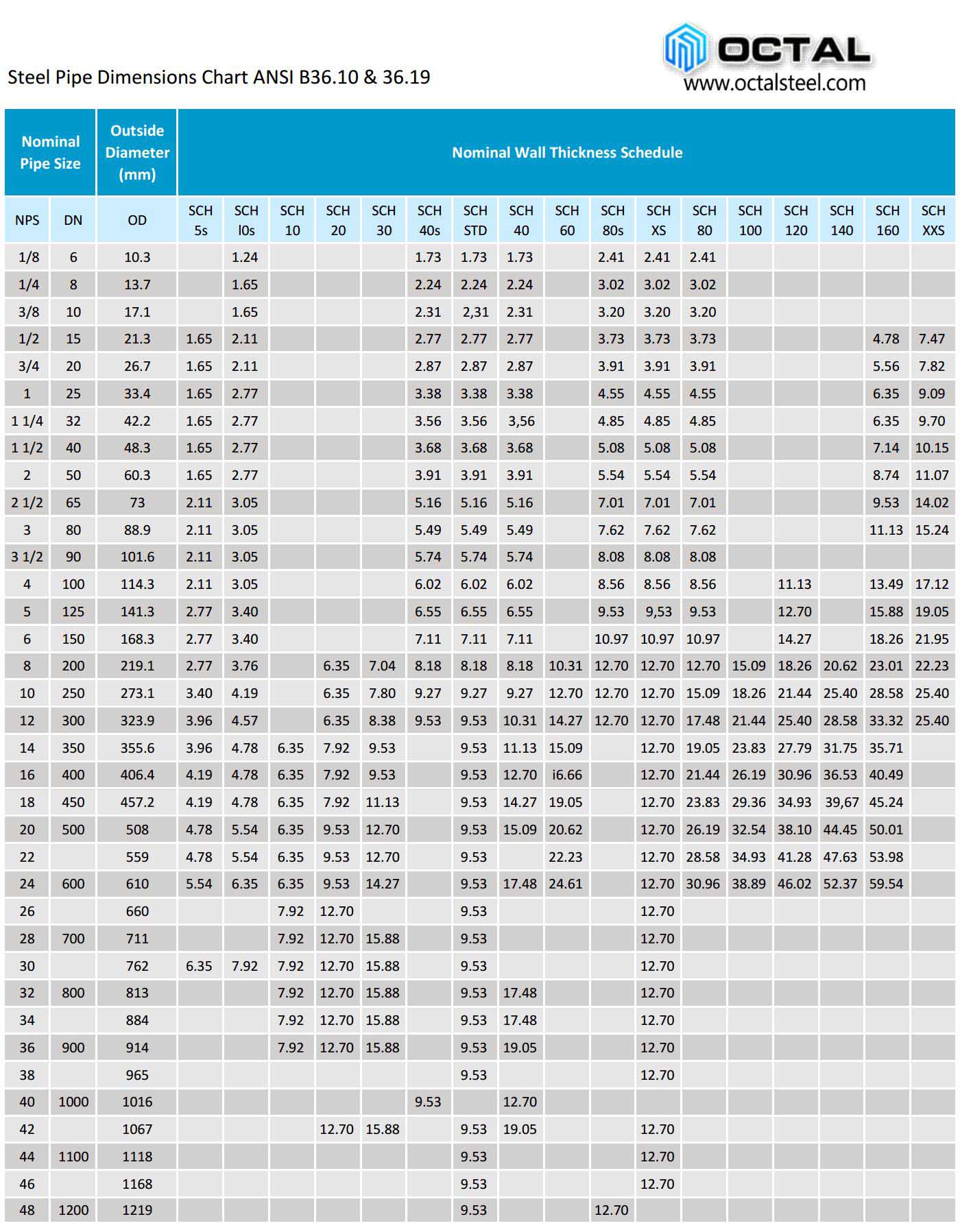
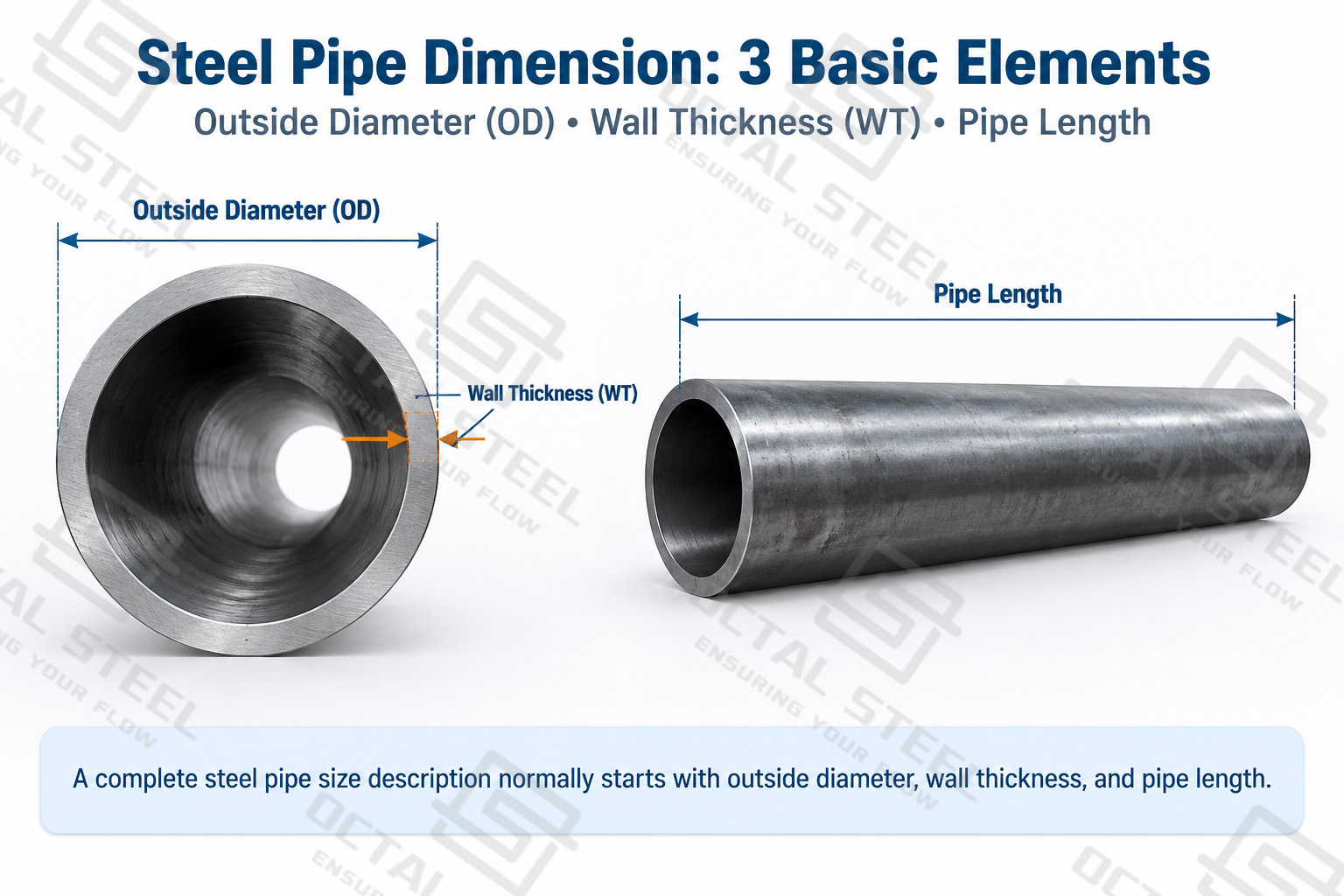
Steel Pipe Dimension 3 elements
A complete description of steel pipe dimensions includes outside diameter (OD), wall thickness (WT) and pipe length. Common pipe lengths are 6 m (approximately 20 ft) and 12 m (approximately 40 ft).
These dimensions are used to calculate pipe weight and material quantity. Outside diameter and wall thickness are also important parameters in pressure calculations, while the pipe’s pressure capacity depends on other factors, including steel grade, applicable standards and service conditions.
That is why it is important to specify the correct steel pipe dimensions.
Dimension standards for steel pipe
The dimensional requirements for steel pipe, including outside diameter (OD) and wall thickness, are mainly covered by ASME B36.10M and ASME B36.19M.
Relevant dimensional standards: ASME B36.10M and ASME B36.19M
ASME B36.10M is used for welded and seamless wrought steel pipe, while ASME B36.19M covers stainless steel pipe dimensions.
ASME B36.10M
The standard covers the standardization of steel pipe dimensions and sizes, including seamless or welded types, which are used in high or low temperatures and pressures.
The pipe is distinguished from a tube (Pipe vs Tube). In this case, the pipe is specifically used for pipeline systems and the transmission of fluids such as oil and gas, water, and slurry. The standard used is ASME B 36.10M.
In this standard, when the pipe’s Outer Diameter is smaller than 12.75 in (NPS 12, DN 300), the pipe’s actual diameter is larger than NPS (Nominal Pipe Size) or DN (Nominal Diameter).
As for steel tube dimensions, the actual outside diameter is the same as the pipe number for all sizes.
Why pipes with sizes smaller than NPS 12 (DN 300) have different OD
First, we need to acknowledge that all pipe sizes should be identified as nominal pipe size (NPS).
Secondly, for NPS 1/8 (DN 6) to NPS 12 (DN 300), these sizes are based on a standard outside diameter (O.D.). Initially, the O.D. was chosen to specify the pipe dimensions, but since pipes always have a wall thickness and internal diameter (I.D.), the difference between the O.D. and I.D. varies for small pipes. However, as the pipe dimensions increase, the O.D. and I.D. become approximately equal.
Since there is no direct relationship between the old standard thickness (O.D.) and Nominal Size, both of them are accepted according to the ASME B 36.10 M standard.
Steel Pipe Schedule
In ASME B36.10M, Pipe schedule is identified as Standard (STD), Ex-Standard (XS), or Double Extra Strong(XSS); Or with Schedule No. 5, 10, 20, 30, 40, 80, 120, 160.
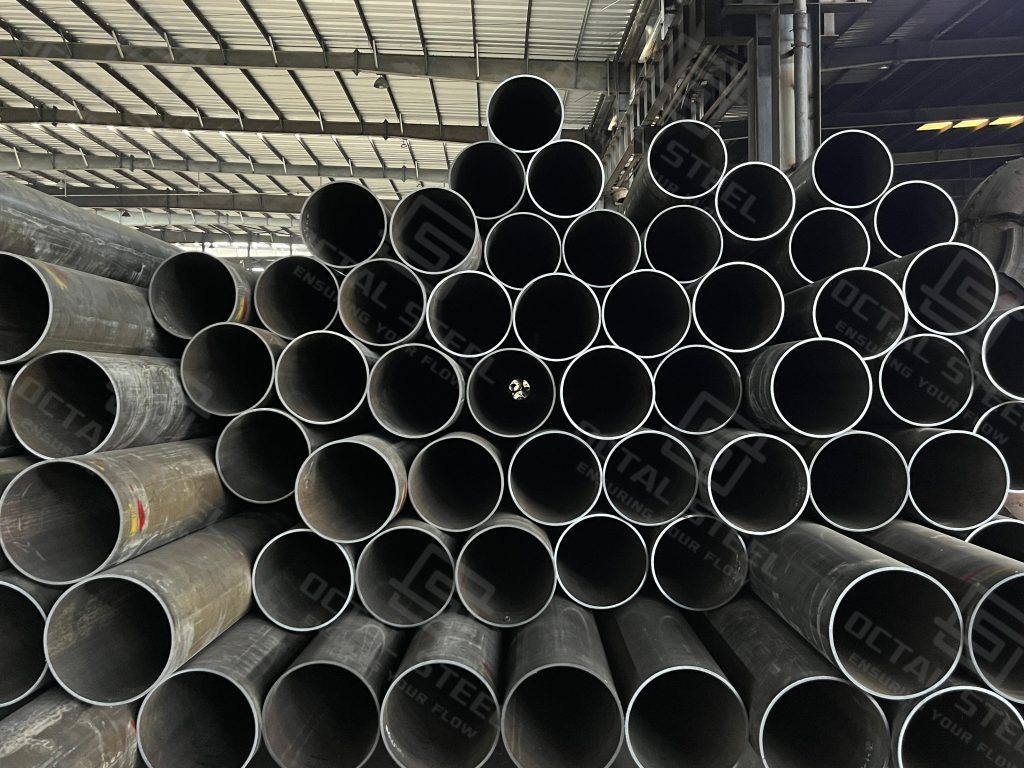
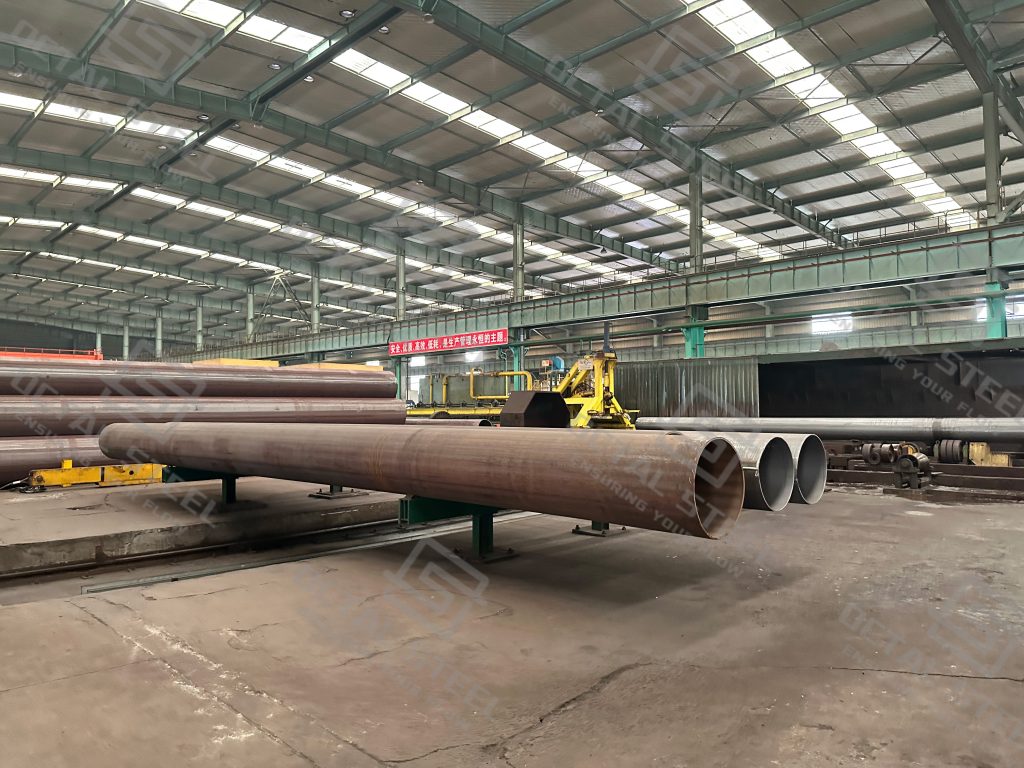
ASME B36.19M
ASTM B36.19M is for the stainless steel pipe dimensions, including seamless and welded types (same as the previous standard.)
This dimension standard is mostly the same as ASTM B36.10M. Wherever the different part is:
a. For NPS 14 to NPS 22 (DN 350-550), schedule 10S;
b. NPS 12 of Schedule 40S
c. NPS 10 and 12 of schedule 80S.
The above-mentioned pipe thickness is different with B36.10M, so suffix “S” is used here.
Ways to express pipe dimensions
1. For Pipe wall thickness: Use Steel Pipe Schedule, like schedule 40 steel pipe, schedule 80 pipe.
2. For pipe Diameters: Nominal Pipe Size (NPS) and DN (Nominal Diameter)
3. Pipe weight Class (WGT), LB/FT (Pounds per foot), KG/M (Kg per meter)
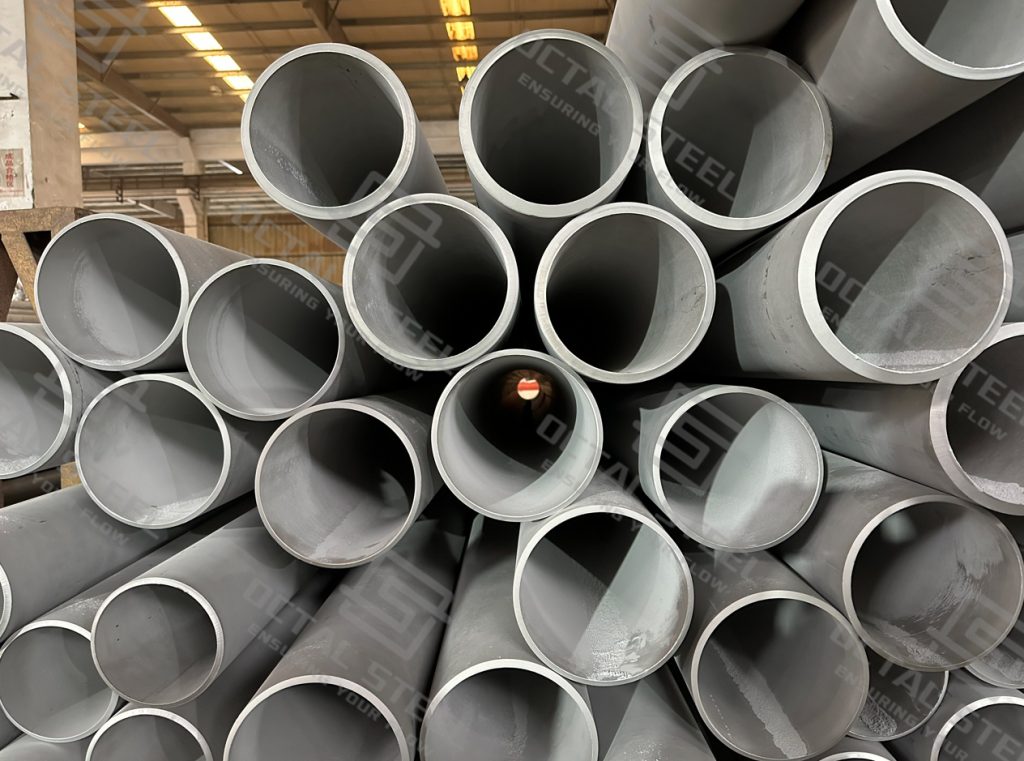
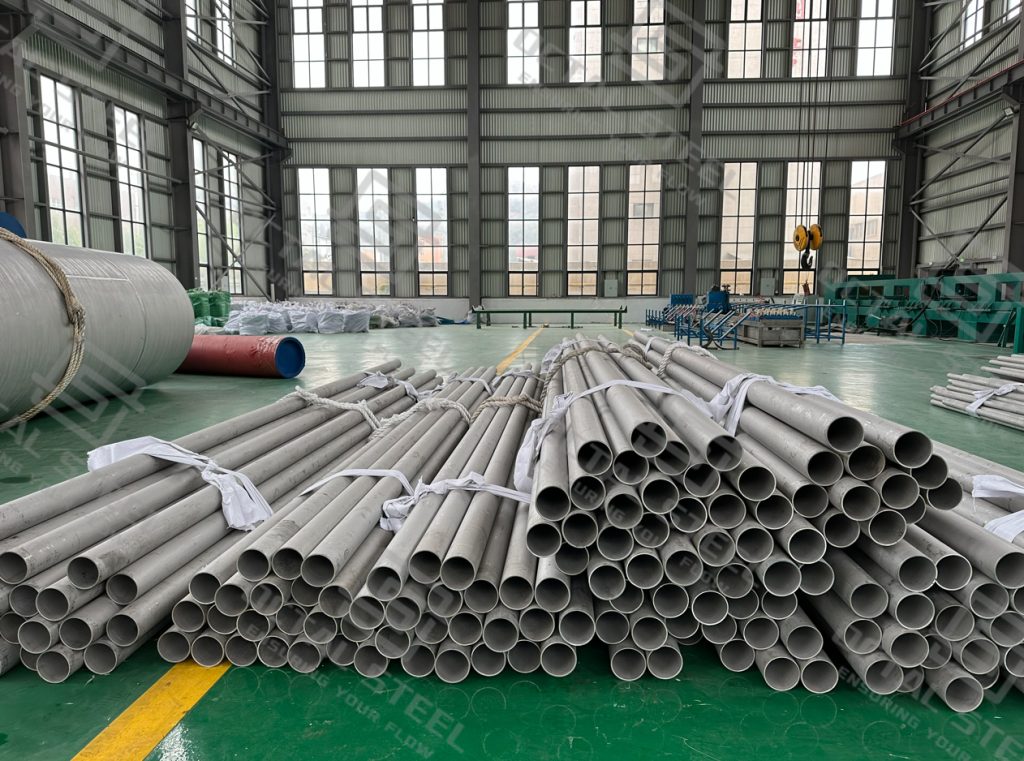
What is Steel Pipe Dimensions Schedule?
Steel pipe schedule is an indicating method represented by ASME B 36.10, and used in many other standards, marked with “Sch”. Sch is the abbreviation of schedule, generally appearing in the American steel pipe standard, which is a prefix of a series number. For example, Sch 80, where “80” is a pipe number from chart/table ASME B 36.10.
“Since the steel pipe’s main application is to transport the fluids under pressure, their internal diameter is their critical size. This critical size is taken as nominal bore (NB). Therefore, if steel pipe carries the fluids with pressure, it is particularly important that pipe shall have enough strength and wall thickness. So wall thickness is specified in Schedules, which means the pipe schedule, abbreviated as SCH. Here ASME is the given standard and definition for the pipe schedule.”
The pipe schedule formula:
Sch.=P/[ó]t×1000
P is the Designed pressure, units in MPa;
[ó]t is Allowable stress of materials under design temperature, Units in MPa.
What does SCH mean for the steel pipe dimensions
When describing the steel pipe parameter, we usually use the pipe schedule, which is a method that represents pipe wall thickness with number. Pipe schedule (sch. ) is not a wall thickness, but a wall thickness series. Different pipe schedules mean different wall thicknesses for the steel pipe in the same diameter. The most frequent indications of schedule are SCH 5, 5S, 10, 10S, 20, 20S, 30, 40, 40S, 60, 80, 80S, 100, 120, 140, 160. The larger the table number, the thicker the surface pipe wall, the higher the pressure resistance.
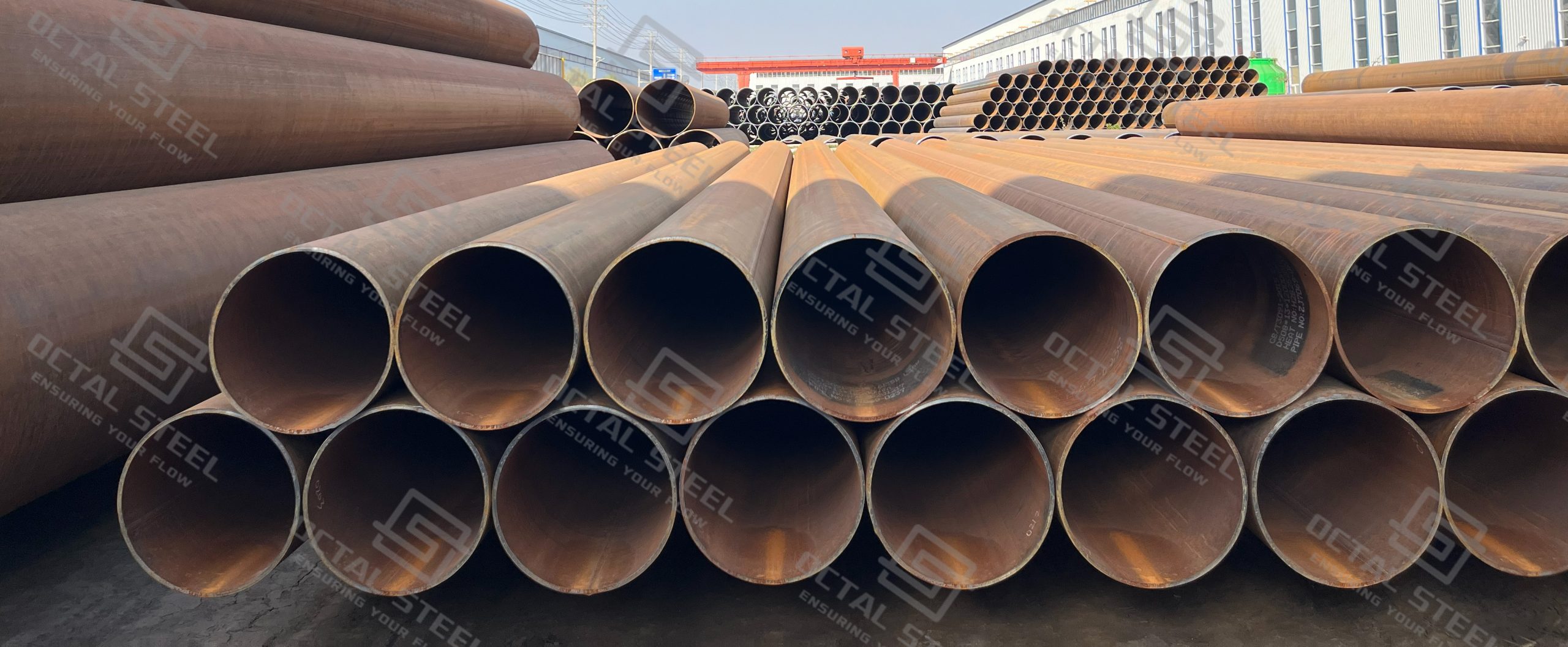
Schedule 40, 80 steel pipe dimension means
Schedule 40 and Schedule 80 are widely used pipe wall-thickness designations in industrial piping systems. For each nominal pipe size (NPS), the schedule specifies a standardized wall thickness that affects the pipe’s internal diameter and weight. Their widespread use across industrial applications reflects the need for different wall thicknesses to meet varying design requirements. However, the pressure capacity of a steel pipe depends not only on its wall thickness but also on its outside diameter, material grade, design temperature and applicable design standards
The material standard for such thickness pipes has no limitations, you could ask for sch 40 stainless steel pipe, like ASTM A312 Grade 316L; Or sch 40 carbon steel pipe, such as API 5L, ASTM A53, ASTM A106B, A 179, A252, A333 etc..
What is the Nominal Pipe Size (NPS)?
Nominal Pipe Size (NPS) is a North American set of standard sizes for pipes used for high or low pressures and temperatures. Pipe size is specified with two non-dimensional numbers: a nominal pipe size (NPS) based on inches, and a schedule (Sched. or Sch.).
What is DN (Nominal Diameter)
Nominal diameter, also known as outside diameter, is used to represent the general diameter of various pipes and pipeline accessories. Due to the thin wall of the pipe, the outside and inside diameters are almost the same. Therefore, the average value of both parameters is used as the nominal diameter of the pipe. DN (nominal diameter) ensures that pipes and pipe fittings with the same nominal diameter can be interconnected, providing interchangeability. Although the nominal diameter value is close to or equal to the inside diameter of the pipe, it does not represent the actual sense of the pipe diameter. The nominal size is denoted by a numerical symbol followed by the letter “DN” and the unit is indicated in millimeters after the symbol. For example, DN50 represents a pipe with a nominal diameter of 50 mm.
DN (mm) and NPS (inch) conversion
Nominal diameter DN (mm) and NPS (inch) conversion
1. Conversion DN ( mm ) that requires separate memory
|
DN (mm)
|
6
|
8
|
10
|
15
|
20
|
25
|
32
|
40
|
50
|
65
|
80
|
|
NPS(inch)
|
1/8
|
1/4
|
3/8
|
1/2
|
3/4
|
1
|
1 1/4
|
1 1/2
|
2
|
2 1/2
|
3
|
2. Greater than or equal to DN100 diameter and NPS conversion
DN=25*NPS;
NPS=DN/25
3. Exact conversion
1 inch =25.4 mm
Pipe Weight Class Schedule
The WGT class (weight class) is an indication of the pipe wall thickness that was used in the past, but is still in use today. It consists of three grades: STD (standard), XS (extra strong), and XXS (double extra strong).
In the early days of pipe production, each size of pipe had only one specification, known as standard tube (STD). However, in order to handle high pressure fluids, thicker pipes known as XS were introduced. XXS pipes were then developed to handle even higher pressure fluids. As new materials processing technology emerged, there was a growing demand for more cost-effective thin-walled pipes. This eventually led to the introduction of the aforementioned pipe grades. The corresponding relationship between pipe schedules and weight classes can be found in the ASME B36.10 and ASME B36.19 specifications.
How to describe steel pipe dimensions and size correctly?
For example: a. Expressed as “pipe outside diameter × wall thickness”, such as Φ 88.9mm x 5.49mm (3 1/2” x 0.216” ). 114.3mm x 6.02mm (4 1/2” x 0.237”), length 6m (20ft) or 12m (40ft), Single Random Length (SRL 18-25ft), or Double Random Length (DRL 38-40ft).
b. Expressed as “NPS x Schedule”, NPS 3 inch x Sch 40, NPS 4 inch x Sch 40. Same size as above specification.
c. Expressed as “NPS x WGT Class”, NPS 3 inch x SCH STD, NPS 4 inch x SCH STD. Same size above.
d. “Pipe Outer Diameter x lb/ft.” is commonly used in North America and South America. For example, a pipe with an outer diameter of 3 1/2” would be described as having a weight of 16.8 lb/ft. The unit “lb/ft” stands for pounds per foot.
FAQ
Q:How do you calculate the inside diameter of a steel pipe?
A:The nominal inside diameter is calculated as ID = OD − 2 × WT, using the specified outside diameter and wall thickness. Actual bore dimensions may vary within manufacturing tolerances, and internal linings can further reduce the clear diameter.
Q:Are Schedule 40 and STD the same for all steel pipe sizes?
A:No. Under ASME B36.10M, Schedule 40 and STD have the same nominal wall thickness through NPS 10, but they are not equivalent at every size. Always verify the specified NPS and wall thickness against the applicable dimensional table.
Q:Is Schedule 40S interchangeable with Schedule 40?
A:Not automatically. Schedule 40S is associated with ASME B36.19M for stainless steel pipe, while Schedule 40 is commonly referenced under ASME B36.10M. Their wall thicknesses can differ at certain NPS sizes, so substitution requires checking the applicable standard and actual dimensions.
Q:Does a higher steel pipe schedule always mean a higher pressure rating?
A:No. A higher schedule generally means a thicker wall for the same NPS, but allowable pressure also depends on material grade, outside diameter, design temperature, corrosion allowance and the governing design code. Pressure suitability must be verified against the project’s design requirements.



Tags:Steel Pipe Dimensions

Related Resources



Recent News



Hot Topic
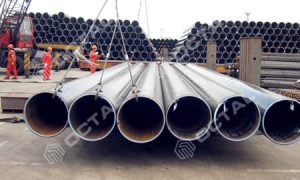
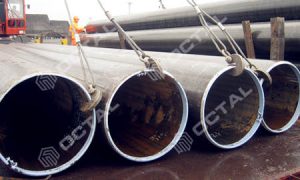

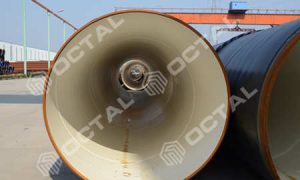

Octal is located in China recognized as a leading supplier, distributor, and manufacturer union in providing piping solutions for oil and gas company. Product ranges in Steel Pipe, Casing and Tubing, Steel Plate, Sucker Rod, Steel Pipe Fittings, Valves, and Equipment for pipelines.
Contact Info
Unit 2544, 25/F, Tower A, Wanda Plaza, Wenfeng District, Anyang, Henan, China & Building A, No.18 Dirun Road, Zhengdong New District, Zhengzhou, Henan, China
+86 372 2157660 / +86 186 3727 1277
[email protected]