Your Responsible Supplier Partner for Oil and Gas Products.

API 5L Pipe Supplier
API 5L Pipe Supplier
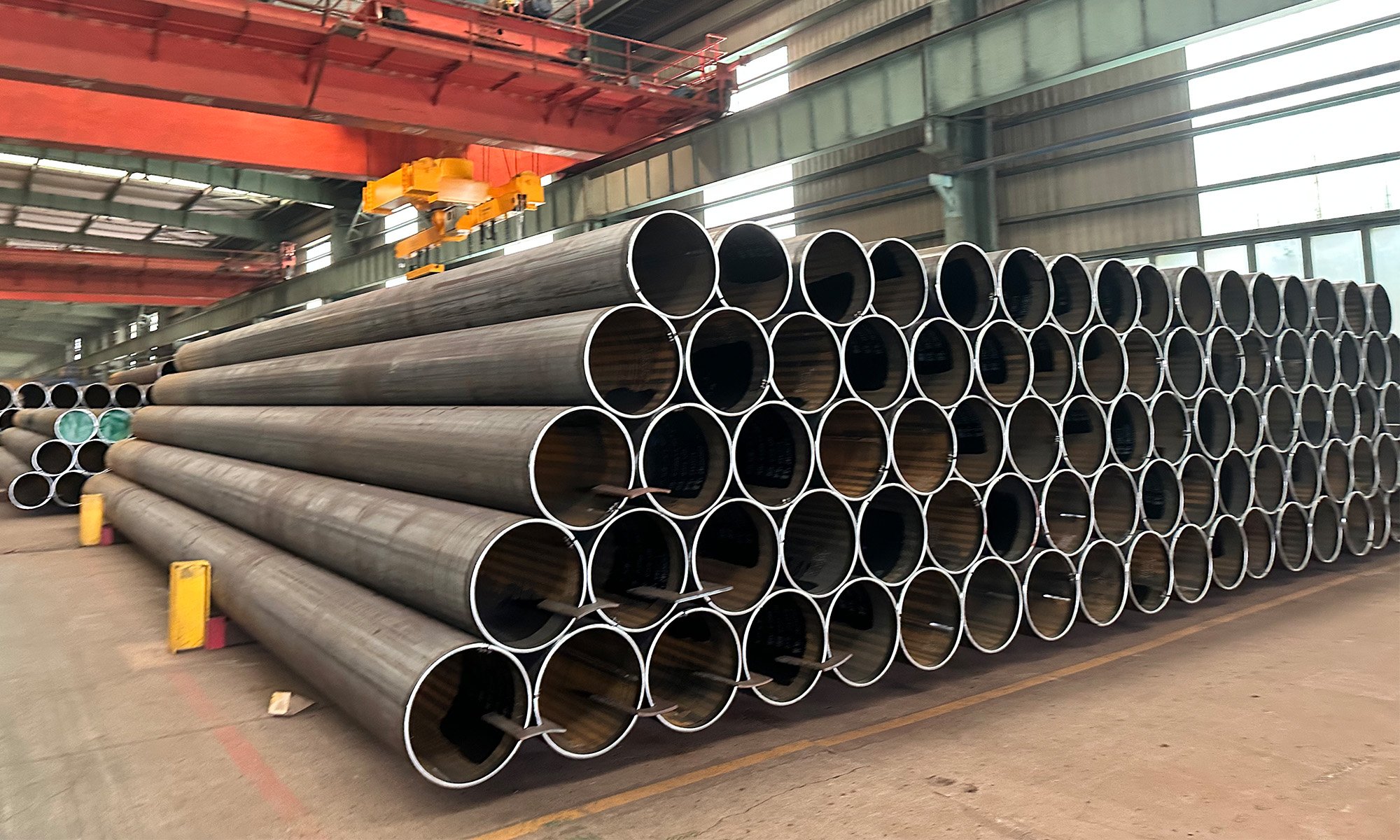
API 5L pipe supplier selection directly affects material quality, project costs and delivery schedules. Buyers need to verify pipe grades, PSL1/PSL2 requirements, dimensions, manufacturing processes and inspection standards before placing an order. For large-volume projects, a reliable supplier should also have sufficient stock, flexible production capacity, traceable quality records and dependable logistics to meet technical specifications and delivery deadlines.
Octal Steel supplies API 5L seamless and welded line pipes, covering Grade B and a range of X-series grades. With substantial stocks of selected specifications, manufacturing resources across multiple facilities in China, and a warehouse in Nigeria, the company supports both urgent procurement and large-volume pipeline projects. Raw material coordination, quality inspection, third-party verification by agencies such as BV, and export logistics can be arranged according to project requirements, helping align pipe specifications, order quantities and delivery schedules.
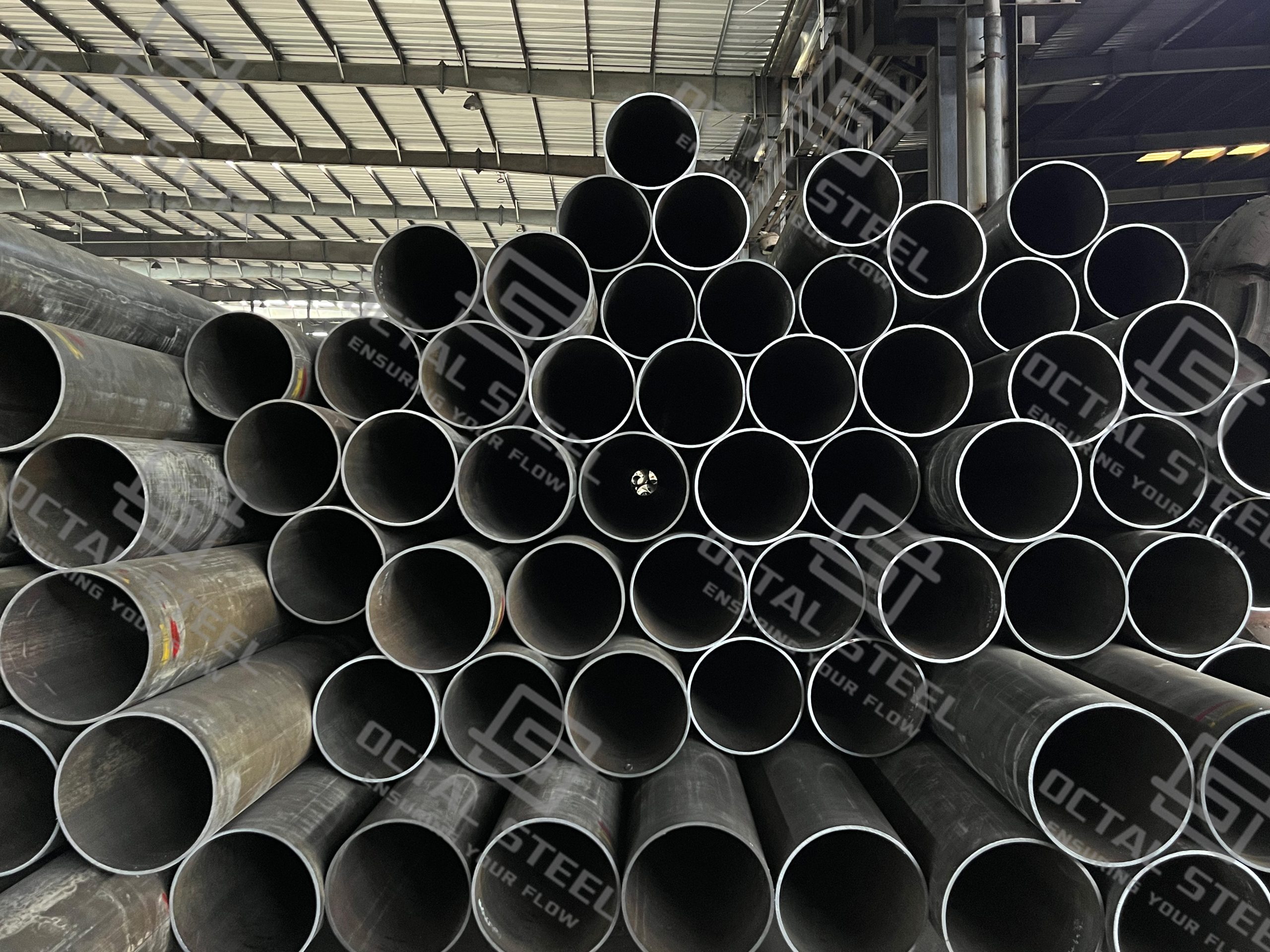
API 5L Pipe Standards, Grades and Specifications
API 5L line pipe specifications cover steel grades, product specification levels (PSL1 and PSL2), manufacturing processes and dimensional requirements. Grades such as Grade B, X42, X52 and X65 differ in their specified minimum yield strength and tensile properties. For example, X52 and X65 represent minimum yield strength classes of approximately 52 ksi and 65 ksi, respectively. The required grade and PSL level must be specified together with the pipe dimensions and applicable testing requirements to define the material needed for a pipeline project.
API 5L Pipe Grades and Supply Specifications
| Specification | Available Grades or Options |
|---|---|
| Manufacturing Standard | API Specification 5L |
| Product Specification Levels | PSL1 and PSL2 |
| Steel Grades | Grade B, X42, X46, X52, X56, X60, X65, X70; higher grades subject to manufacturing capability |
| Manufacturing Processes | Seamless (SMLS), HFW/ERW, LSAW, SSAW |
| Outside Diameter | Small to large diameters, depending on the selected manufacturing process |
| Wall Thickness | Standard and project-specific thicknesses |
| Standard Lengths | Commonly 6 m and 12 m, with custom lengths available |
| Pipe Ends | Plain ends, beveled ends |
| Surface Protection | Bare, varnished, FBE, 3LPE, 3LPP |
| Quality Documentation | Mill test certificates, inspection records, material traceability and third-party reports when required |
An API 5L pipe specification should clearly define the steel grade, PSL level, outside diameter, wall thickness, pipe length and end preparation. Coating systems, inspection requirements and documentation are also specified according to the project requirements. For sour-service pipelines, low-temperature operation or CO₂ transportation, additional requirements for impact toughness, hardness and corrosion-related testing may apply. These requirements depend on the intended service conditions, as steel grade and PSL level alone do not determine a pipe’s suitability for every application.
How to Choose the Right API 5L Pipe
After determining the required steel grade, PSL level and pipe dimensions, the next step is to select a suitable manufacturing process. API 5L line pipes are available in seamless and welded forms, including HFW/ERW, LSAW and SSAW. Each process has its own manufacturing characteristics and applicable size range. The choice depends on the specified diameter and wall thickness, pipeline design requirements, project acceptance criteria and the capabilities of the qualified manufacturing mill.
| Pipe Type | Manufacturing Characteristics | Selection Considerations |
|---|---|---|
| Seamless Pipe | Produced from solid steel billets without a longitudinal weld seam | Suitable where seamless construction is specified; commonly selected for smaller and medium diameters |
| HFW/ERW Pipe | Formed from steel strip with a longitudinal high-frequency weld | Efficient for repeatable, high-volume production within the mill’s size and thickness range |
| LSAW Pipe | Manufactured from steel plate with a longitudinal submerged arc weld | Suitable for large-diameter and heavy-wall pipelines requiring controlled pipe geometry |
| SSAW Pipe | Manufactured from steel coil using spiral submerged arc welding | Provides manufacturing flexibility for large-diameter pipes where spiral-welded construction is permitted |
Each manufacturing process offers different advantages. Seamless pipes have no longitudinal weld seam, while HFW/ERW, LSAW and SSAW pipes use different welding processes and require the applicable weld inspection. For large-diameter or heavy-wall pipelines, the available manufacturing range and dimensional requirements are particularly important. No single pipe type is suitable for every project; the final selection must match the pipeline design and project specifications. Once the required pipe type and dimensions are established, stock availability and production scheduling become the next considerations for meeting the delivery deadline.
API 5L Pipe Stock Availability and Overseas Warehousing
For pipeline projects with tight construction schedules, purchasing API 5L line pipe from stock can shorten procurement lead times. However, the available material must match the required steel grade, PSL level, outside diameter, wall thickness, length and manufacturing process. Coating requirements, inspection records and material traceability also need to be checked to ensure that the stock is suitable for the intended project.
Stock supply and new production serve different purposes. Existing inventory can help meet urgent requirements when the specifications and quantities match, while larger orders or less common specifications may require additional production. Coordinating available stock with manufacturing resources provides greater flexibility when a project requires multiple pipe sizes or substantial quantities.
API 5L Pipe Stock Availability and Project Supply
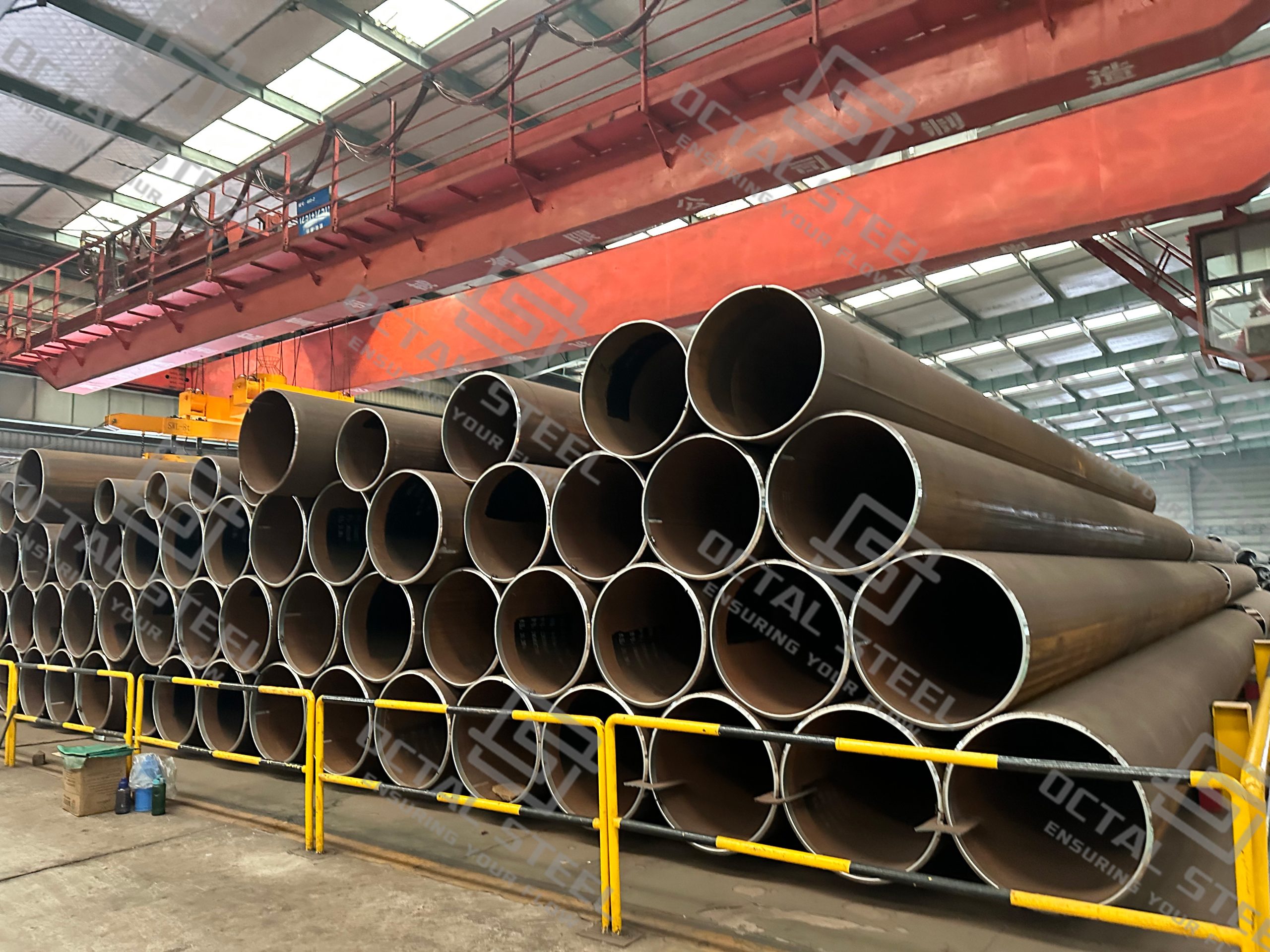
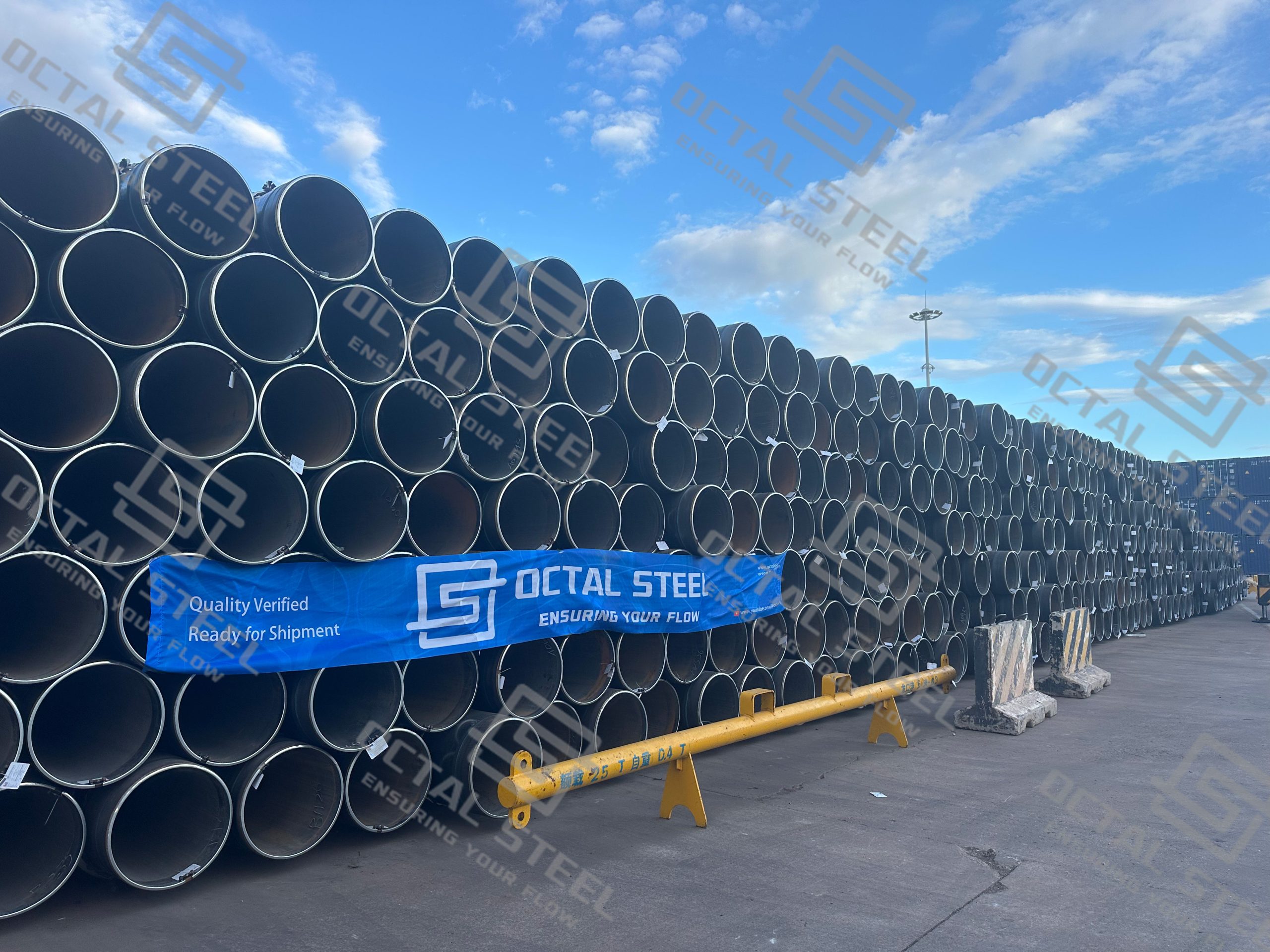
Octal Steel maintains substantial stock of selected API 5L pipe specifications to support urgent procurement and ongoing pipeline projects. Stock resources and manufacturing facilities across China allow different grades, diameters and wall thicknesses to be coordinated according to project requirements. When existing inventory cannot cover the full order, additional production can be arranged to meet the required quantities.
This flexibility is also reflected in international supply projects. For a shipment to Manzanillo, Mexico, Octal Steel supplied API 5L Grade B PSL2 seamless pipes in 4-inch, 6-inch, 8-inch and 12-inch sizes with 3LPE external coating. The order involved multiple pipe sizes and coordinated coating requirements within one export shipment.
Overseas Warehouse
Octal Steel also operates a warehouse in Nigeria, providing a regional supply option for customers in Nigeria and other West African markets. When the required specifications are available locally, stock can support urgent replacement needs, maintenance work and ongoing pipeline projects without requiring every order to be shipped directly from China.
For larger quantities or specifications not held in Nigeria, supply can be coordinated through manufacturing facilities in China. Combining local warehouse inventory with manufacturing resources provides different supply options according to the required pipe specifications, order quantities and delivery arrangements.
Manufacturing Capacity for Large-Volume API 5L Pipe Orders
Large-volume API 5L pipe orders often involve multiple steel grades, diameters and wall thicknesses. Meeting these requirements calls for suitable production capacity, reliable raw material sourcing and coordinated manufacturing schedules, particularly when different specifications must be delivered in stages.
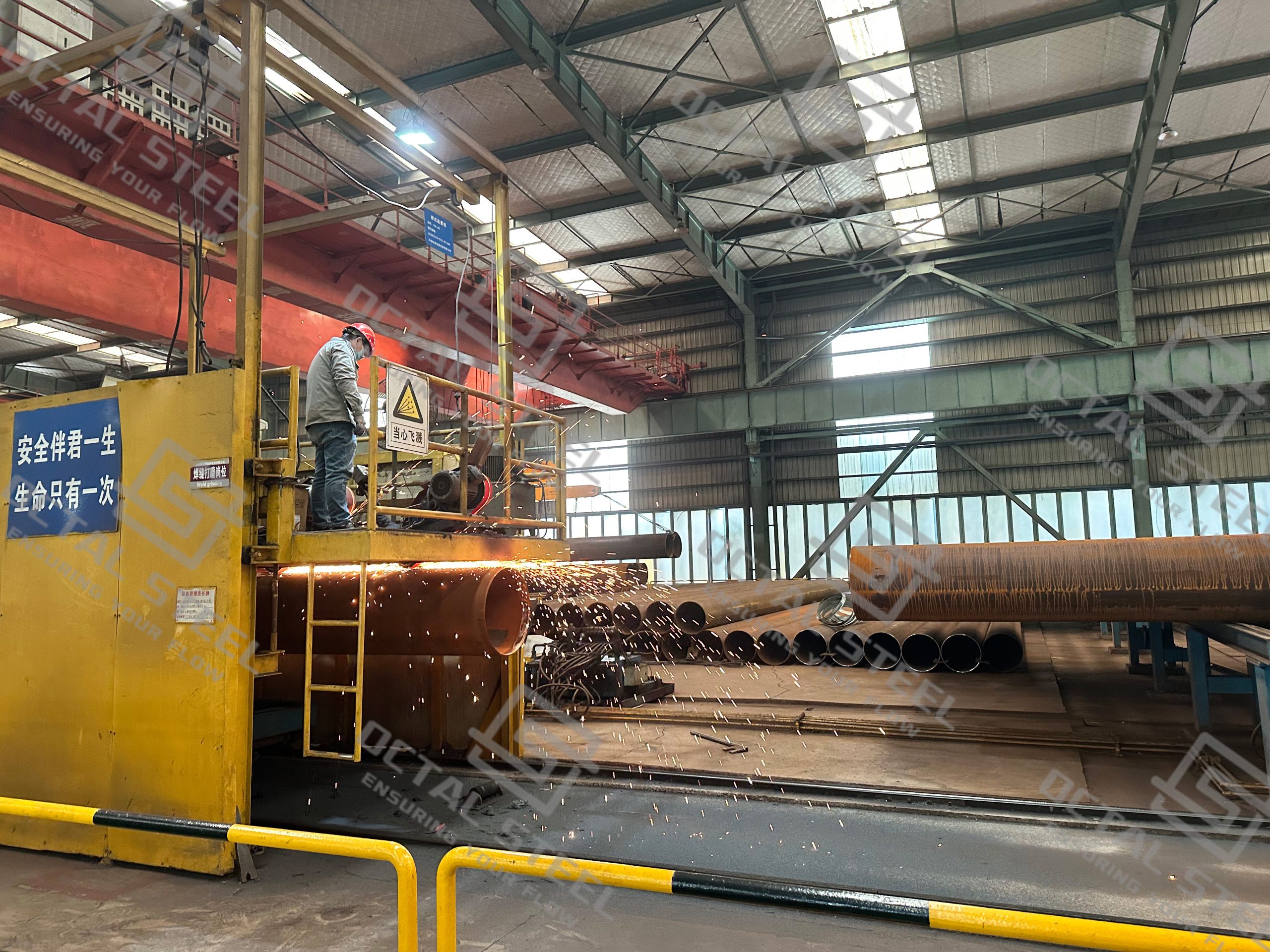
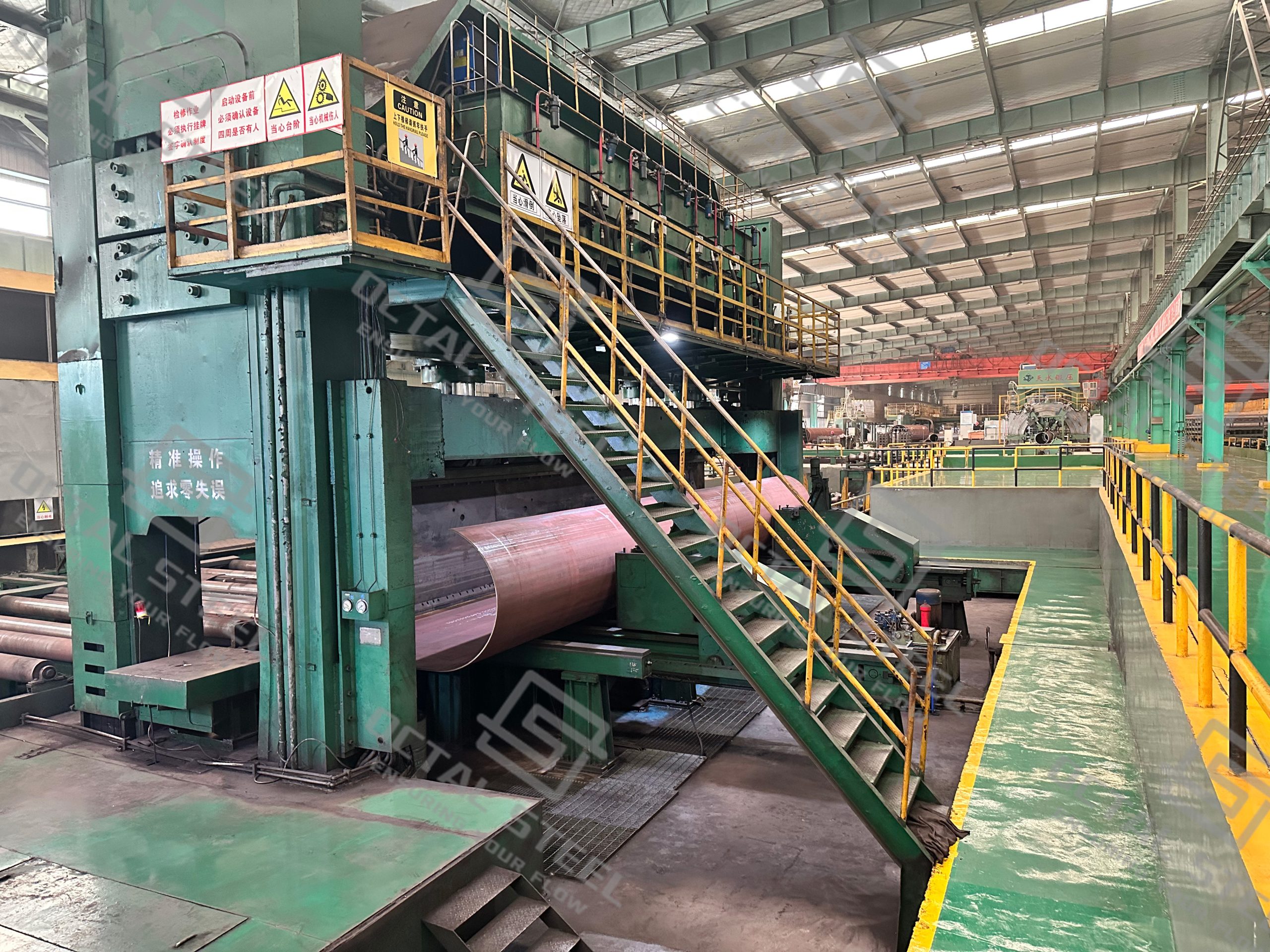
Octal Steel coordinates manufacturing resources across multiple facilities in China to support orders involving different pipe types and dimensions. Production arrangements can be matched to the required specifications and quantities, helping accommodate orders that exceed the available stock at a single location.
Multiple Production Lines and Raw Material Coordination
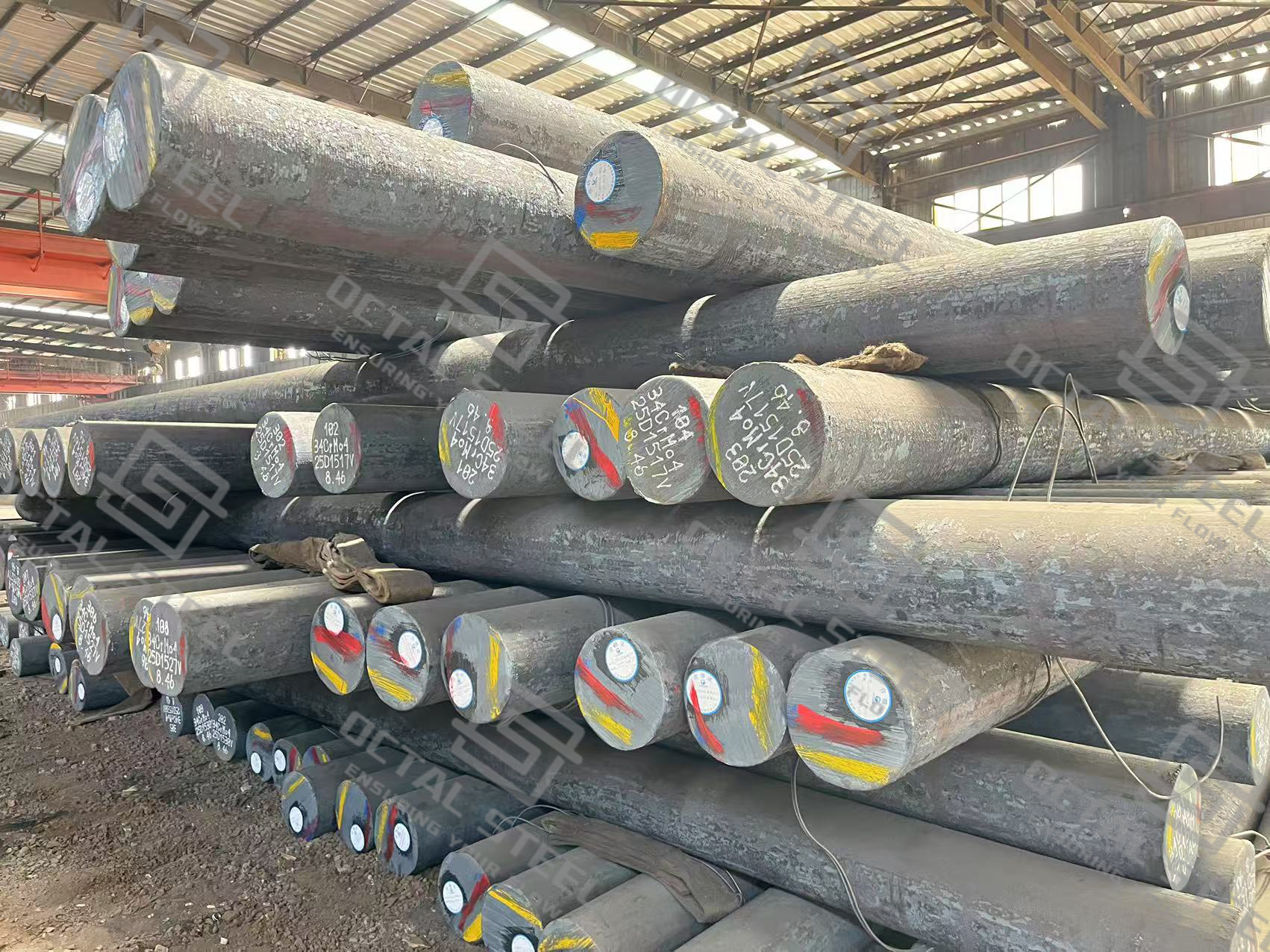
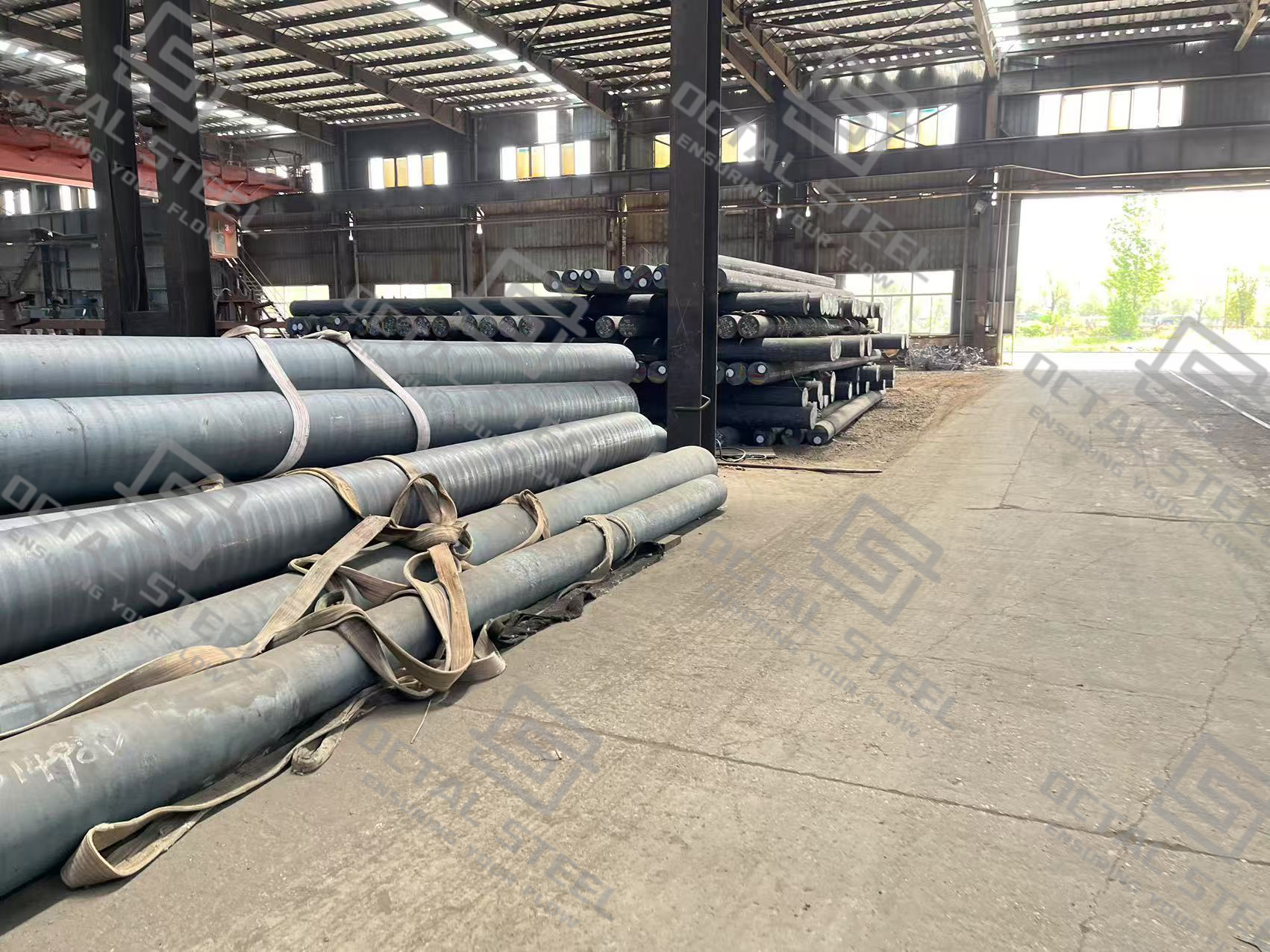
Seamless and welded API 5L pipes require different manufacturing equipment and raw materials. Seamless pipe production uses steel billets, while welded pipe production relies on suitable steel plates or coils, depending on the manufacturing process. The availability of the correct raw materials directly affects production scheduling, particularly for high-strength grades and large-diameter, heavy-wall pipes.
Octal Steel coordinates raw material sourcing and production planning across suitable manufacturing facilities in China. For orders involving several pipe specifications, this approach helps align material availability with the requirements of each production process. Material identification and traceability must also be maintained throughout manufacturing to ensure that the finished pipes meet the specified grade and project requirements.
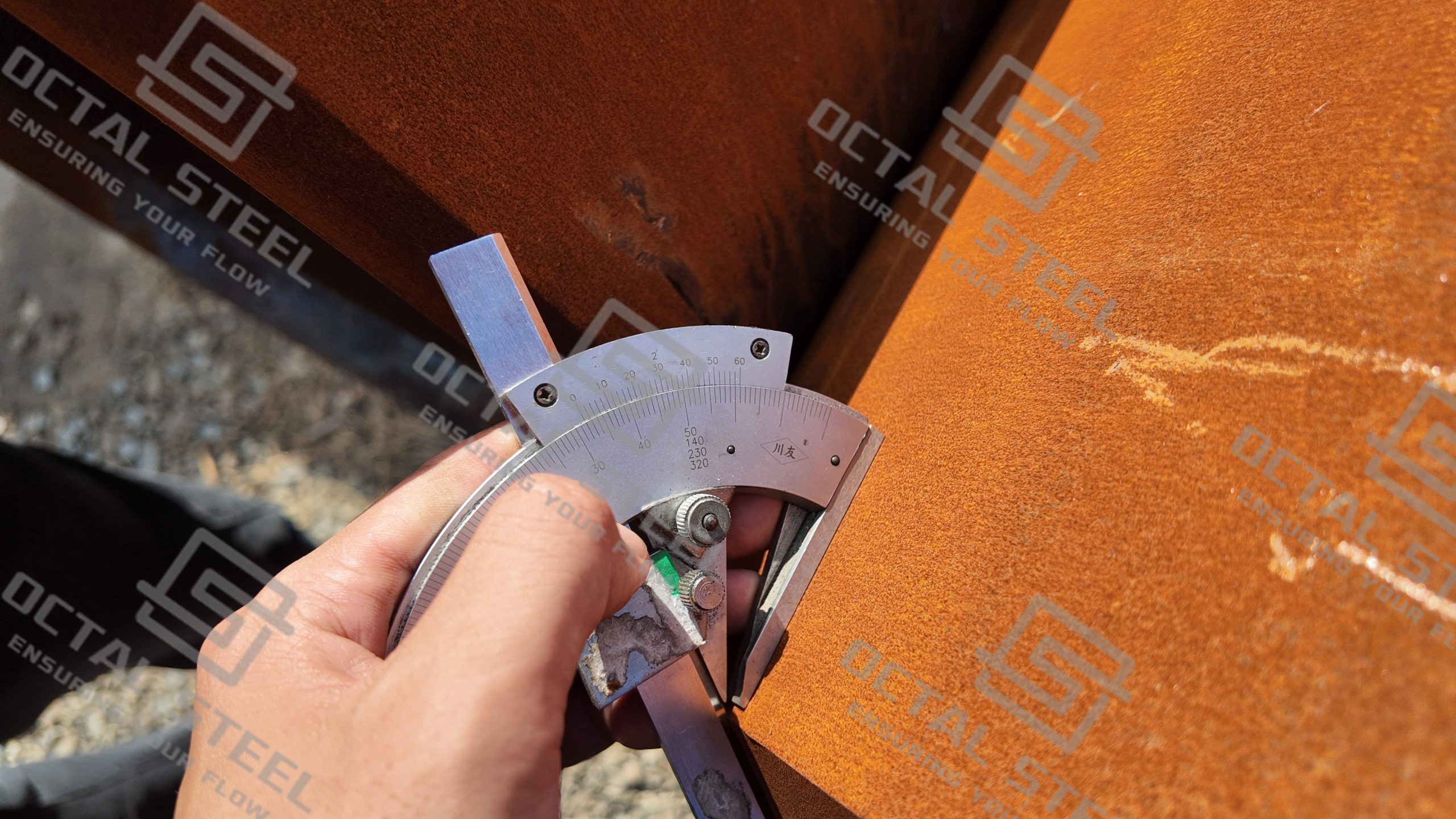
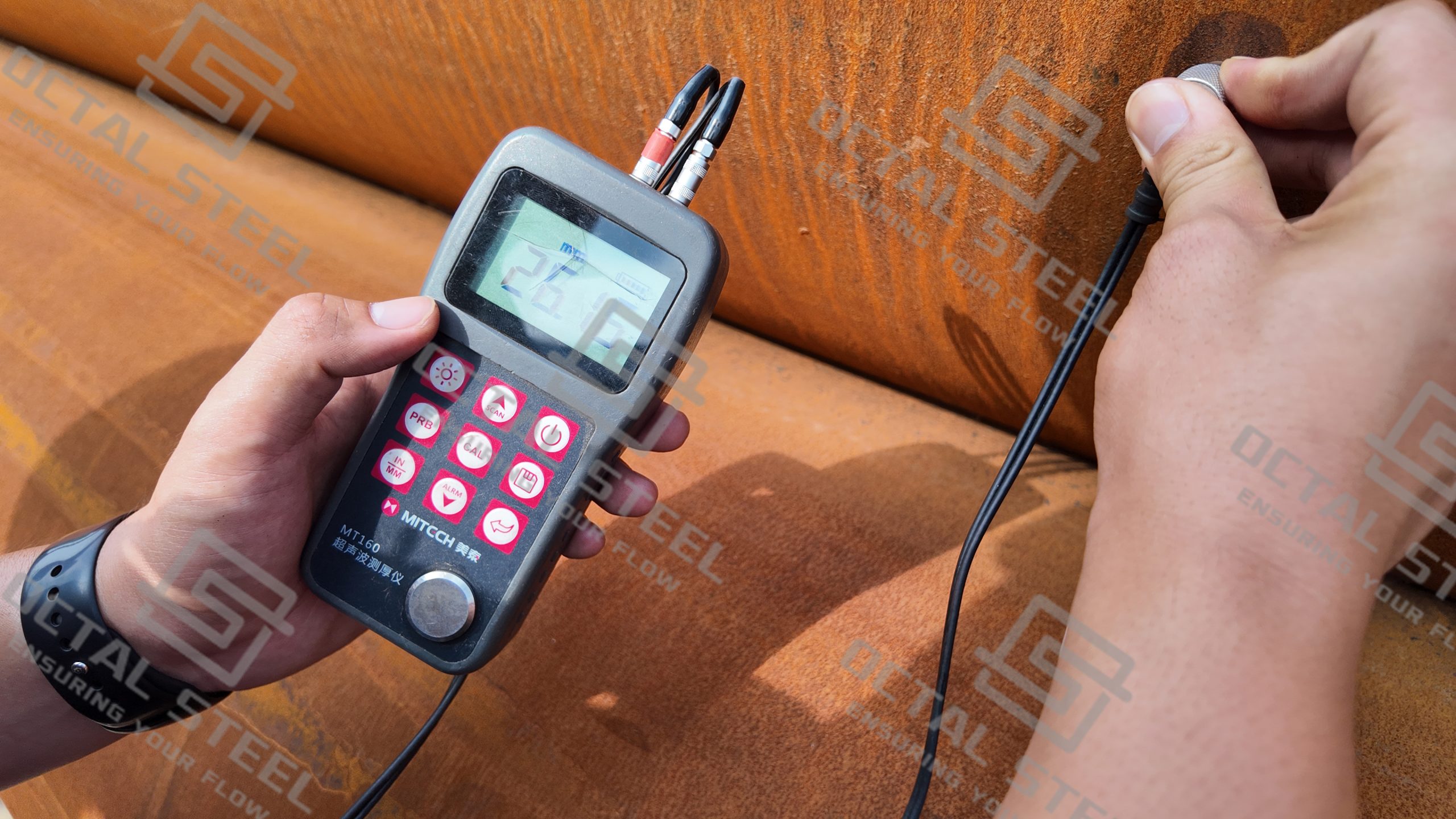
Manufacturing capability also involves controlling the dimensions of finished pipes. Octal Steel supplied 42-inch API 5L X56 PSL2 welded pipes for a project delivered to Batam Port, Indonesia. The pipes had an outside diameter of 1,066.8 mm and a wall thickness of 50.8 mm, with project-specified ovality controlled within 4 mm. These requirements illustrate the dimensional control involved in manufacturing large-diameter, heavy-wall line pipe.
For orders involving large quantities or multiple specifications, production planning must account for raw material availability, manufacturing capacity, inspection requirements and the agreed delivery sequence. Coordinating these factors helps organize production around actual project requirements rather than treating every specification as an independent order.
API 5L Pipe Quality Inspection and Third-Party Verification
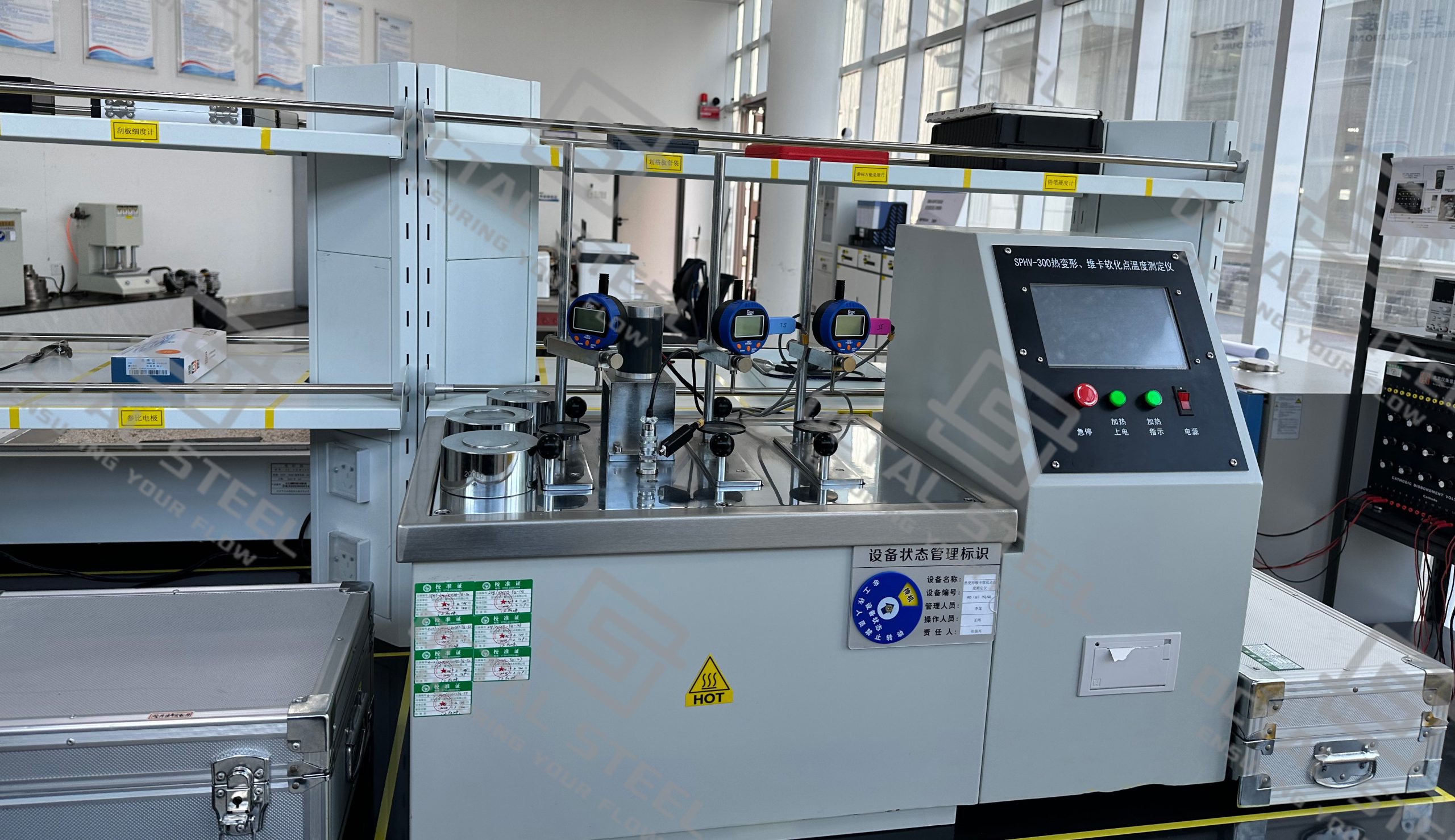
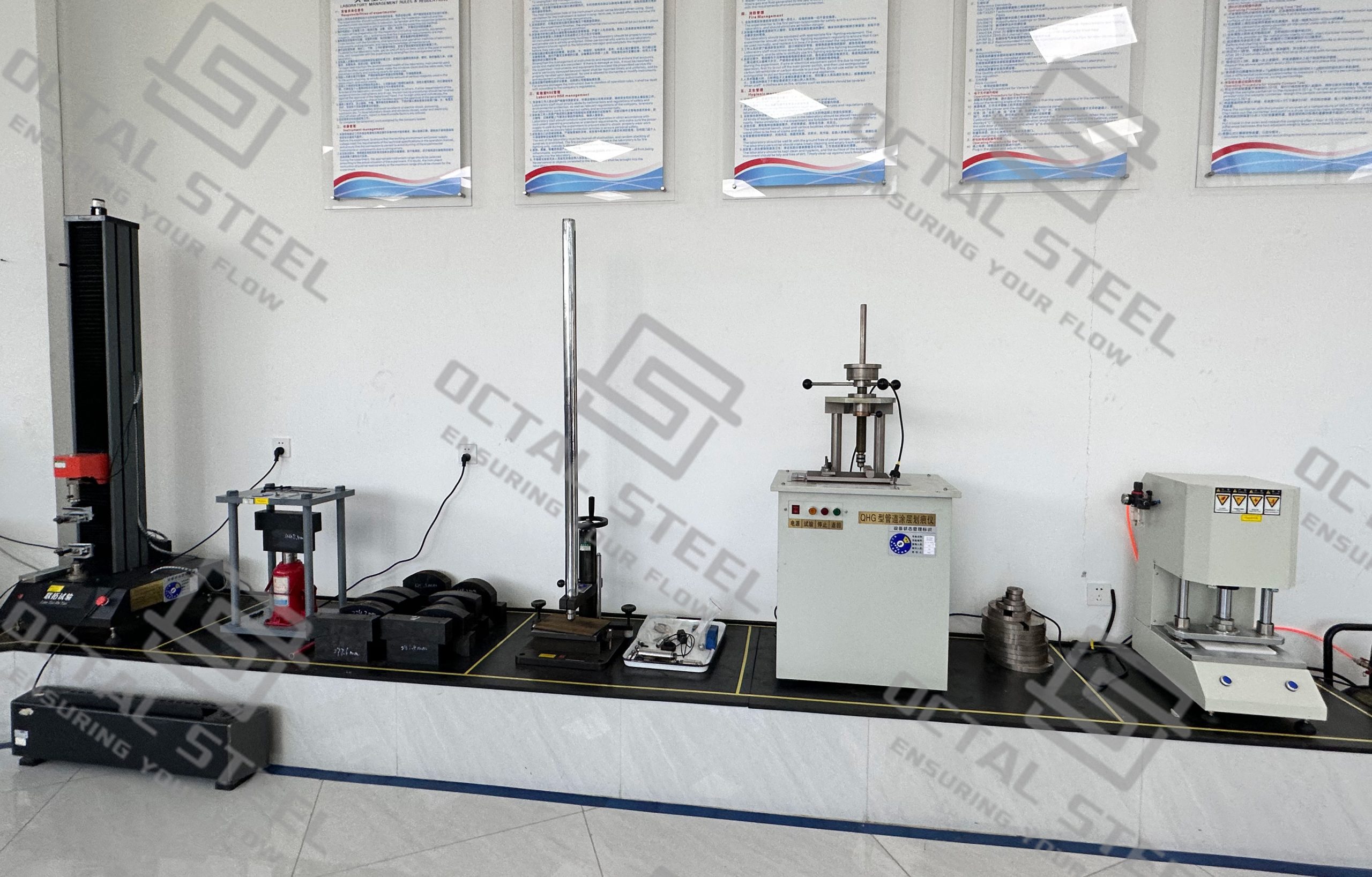
API 5L line pipe quality inspection covers material properties, pipe dimensions, weld integrity and pressure testing, with the required checks depending on the steel grade, PSL level, manufacturing process and project specifications. For pipeline buyers, the key is to ensure that the supplied pipes meet the specified acceptance criteria and that the inspection results can be traced to the actual materials delivered.
| Inspection Item | Testing or Verification Method | Purpose |
|---|---|---|
| Chemical Composition | Product or heat analysis according to the applicable requirements | Verify material composition and relevant carbon equivalent limits |
| Mechanical Properties | Tensile testing and other required mechanical tests | Confirm yield strength, tensile strength and elongation |
| Impact Toughness | Charpy V-notch testing where required | Verify specified toughness at the required test temperature |
| Weld Integrity | Ultrasonic, radiographic or other applicable NDT methods | Identify relevant weld discontinuities |
| Pipe Body Inspection | Applicable NDT and visual examination | Verify pipe body quality according to the specification |
| Hydrostatic Testing | Hydrostatic test under specified conditions | Verify satisfactory completion of the required pressure test |
| Dimensional Inspection | Measurement of OD, wall thickness, length, ovality and pipe-end geometry | Confirm dimensional conformity and suitability for field assembly |
| Material Traceability | Heat numbers, pipe markings and manufacturing records | Match finished pipes with inspection results and material certificates |
The inspection scope depends on the pipe type and project requirements. Chemical analysis and tensile testing verify material composition and strength, while impact testing is required where specified. Welded pipes require the applicable weld examination, and dimensional checks confirm that outside diameter, wall thickness, length and pipe-end geometry meet the specified tolerances. Hydrostatic testing and other required non-destructive testing must also follow the applicable requirements. For sour-service applications, additional testing such as HIC or SSC testing may be specified.
BV, SGS and Independent Third-Party Inspection
Octal Steel supports independent third-party inspection through organizations such as Bureau Veritas (BV), SGS and other qualified inspection agencies, according to the customer’s requirements. The agreed inspection scope can include material certificate review, dimensional measurements, product identification, quantity verification and witnessing of specified tests. For large international orders, this provides an additional level of verification before shipment.
A natural gas pipeline project in Argentina involved API 5L X52/X70 line pipes, ASTM A106 Grade B seamless pipes and related pipeline components. The project included BV third-party verification covering dimensional measurements, product identification, quantity checks and document review. When an order includes different pipe grades and product types, these checks help verify that the supplied materials correspond to the specified quantities and project requirements.
Document review also needs to be supported by traceable material records. Mill test certificates (MTCs), inspection reports, pipe markings and heat numbers provide the link between the delivered pipes and their inspection results. Where specified by the contract, EN 10204 Type 3.1 or Type 3.2 documentation can also form part of the quality documentation package, giving the buyer a clearer basis for checking material compliance and completing receipt inspection.
Export Logistics and On-Time Delivery
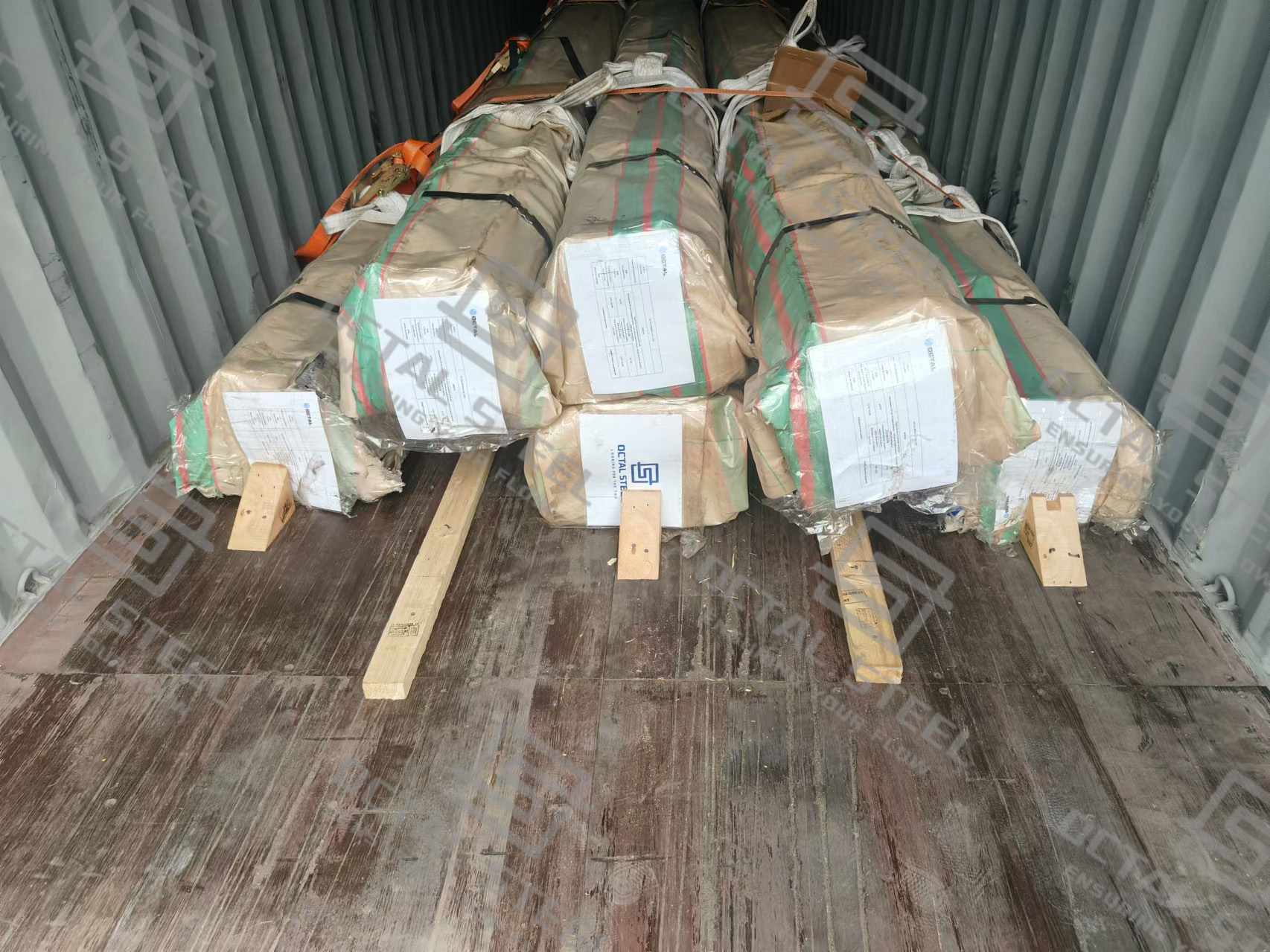
Reliable delivery of API 5L line pipe requires coordination between manufacturing, inspection, coating, packaging and transportation. For large-volume orders, these activities need to be aligned with the required delivery dates, destination port and project installation schedule. Delays at any stage can affect material arrival and disrupt pipeline construction.
Octal Steel coordinates transportation from manufacturing facilities and storage yards in China to export ports. Manufacturing facilities located near major ports help reduce inland transportation distances and simplify export arrangements. Transport planning also takes pipe dimensions and cargo weight into account. For large-diameter and heavy-wall pipes, suitable lifting equipment, pipe supports and cargo-securing methods are necessary to protect the pipes during loading and transit.
Pipe protection is equally important during transportation. Suitable packaging, pipe-end protection and careful handling help prevent damage to bevels, external coatings and pipe surfaces during loading, transit and unloading. For projects requiring phased deliveries, shipment quantities can be coordinated with construction milestones, while pipe markings, packing lists and inspection documents are kept consistent with each shipment.
What to Look for in a Reliable API 5L Pipe Supplier
Choosing an API 5L pipe supplier involves assessing the risks that may arise between order placement and final delivery. A competitive quotation is only useful when the proposed supply arrangement matches the project’s technical requirements and commercial expectations. Differences in manufacturing scope, inspection arrangements or delivery commitments can affect the actual cost and feasibility of an order.
| Evaluation Criteria | What to Verify |
|---|---|
| Product Specifications | Steel grade, PSL level, outside diameter, wall thickness, manufacturing process and coating requirements. |
| Manufacturing Capability | Suitable production facilities, available capacity, raw material supply and the ability to meet required quantities. |
| Quality and Inspection | Required testing, third-party inspection arrangements, material certificates and traceability records. |
| Stock and Delivery | Actual stock availability, production lead time, packaging, port access and shipment schedule. |
| Quotation and Terms | Total supply cost, inspection and coating charges, delivery terms and agreed documentation. |
Download:API 5L Line Pipe Selection and Procurement Reference
The most suitable API 5L pipe supplier should be able to meet the project’s technical requirements while providing a clear and workable supply plan. For orders involving multiple grades, sizes or delivery batches, the quoted quantities, inspection scope and delivery arrangements should be clearly defined to ensure consistency between the agreed supply scope and the materials ultimately delivered.
FAQ
Q:How can buyers verify an API 5L pipe supplier?
A:Buyers should verify the actual manufacturing mill’s capability, relevant API Monogram license and authorized product scope when API-monogrammed pipe is specified. Material test certificates, heat-number traceability, inspection records and confirmed production or stock arrangements should also match the purchase specification.
Q: What should buyers check before purchasing API 5L pipe from stock?
A:Confirm that the available pipes match the required grade, PSL, dimensions, manufacturing route and delivery condition. Check the corresponding material certificates, heat numbers, required test records and physical condition, including pipe ends and coatings. Stock availability alone does not establish compliance with the project specification.
Q:Does Octal Steel have an overseas warehouse for API 5L pipe supply?
A:Yes. Octal Steel operates a warehouse in Nigeria to support regional supply for customers in Nigeria and surrounding West African markets. Local dispatch depends on whether the required grade, dimensions and quantity are available. Larger orders or specifications not held locally can be coordinated through manufacturing facilities in China.
Q:When should third-party inspection be arranged for API 5L pipe orders?
A:Third-party inspection by BV, SGS or another agreed agency should be planned early enough to accommodate the required inspection scope and witness or hold points. Buyers should confirm the applicable tests, document review, inspection stages and acceptance criteria before production begins or stocked material is released for shipment.


Tags:API 5L pipeCarbon Steel PipeLine PipeLSAW pipeSeamless pipe
Related Products
Related Resources
Recent Faqs
Rencent Articles
Hot Topic
Custom Posts

Octal is located in China recognized as a leading supplier, distributor, and manufacturer union in providing piping solutions for oil and gas company. Product ranges in Steel Pipe, Casing and Tubing, Steel Plate, Sucker Rod, Steel Pipe Fittings, Valves, and Equipment for pipelines.
Contact Info
Unit 2544, 25/F, Tower A, Wanda Plaza, Wenfeng District, Anyang, Henan, China & Building A, No.18 Dirun Road, Zhengdong New District, Zhengzhou, Henan, China
+86 372 2157660 / +86 186 3727 1277
[email protected]