Your Responsible Supplier Partner for Oil and Gas Products.

Octal Steel Builds Stronger Ties in Angola at AOG 2026
Octal Steel Builds Stronger Ties in Angola at AOG 2026
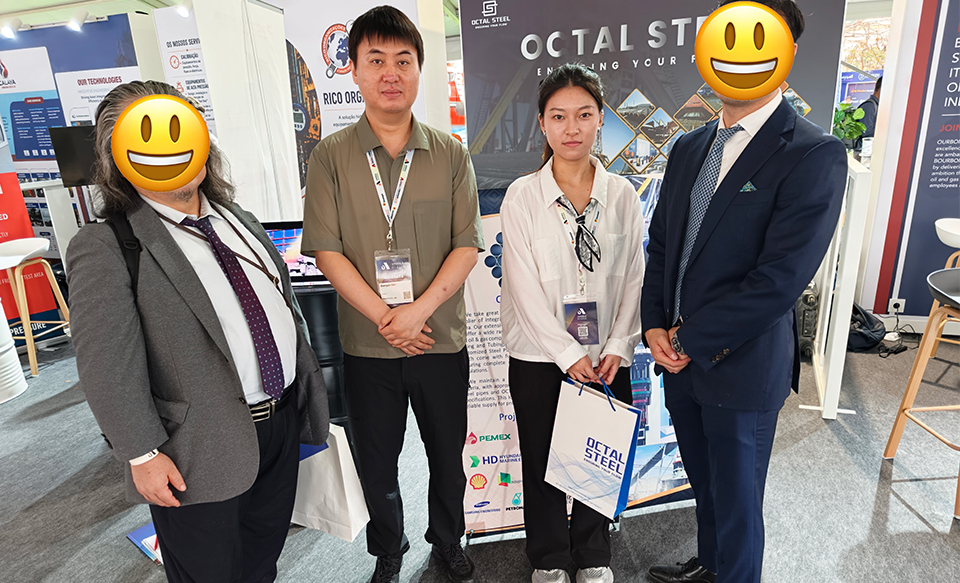
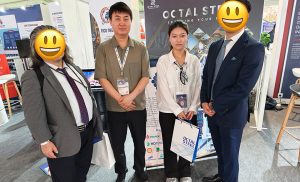
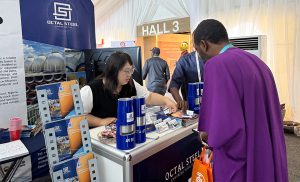
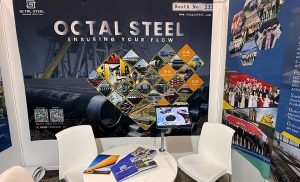
Octal Steel participated in the Angola Oil & Gas Conference and Exhibition (AOG) 2026, held on September 9–10 at the Talatona Convention Centre in Luanda. With OCTG casing and tubing as our main product focus, our team combined product presentations with visits to fellow exhibitors and discussions on oilfield requirements.
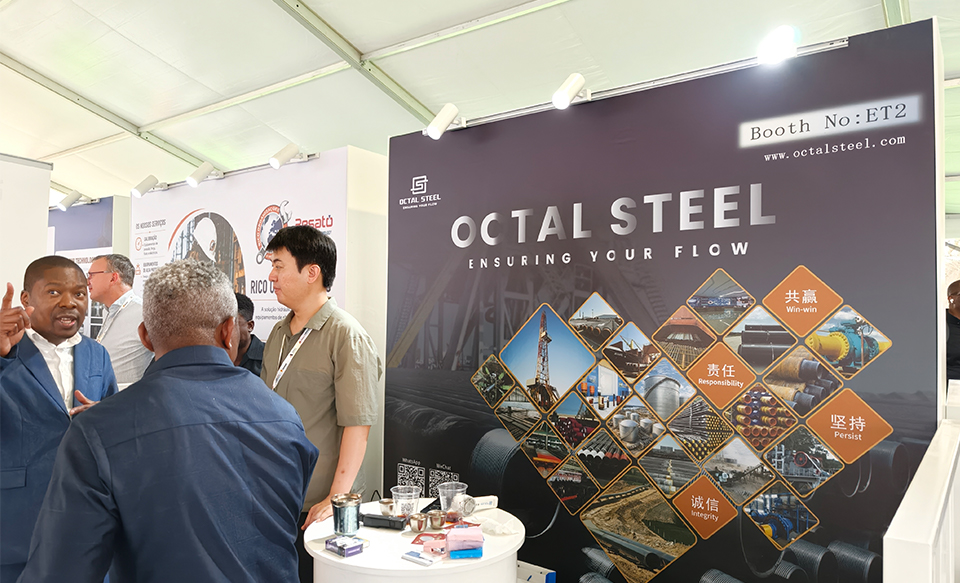
Angola’s Oil and Gas Opportunities
Angola’s offshore oil industry continues to create opportunities around new developments, exploration and the continued operation of producing fields. Deepwater projects make well integrity, equipment compatibility and coordinated supply particularly relevant to the materials used in drilling and completion.
Natural gas is also becoming an increasingly important part of the market. The start of gas deliveries from the Quiluma field in March 2026 marked progress in developing dedicated gas resources, with treatment facilities in Soyo supplying Angola LNG for export and domestic consumption. This development connects offshore production with investment in processing and transportation infrastructure.
An Industry Meeting Point in Luanda
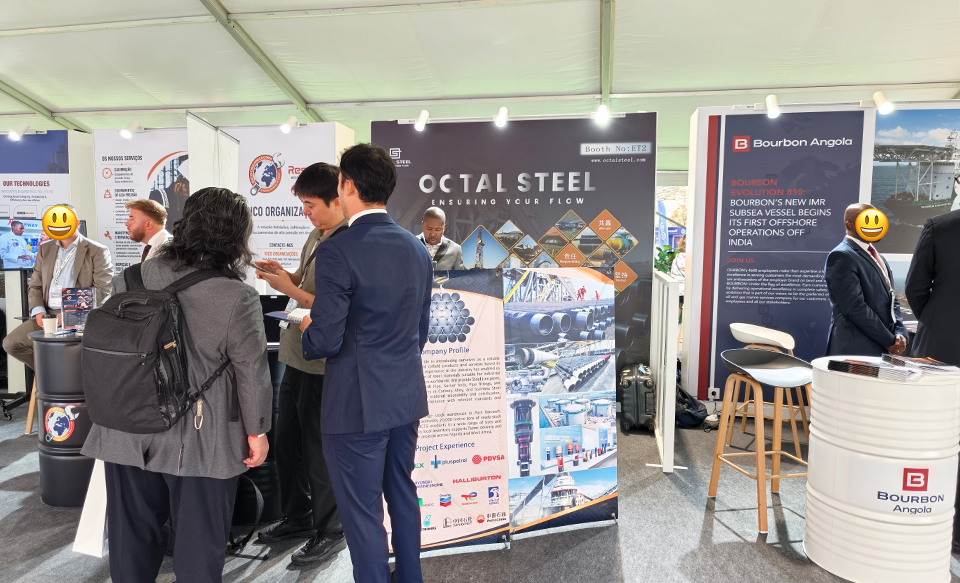
The seventh edition of AOG brought together government institutions, international operators and service companies. Participating organisations included Sonangol, TotalEnergies, Chevron, ExxonMobil and Azule Energy, providing a setting for exchanges across exploration, production and project services.
At the opening, government representatives reaffirmed the energy sector’s role in Angola’s economic development. Discussions covered investment, domestic refining and offshore opportunities, placing equipment and material supply within the wider development of the country’s energy industry.
OCTG for Well Construction and Production
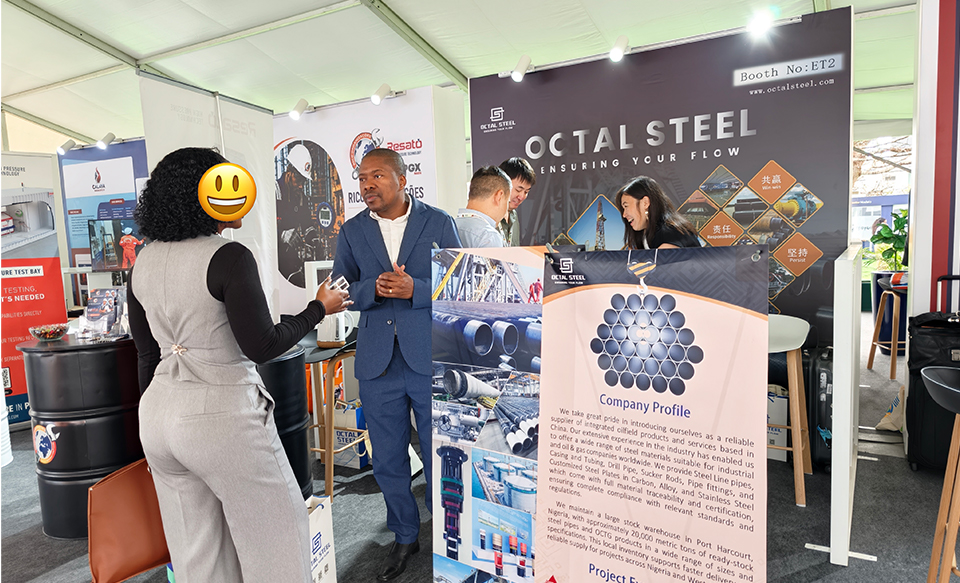
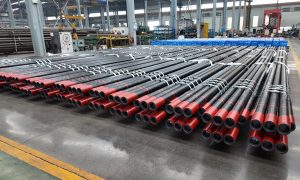
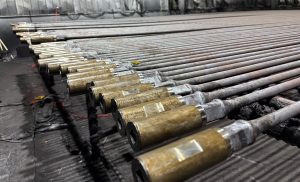
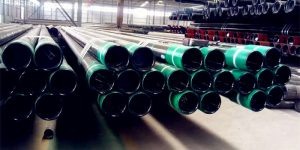
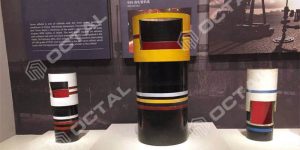
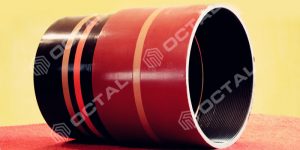
Our product presentation centred on the different duties of casing and tubing. Casing supports the wellbore and works with cement to help isolate formations; tubing provides the production conduit inside the completed well.
We emphasised the importance of reviewing dimensions, material grades and connections alongside pressure, temperature and corrosion exposure. API 5CT establishes manufacturing requirements for casing and tubing, while suitability for a particular well depends on its design and service conditions.
Our aim was to explain how product specifications, inspection records and material traceability support clear procurement and acceptance requirements.
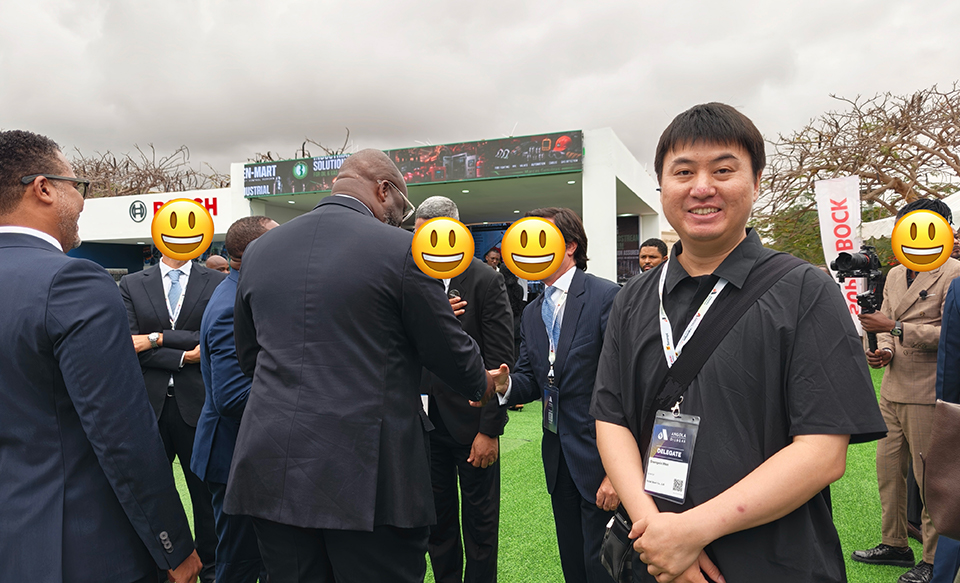
Exchange Beyond Our Own Booth
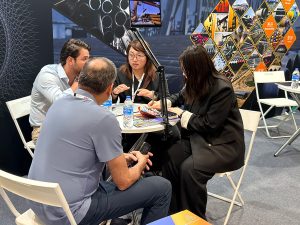
Our work extended beyond introducing Octal Steel’s products. We visited other exhibitors, learned about their equipment and services, and exchanged views on technical questions relevant to oilfield operations.
These conversations provided an opportunity to consider OCTG within the wider well construction and production system. Product compatibility, inspection documentation and coordination between suppliers were useful areas for professional exchange.
Combining booth reception with exhibitor visits also helped us understand different perspectives across the supply chain and establish contacts for further communication.
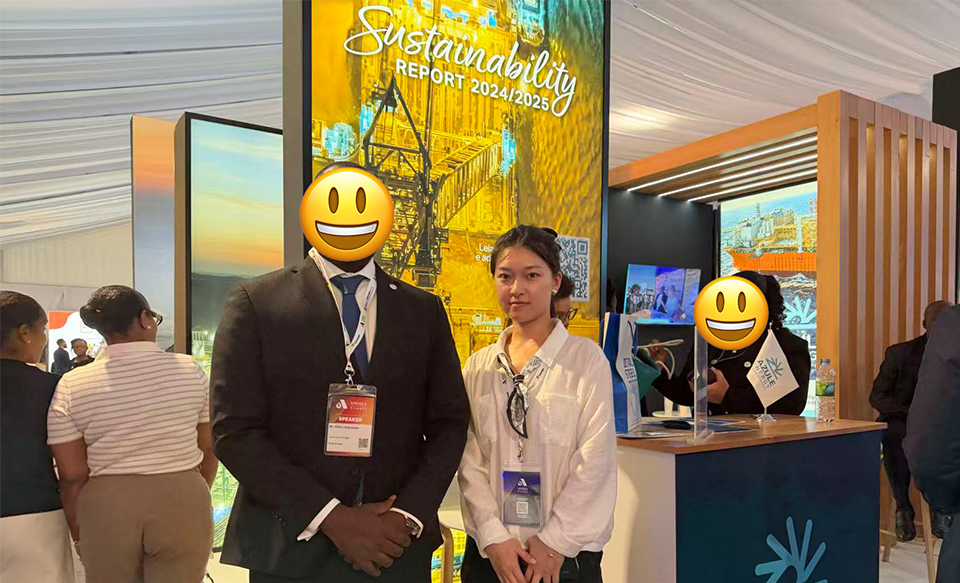
Lessons from AOG 2026
AOG reinforced the value of understanding how our products fit into the complete project. Technical dialogue with other industry participants helps identify questions early and makes subsequent specification reviews more focused.
We return from Luanda with a clearer understanding of Angola’s market and new connections to develop through continued exchange. Octal Steel will carry this experience into more precise product communication and practical support for future oil and gas enquiries.
FAQ:
Q: What is the difference between casing and tubing in OCTG?
A: Casing supports and isolates the wellbore, while tubing carries production fluids to the surface.
Q: Why is drift testing important for OCTG?
A: Drift testing verifies internal clearance for downhole tools and completion equipment, helping prevent installation problems.
Q: When are premium OCTG connections required?
A: Premium connections may be needed for demanding gas-tight sealing, high-pressure and high-temperature service, or high-torque applications.
Q: How should OCTG be specified for corrosive well conditions?
A: Specify the fluid composition, H₂S or CO₂ exposure, temperature, pressure and applicable sour-service requirements before selecting the material grade.
Q: What should be checked before OCTG shipment?
A: Verify dimensions, grade and connection markings, thread protection, coupling condition, inspection records and heat-number traceability against the purchase order.


Tags:API 5CT Casing and TubingOCTG pipeOil and Gas
Related Products

Related Resources


Octal is located in China recognized as a leading supplier, distributor, and manufacturer union in providing piping solutions for oil and gas company. Product ranges in Steel Pipe, Casing and Tubing, Steel Plate, Sucker Rod, Steel Pipe Fittings, Valves, and Equipment for pipelines.
Contact Info
Unit 2544, 25/F, Tower A, Wanda Plaza, Wenfeng District, Anyang, Henan, China & Building A, No.18 Dirun Road, Zhengdong New District, Zhengzhou, Henan, China
+86 372 2157660 / +86 186 3727 1277
[email protected]