Your Responsible Supplier Partner for Oil and Gas Products.

Drill Pipe Solutions on Display: Octal Steel at OTC 2026
Drill Pipe Solutions on Display: Octal Steel at OTC 2026
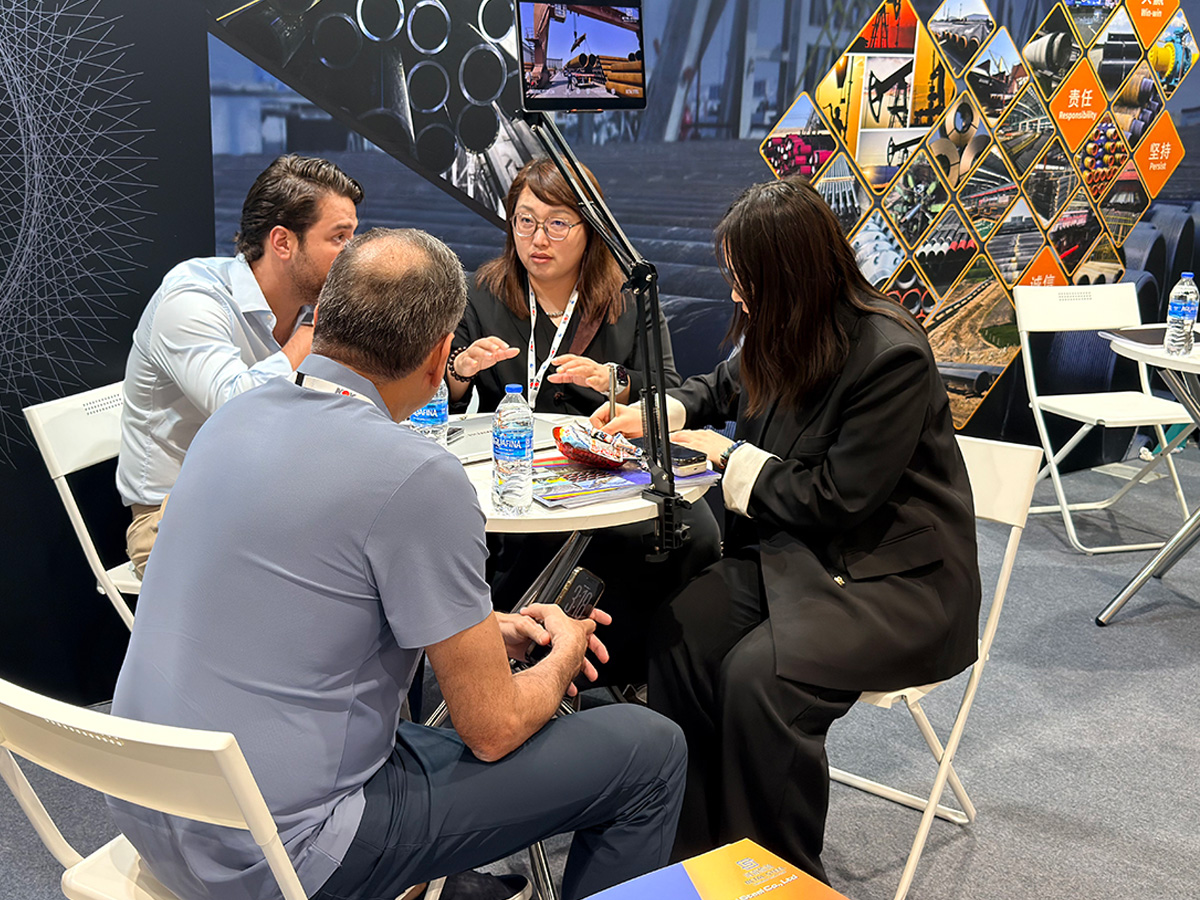
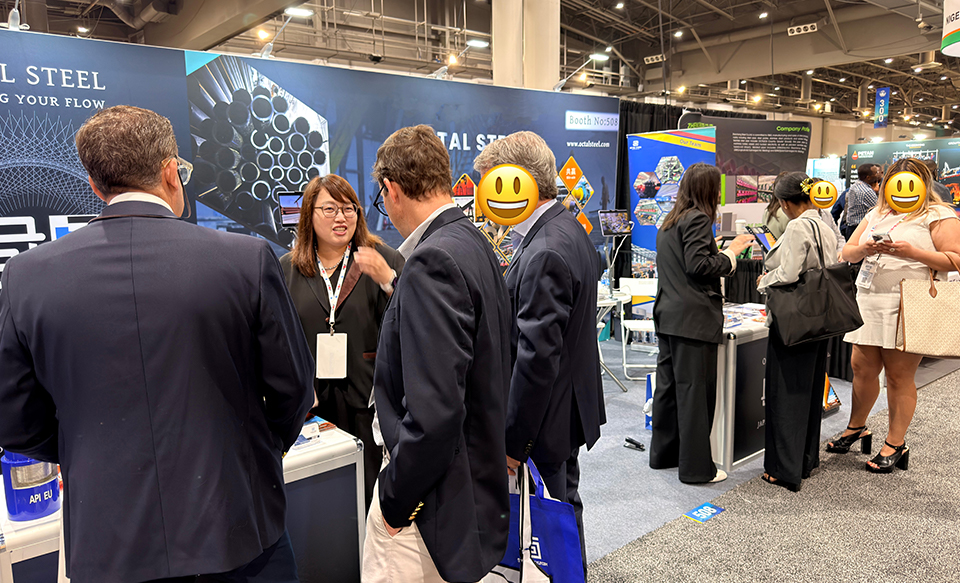
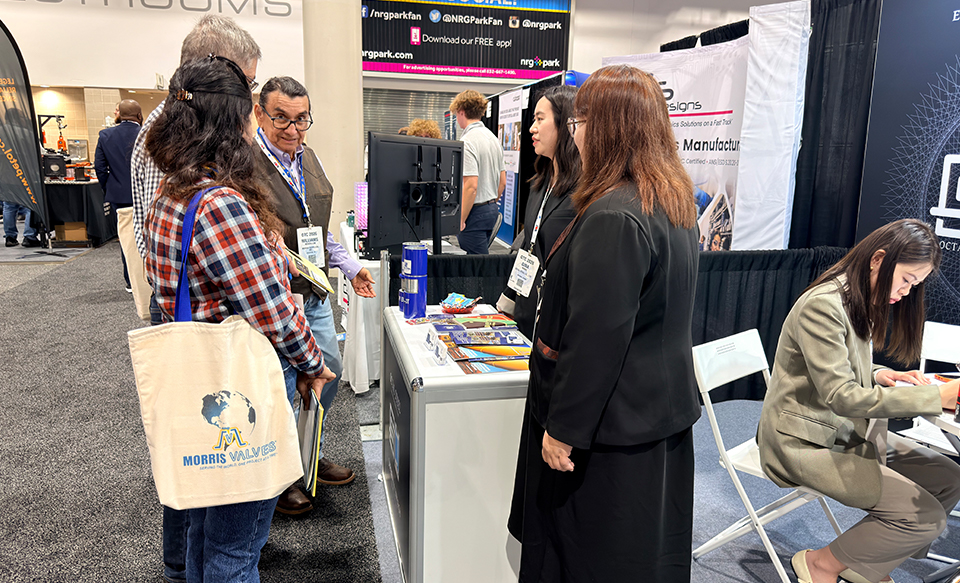
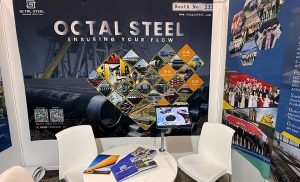
Octal Steel participated in the 2026 Offshore Technology Conference (OTC), held from May 4 to 7 in Houston, Texas. Our exhibition featured drill pipe, line pipe, coated steel pipe, casing and tubing, and pipe fittings for oil and gas projects, with drill pipe as the main focus.
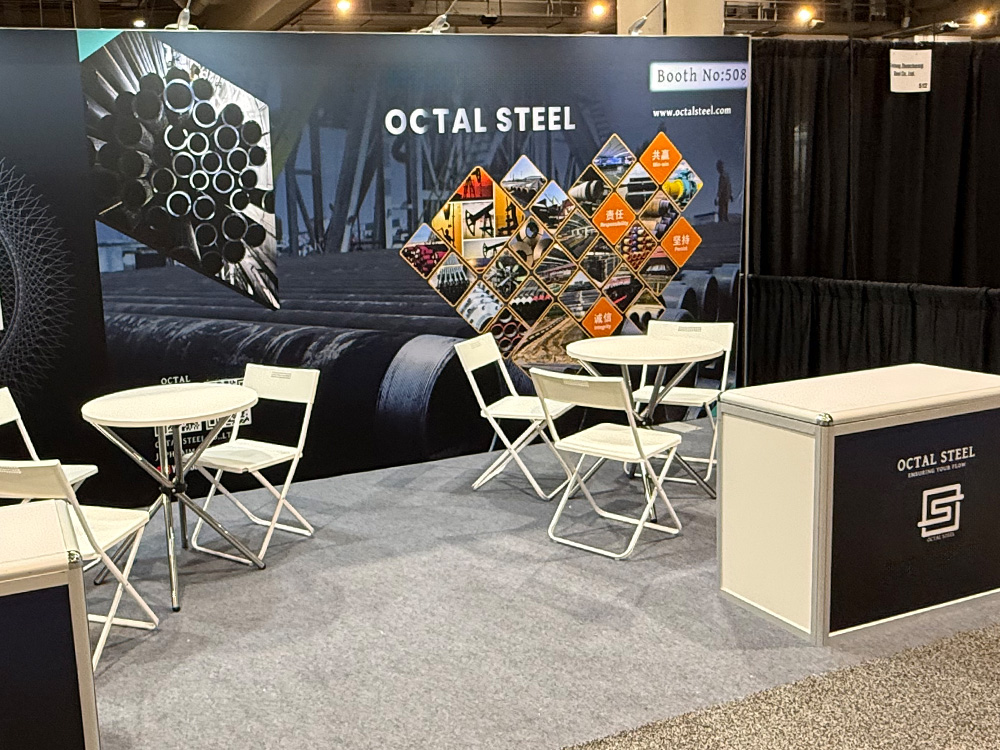
A Global Meeting Place for Offshore Technology
Established in 1969, OTC brings together professionals working across offshore exploration, drilling, production and infrastructure. The 2026 Houston event attracted nearly 25,000 attendees from more than 100 countries, with nearly 1,000 exhibiting companies. Its technical programme connected equipment development with the operating challenges facing offshore projects.
For Octal Steel, the exhibition provided an opportunity to present our products within this wider technical setting and better understand requirements across different offshore markets.
Drill Pipe as Our Main Exhibition Focus
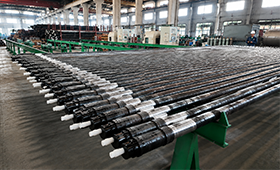
Drill pipe transmits torque and circulates drilling fluid through the drill string while carrying tensile, torsional and bending loads. In offshore drilling, its suitability depends on the combined performance of the pipe body, tool joints and connections under the planned operating conditions.
Our presentation focused on these relationships. Pipe dimensions and strength grade must be considered alongside connection compatibility, hydraulic requirements and repeated loading. A higher strength grade alone does not establish whether a drill pipe configuration suits a particular well.
API 5DP specifies technical delivery requirements for steel drill pipe with upset pipe-body ends and welded tool joints. This provided a reference for explaining product construction and the importance of manufacturing and inspection documentation.
We also highlighted material traceability, thread protection and handling requirements as practical considerations when preparing drill pipe for shipment and subsequent use.
Products Supporting the Wider Project
Alongside drill pipe, our display covered steel products used throughout well development and fluid transportation.
Casing and tubing serve well construction and production duties, while line pipe carries fluids between facilities. Coated steel pipe addresses project-specific protection requirements, and pipe fittings provide changes in direction, branches and transitions within piping systems.Presenting these products together allowed us to explain their different functions and supply requirements. Each product needs its own review of materials, dimensions, connections, inspection and protection during transport.
Turning Exhibition Exchanges into Practical Follow-up
Our work at OTC centred on introducing product applications, explaining supply scope and discussing the information needed to review enquiries. The aim was to connect product specifications with intended service conditions and clarify questions requiring further technical assessment.
The experience reinforced the importance of looking beyond an individual product designation. For drill pipe, the pipe body and connection must be assessed together; across the wider project, documentation and delivery planning also influence how smoothly materials can be received and put into service.
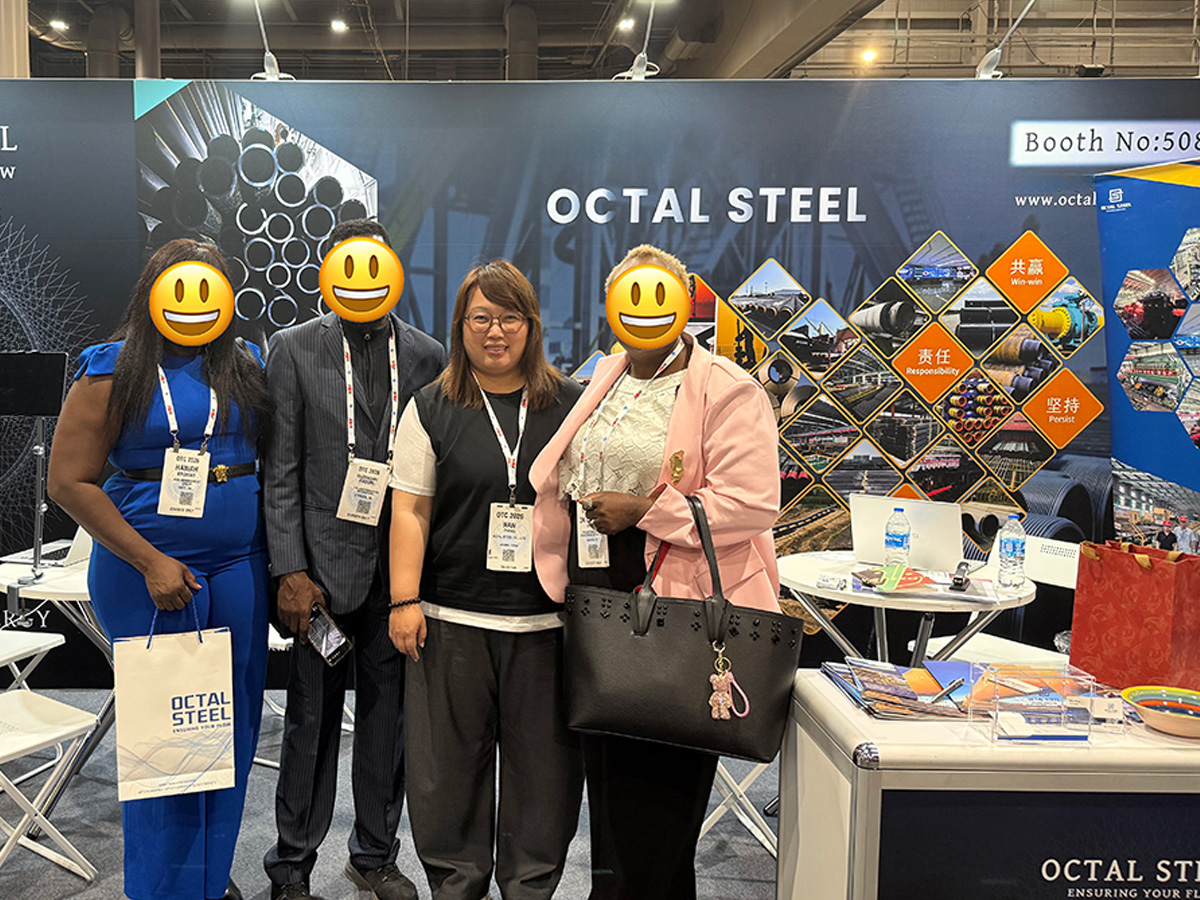
We thank everyone who visited Octal Steel during OTC 2026. We look forward to continuing these conversations and meeting you at future exhibitions.
FAQ:
Q: How do you select the correct drill pipe connection for a drilling project?
A: Match the connection type and dimensions to the drill string, required torque, make-up specifications and existing downhole equipment.
Q: What is the difference between E75, X95, G105 and S135 drill pipe?
A: These grades have different specified minimum yield strengths. Grade selection must account for tensile loads, torque, fatigue and the planned drilling conditions.
Q: What inspections are important when purchasing new drill pipe?
A: Check dimensions, mechanical properties, tool joint connections, weld-zone inspection, applicable NDT and material traceability against API 5DP and the purchase specification.
Q: What causes premature drill pipe failure?
A: Common contributors include cyclic fatigue, corrosion, excessive bending, connection damage and inadequate control of operating loads.
Q: What should buyers check when purchasing used drill pipe?
A: Review remaining wall thickness, tool joint wear, thread condition, inspection classification, repair history and traceable inspection reports.


Tags:API 5DP drill pipeDrill PipeOil and Gas
Related Products
Related Resources







Octal is located in China recognized as a leading supplier, distributor, and manufacturer union in providing piping solutions for oil and gas company. Product ranges in Steel Pipe, Casing and Tubing, Steel Plate, Sucker Rod, Steel Pipe Fittings, Valves, and Equipment for pipelines.
Contact Info
Unit 2544, 25/F, Tower A, Wanda Plaza, Wenfeng District, Anyang, Henan, China & Building A, No.18 Dirun Road, Zhengdong New District, Zhengzhou, Henan, China
+86 372 2157660 / +86 186 3727 1277
[email protected]