Your Responsible Supplier Partner for Oil and Gas Products.

What Is Steelwork?
What Is Steelwork?
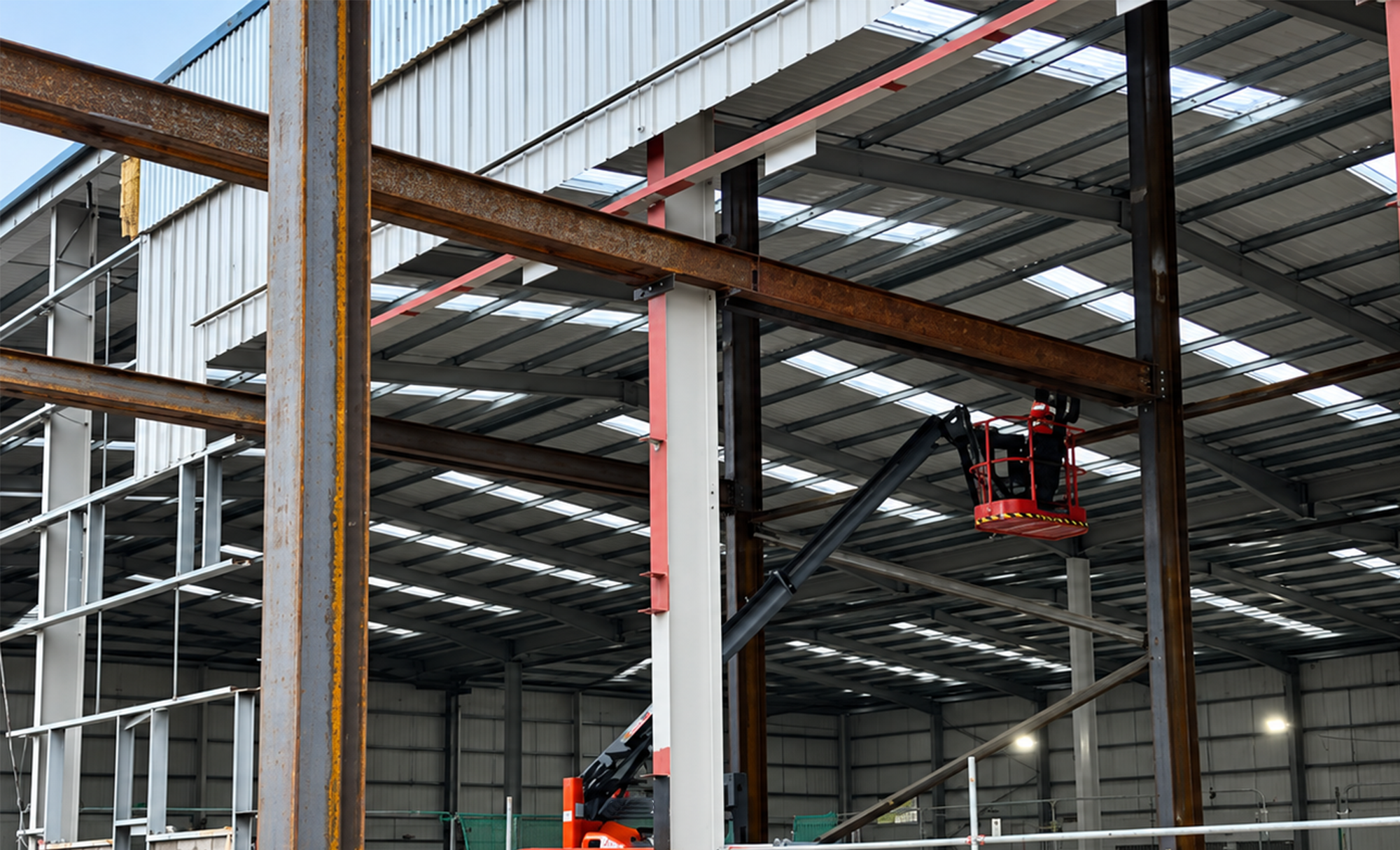
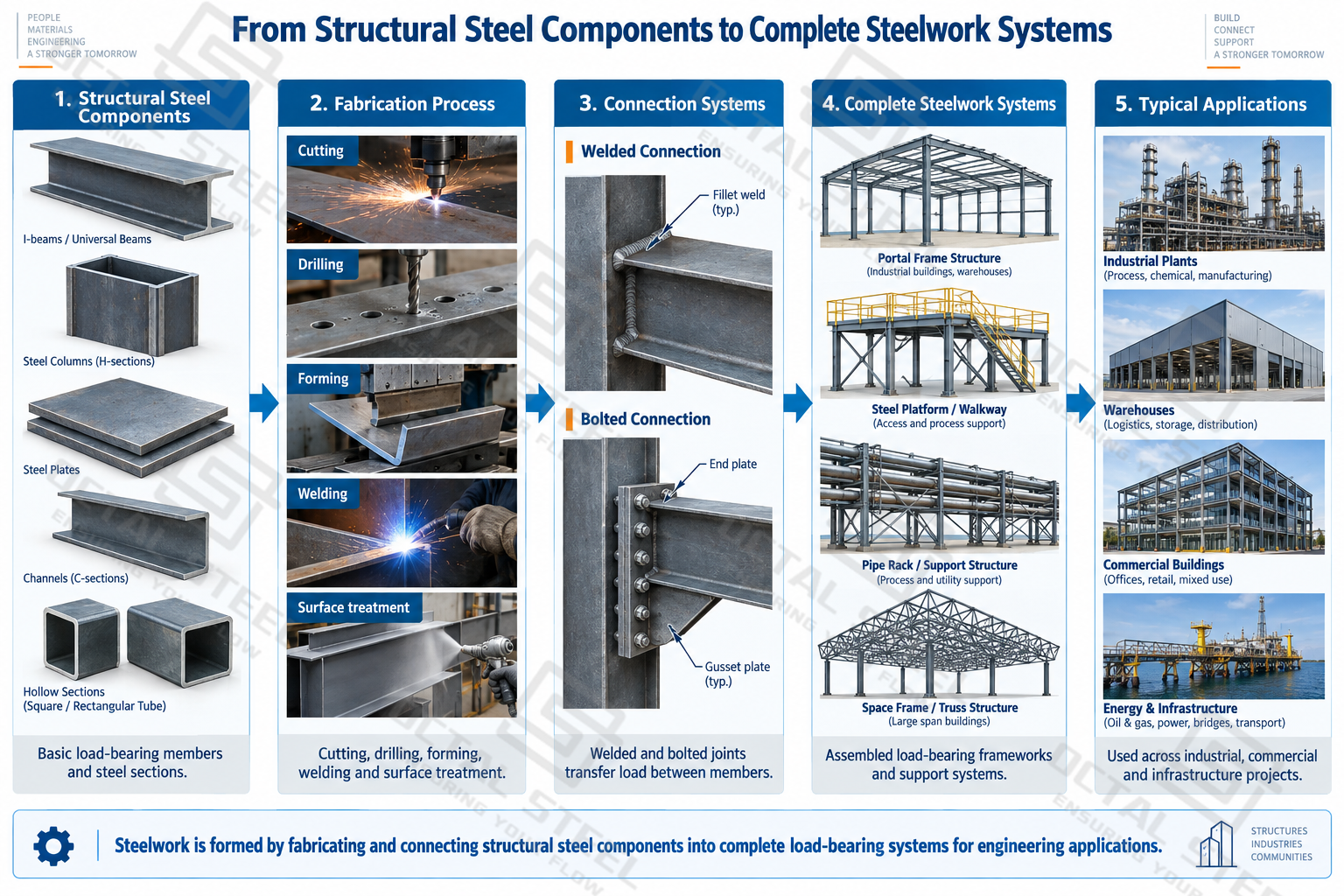
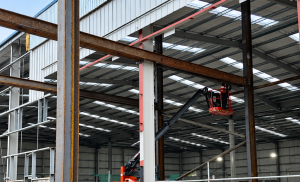
Steelwork refers to fabricated structural assemblies formed by processing and assembling steel components into load-bearing structures for industrial, commercial and infrastructure projects. These assemblies are produced from structural steel members, including beams, columns, plates, channels and hollow sections, through processes such as cutting, forming, machining, welding and connection assembly according to specific project requirements.
Each structural member performs a specific function within the overall system. Beams are designed to transfer horizontal loads, columns carry vertical forces, and connection systems integrate individual components into a stable structural framework. Through this coordinated arrangement, steelwork can be configured for various applications, including industrial facilities, warehouses, commercial buildings, bridges and energy infrastructure.
What Are the Main Types of Steelwork Structures?
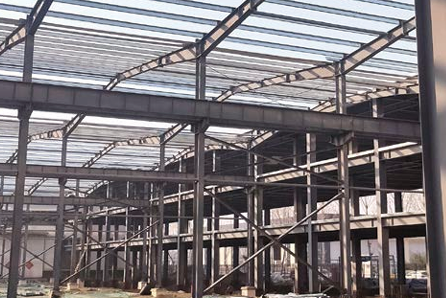
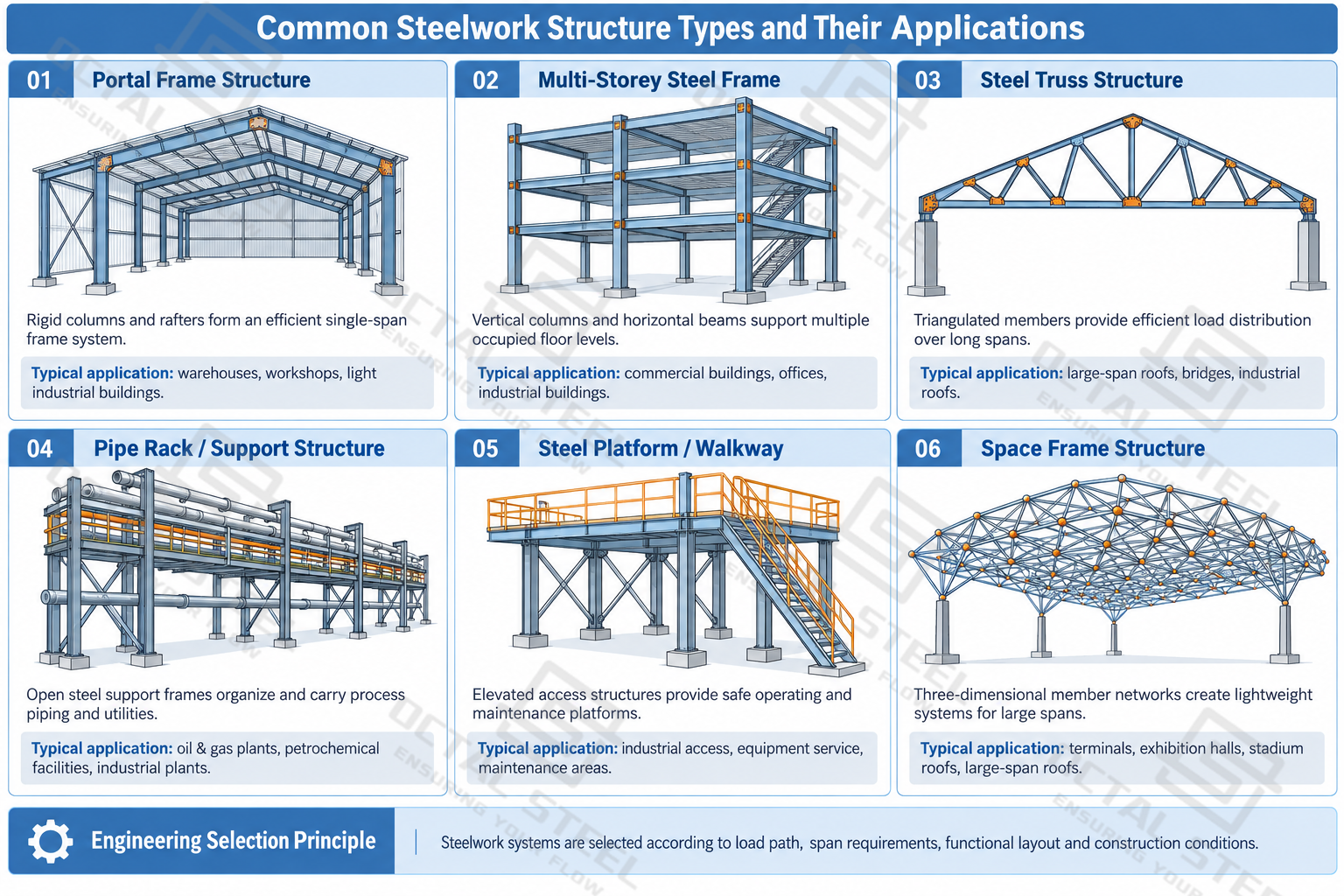
Steelwork structures are designed according to different engineering requirements, including load capacity, structural span, stability requirements and operating conditions. Although all steelwork systems are based on structural steel components, their configurations vary depending on how loads need to be supported and transferred.
Different arrangements of beams, columns, trusses, bracing members and connection systems create different types of steel structures. Each configuration has specific advantages and is selected according to the requirements of the project.
| Steelwork Structure | Typical Configuration | Main Characteristics | Typical Applications |
|---|---|---|---|
| Steel Frame Structures | Steel columns, beams and connection systems | Primary load-bearing systems that transfer vertical and horizontal loads through connected structural members. | Industrial buildings, commercial facilities, warehouses |
| Structural Steel Beams | H-beams, welded beams and plate girders | Designed to resist bending loads and transfer forces across structural spans. | Floors, platforms, bridges and supporting structures |
| Steel Columns | H-sections, box sections and tubular sections | Vertical load-bearing members that transfer structural forces to foundations. | Buildings, plant structures and heavy-duty supports |
| Steel Trusses | Triangular trusses, tubular trusses and open-web trusses | Provide efficient load distribution with high strength-to-weight performance for large spans. | Roof systems, large-span buildings and industrial structures |
| Steel Bracing Systems | Cross bracing, diagonal bracing and horizontal bracing | Improve structural stability by resisting lateral forces from wind, operation loads or seismic conditions. | Towers, industrial facilities and high-rise structures |
| Steel Platforms and Walkways | Grating platforms, stairs and support frames | Provide access areas and integrate with industrial steel structures. | Industrial plants, energy facilities and maintenance areas |
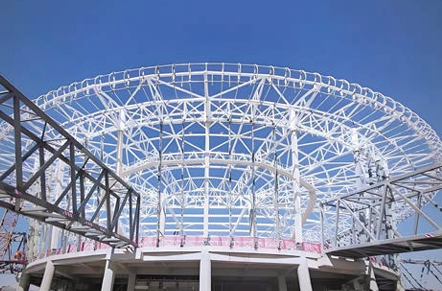
| Space Frame Structures | Tubular members and node connection systems | Three-dimensional lightweight structures designed for large-span applications. | Terminals, exhibition halls and large-span facilities |
These steelwork structures are usually integrated into a complete steel framework rather than designed as independent elements. The overall performance of a steel structure depends on how different members work together to transfer loads, maintain stability and meet functional requirements.
The selection of a suitable steelwork configuration depends on structural loads, span requirements, available space, fabrication methods, connection design and service conditions. Therefore, steelwork design involves not only selecting individual structural steel products, but also developing a coordinated structural system that provides reliable performance throughout its service life.
How Is Steelwork Manufactured and Installed?
Steelwork manufacturing starts with the selection of suitable structural steel materials and continues through fabrication, assembly, surface treatment and site installation. Unlike standard steel products supplied as individual sections, fabricated steelwork requires accurate processing to transform steel members into engineered structures that meet specific design requirements.
The selection of steel material depends on structural loading, fabrication requirements, environmental conditions and service life expectations. Common materials used in steelwork include carbon structural steel, high-strength structural steel and corrosion-resistant steel grades. These materials provide different combinations of strength, weldability and durability for various applications.
Material Selection for Steelwork
Structural steel used for steelwork is typically supplied in the form of beams, columns, plates, hollow sections and other steel profiles. Before fabrication begins, engineers select suitable materials according to mechanical properties, structural requirements and project conditions.
| Material Type | Main Characteristics | Typical Application |
|---|---|---|
| Carbon Structural Steel | Good strength, weldability and versatility for general structural applications | Buildings, warehouses and industrial structures |
| High-Strength Structural Steel | Higher strength-to-weight ratio for reducing structural weight | Large-span structures and heavy-duty applications |
| Weathering Steel | Improved atmospheric corrosion resistance through protective oxide layers | Outdoor structures and exposed steelwork |
| Stainless Steel | Excellent corrosion resistance in demanding environments | Chemical plants and special applications |
Steel Fabrication Process
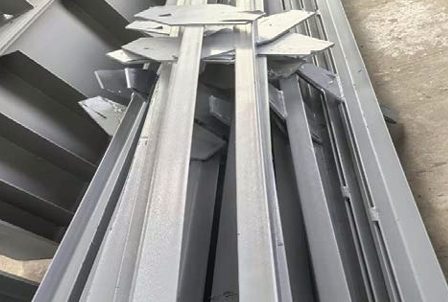
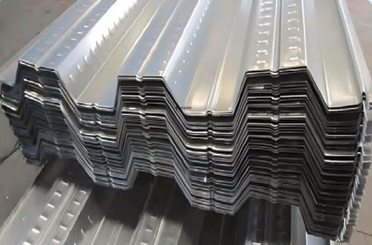
After material selection, structural steel sections are transformed into fabricated steel members through a series of controlled manufacturing processes. Unlike standard steel products supplied as individual profiles, steelwork fabrication requires precise cutting, machining, welding and assembly according to engineering drawings, connection requirements and project specifications.
Each fabrication stage has a direct impact on the final structural performance. Dimensional accuracy ensures that individual members can be properly assembled on site, while controlled welding, surface treatment and inspection processes help maintain connection reliability, corrosion resistance and long-term service performance.
The typical steel fabrication process includes:
| Fabrication Stage | Engineering Purpose |
|---|---|
| Material Inspection and Preparation | Confirm steel grade, dimensions and material traceability before processing |
| Cutting and Profiling | Produce required member sizes and structural shapes according to drawings |
| Drilling and Machining | Create accurate connection holes and interfaces for assembly |
| Welding and Fitting | Join steel members into fabricated structural assemblies |
| Surface Preparation and Coating | Improve corrosion protection and service durability |
| Dimensional Inspection | Verify geometry, alignment and fabrication accuracy |
Steel Connection Methods
Structural steel components such as beams, columns, braces and frames are manufactured as individual members before being assembled into a complete steelwork system. The connection between these members determines how forces are transferred through the structure and directly affects structural stability, load-carrying performance and installation efficiency.
The selection of a connection method depends on the role of the connected members, the required structural behavior and the construction conditions. Permanent factory fabrication, rapid site assembly, rigid frame action and large-span structural requirements may require different connection solutions.Common steelwork connection methods include welded connections, high-strength bolted connections and specialized structural connections. Each method has different applications and installation requirements depending on the design purpose of the steel structure.
| Connection Type | Typical Applications | Installation Method | Engineering Considerations |
|---|---|---|---|
| Welded Steel Connections | Built-up beams, columns, plate girders, steel frames and permanent fabricated structures | Usually completed in fabrication workshops through welding processes. Some connections may require field welding after members are positioned on site. | Require proper weld preparation, qualified welding procedures and inspection to ensure connection strength and reliability. |
| High-Strength Bolted Connections | Steel buildings, bridges, beam splices, column joints and industrial structures requiring efficient site assembly | Steel members are aligned at the construction site and connected using high-strength bolts with controlled tightening procedures. | Bolt grade, tightening method, contact surface condition and installation accuracy influence connection performance. |
| Moment Connections | Multi-story steel frames, industrial buildings and structures requiring resistance to bending forces | Typically installed through rigid welded or bolted beam-to-column joints designed to maintain structural continuity. | Require sufficient stiffness and strength to transfer bending moments, shear forces and frame actions. |
| Simple or Pinned Connections | Secondary beams, support members, platforms and structures where rotational movement is acceptable | Usually installed using bolted connections that allow easier assembly and adjustment during construction. | Mainly transfer shear forces while allowing controlled rotation between connected members. |
| Specialized Structural Connections | Space frames, large-span structures, complex industrial structures and customized steel assemblies | Installed according to project-specific procedures, including node assembly, member alignment and controlled fastening methods. | Connection geometry, member arrangement and structural load paths must be considered during design and installation. |
Proper connection selection allows individual steel members to function together as an integrated structural system while meeting project requirements for strength, stability and construction efficiency.
Engineering Characteristics of Steelwork Structures
Steelwork structures are designed as integrated systems where individual structural members work together to resist applied loads and maintain structural stability. Their engineering performance is influenced by the properties of steel materials, structural configuration and the requirements of specific applications.
Unlike individual steel products, steelwork focuses on how fabricated members are arranged and combined to achieve required structural functions. Factors such as load capacity, structural span, space requirements and operating conditions determine the characteristics required for different steelwork systems.
The main engineering characteristics of steelwork structures include:
| Characteristic | Engineering Explanation |
|---|---|
| High Load-Bearing Efficiency | Steel has high mechanical strength, allowing structural members to carry significant loads while maintaining efficient material usage. This characteristic supports the design of structures requiring large spans or heavy-duty loading conditions. |
| Flexible Structural Configuration | Steelwork systems can be arranged in different structural forms according to project requirements. Member layouts can be adapted to suit different spans, loading conditions, equipment arrangements and space limitations. |
| Precise Component Integration | Steelwork consists of multiple fabricated members that must fit together accurately within the overall structural system. Proper dimensional control allows beams, columns, supports and other components to be assembled according to design requirements. |
| Adaptability for Complex Engineering Requirements | Steelwork can be configured for projects involving specialized requirements, including equipment support structures, pipe racks, platforms and large-span assemblies. |
| Efficient Structural Modification | Because steelwork is composed of individual structural members, additional components, reinforcement or extensions can be incorporated when future project requirements change. |
| Long-Term Structural Performance | Appropriate material selection, corrosion protection and maintenance practices help steelwork maintain its required mechanical performance throughout its service life. |
Download:Steelwork Structure Selection and Design Reference Guide
The selection of a steelwork system is generally based on the interaction between structural requirements, site conditions and intended service functions. Different projects may require different combinations of structural efficiency, member arrangement, load capacity and adaptability to achieve the required performance.
Where Is Steelwork Used in Construction?
Steelwork is applied in a wide range of construction and industrial projects where fabricated steel components are required to create reliable load-bearing structures. Depending on project requirements, steelwork can be designed as structural frames, equipment supports, platforms, access systems and other customized assemblies.
In industrial construction, steelwork is often integrated with mechanical equipment, piping systems and operating facilities. The final structure is designed according to load requirements, equipment arrangement, maintenance access and environmental conditions.
Common steelwork applications include:
| Application Area | Typical Steelwork Structures | Engineering Function |
|---|---|---|
| Industrial Plants | Process structures, equipment support frames, pipe racks, maintenance platforms and access walkways | Support production equipment, piping systems and operational activities in complex industrial environments |
| Oil & Gas Facilities | Pipe rack structures, compressor shelters, equipment platforms, modular steel structures and plant support systems | Provide structural support for process equipment, pipelines and facility infrastructure |
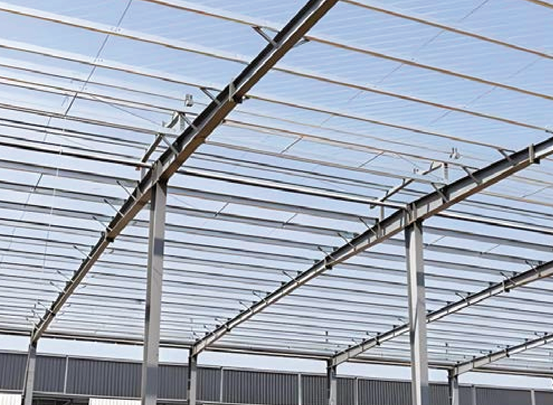
| Warehouses and Logistics Buildings | Portal frames, steel columns, roof structures and large-span steel frames | Create wide internal spaces while supporting storage, handling and operational requirements |
| Power and Energy Facilities | Turbine support structures, cable support systems, equipment platforms and auxiliary steel structures | Support energy equipment and maintain safe access for operation and maintenance |
| Bridges and Transportation Infrastructure | Steel girders, trusses, pedestrian bridges and supporting frameworks | Transfer traffic loads and environmental forces through engineered structural systems |
| Industrial Access Systems | Steel stairs, platforms, handrails and maintenance structures | Provide safe access for inspection, operation and equipment maintenance |
The application of steelwork is not limited to individual structural members but focuses on creating complete structural systems that integrate load-bearing capacity, equipment requirements and operational conditions. Through proper material selection, fabrication and installation, steelwork can provide durable solutions for complex industrial and infrastructure projects.
Serving industrial and infrastructure applications, Octal Steel supplies structural steel products and fabricated steel solutions designed to meet different project requirements, including material specifications, structural configurations and delivery conditions.
FAQ
Q:What Is the Difference Between Steelwork and Structural Steel?
A:Structural steel refers to the steel material and standard sections used for structural purposes, such as beams, columns, plates and hollow sections. Steelwork refers to the fabricated structural assemblies made from these materials through cutting, welding, drilling, fitting and connection.
Q:What Components Are Typically Included in Steelwork?
A:Steelwork typically includes steel beams, columns, trusses, bracing members, plates, purlins, platforms, walkways and connection components. The exact combination depends on load requirements, structural layout, service conditions and the intended application.
Q:What Factors Affect Steelwork Design and Selection?
A:Steelwork design and selection are influenced by load conditions, span requirements, structural configuration, connection methods, fabrication capability, corrosion environment and installation requirements. These factors determine the appropriate member type, steel grade and fabrication approach.
Q: Why Is Steelwork Widely Used in Construction?
A:Steelwork is widely used because it provides high strength, good fabrication flexibility, efficient load transfer and adaptability to different structural layouts. It is particularly suitable for industrial facilities, warehouses, commercial buildings, bridges and infrastructure projects where durability and structural efficiency are required.


Tags:steel platesteel plate manufacturer
Related Products
Related Resources

Related Faqs
Recent Faqs
Rencent Articles
Hot Topic
Custom Posts

Octal is located in China recognized as a leading supplier, distributor, and manufacturer union in providing piping solutions for oil and gas company. Product ranges in Steel Pipe, Casing and Tubing, Steel Plate, Sucker Rod, Steel Pipe Fittings, Valves, and Equipment for pipelines.
Contact Info
Unit 2544, 25/F, Tower A, Wanda Plaza, Wenfeng District, Anyang, Henan, China & Building A, No.18 Dirun Road, Zhengdong New District, Zhengzhou, Henan, China
+86 372 2157660 / +86 186 3727 1277
[email protected]