Your Responsible Supplier Partner for Oil and Gas Products.

Oil Storage Tank
Recent Products



Rencent Articles





Oil Storage Tank
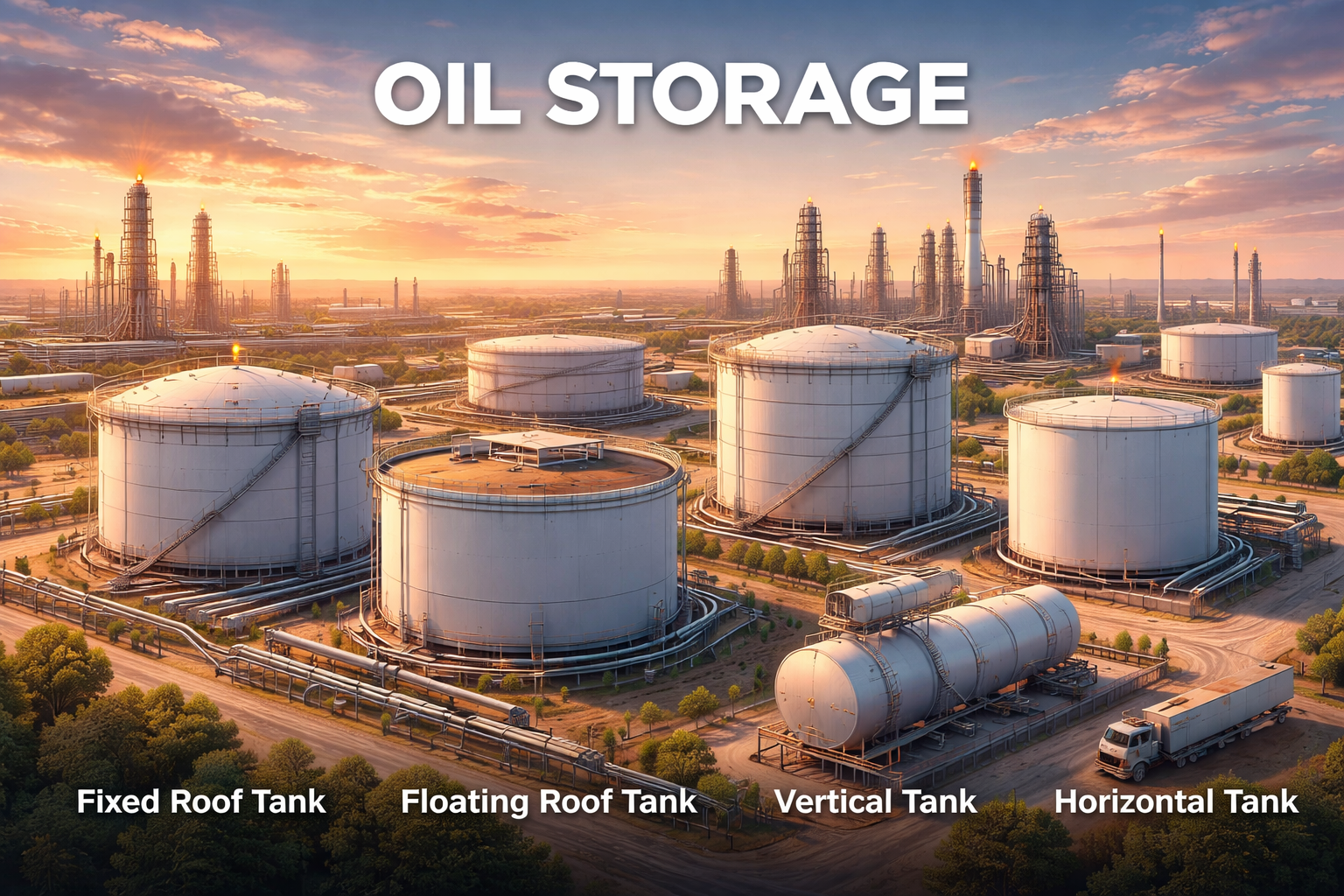
Tank routes: fixed roof, floating roof, vertical, and horizontal oil storage tank
Selection basis: storage duty, turnover frequency, tank size, roof type, and site layout
Design focus: capacity, vapor control, heating, insulation, venting, and corrosion allowance
Typical uses: terminal storage, bulk reserve, process buffer, and emergency backup
Package scope: structure only or integrated tank package with accessories and inspection records
What Is Oil Storage Tank
Oil storage Tank is used to keep crude oil, fuel oil, and refined petroleum products available for stable supply, plant operation, terminal handling, and reserve capacity. In practical projects, oil storage is not only about holding volume. It also affects loading and unloading rhythm, turnover planning, fire safety, vapor control, maintenance access, and downstream process continuity.
That is why an oil storage project is usually developed around the right oil storage tank type, capacity, and operating condition rather than around storage volume alone. A tank selected for crude oil service may not be the right solution for fuel oil, diesel, or other refined products if the temperature condition, viscosity, vapor behavior, or turnover cycle is different.
Why Oil Storage Matters
Oil storage provides operating flexibility between supply and use. In upstream, midstream, and industrial systems, inflow and outflow rarely move at exactly the same pace. Storage helps absorb that mismatch. It supports reserve planning, terminal buffering, batch handling, continuous plant feed, and inventory stability during transport or production interruptions.
For buyers and project planners, the real question is not simply how much oil must be stored. The more useful question is what kind of oil storage tank is needed, how fast the oil moves in and out, what safety controls are required, and how the tank will perform under the actual site and product conditions.
Main Oil Storage Methods
Oil storage solutions are commonly developed through fixed-site tank systems. Depending on project scale and media type, the storage arrangement may serve as terminal storage, process support storage, bulk reserve storage, or plant-side operating storage.
For most industrial and petroleum projects, the practical solution is an oil storage tank system rather than a general storage concept. This is where product type, tank geometry, roof design, and tank capacity become the real decision points. In other words, oil storage as a solution is usually implemented through one or more oil storage tanks selected for the product, the site, and the required storage cycle.
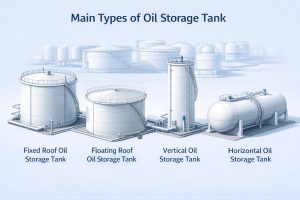
Main Types of Oil Storage Tank
Different oil products and operating conditions call for different oil storage tank types. The most common selection routes are based on roof type, installation layout, and required capacity.
Fixed Roof Storage Tank
A fixed roof oil storage tank is one of the most common choices for general oil storage applications. It is widely used where the product volatility is manageable and where the project requires a practical, economical tank structure for crude oil, fuel oil, diesel, or other petroleum liquids.
Fixed roof tanks are commonly chosen for industrial plants, storage yards, and terminal applications where simple structure, stable operation, and easier fabrication are important. For many standard oil storage projects, this is the baseline tank type before more specialized vapor-control or emission-control requirements are considered.
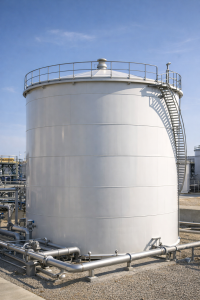
Fixed Roof Storage Tank-octalsteel
Floating Roof Storage Tank
A floating roof oil storage tank is typically used where vapor space control is more important, especially in larger-capacity storage for crude oil or more volatile petroleum products. Because the roof moves with the liquid level, this design helps reduce vapor accumulation and product evaporation compared with a standard open vapor space design.
This type of oil storage tank is often considered when the project requires better loss control, larger storage capacity, or more suitable handling of volatile hydrocarbon service. It is more specialized than a fixed roof tank and should be selected based on the actual product and operating environment rather than by size alone.
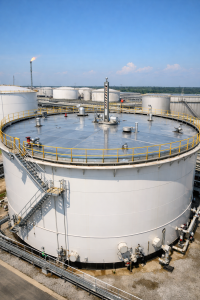
Floating Roof Storage Tank-OCTAL
Vertical Storage Tank
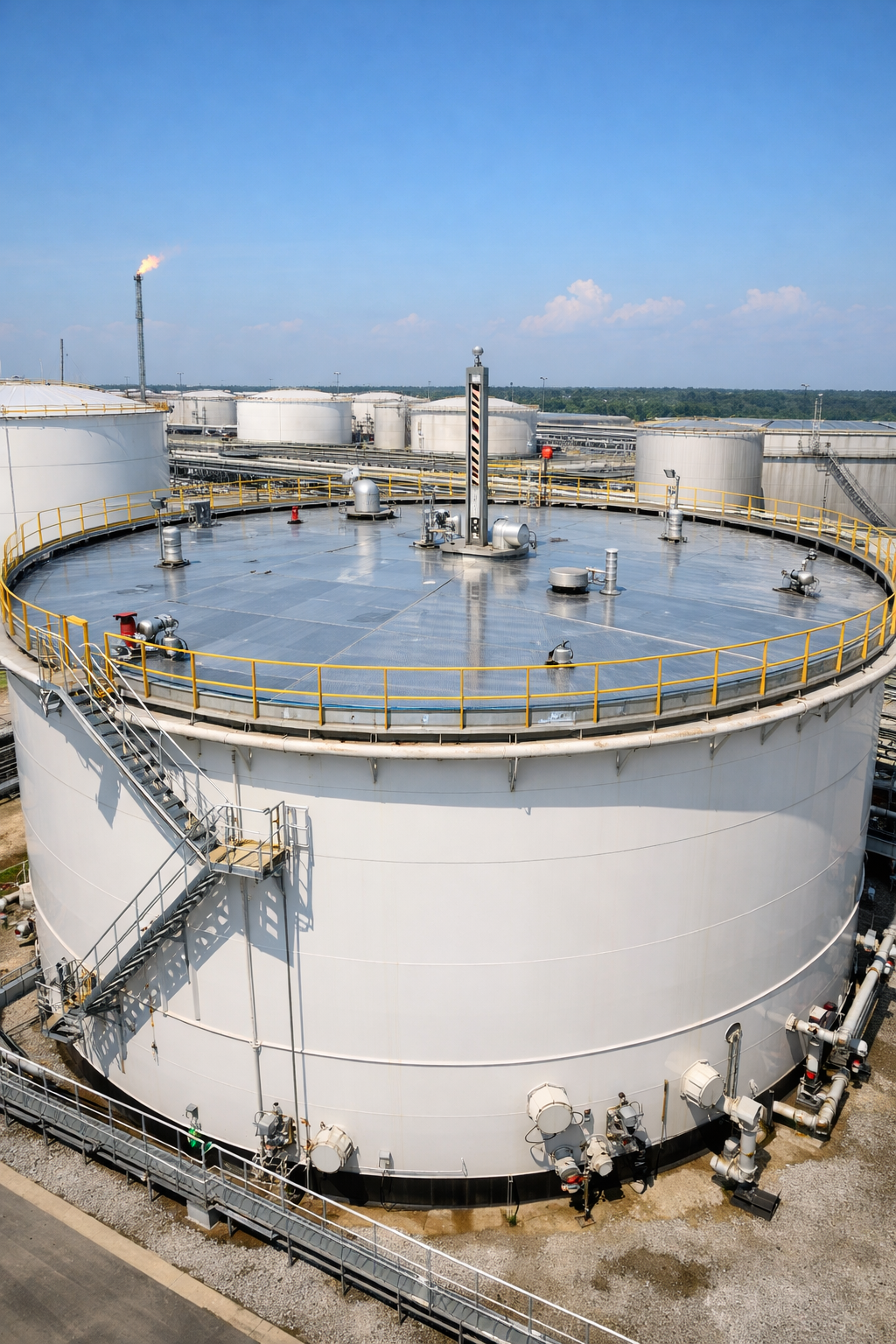
A vertical oil storage tank is generally used for larger storage capacity and fixed-site installation. It is common in tank farms, petroleum terminals, refinery storage areas, and industrial reserve systems. Vertical tanks are usually preferred when land use can support larger diameter tanks and when the project calls for bulk oil storage tanks with higher total volume.
For broad oil storage solutions, vertical tanks are often the main commercial format because they fit large-capacity projects more naturally and allow clearer scaling in both diameter and height.
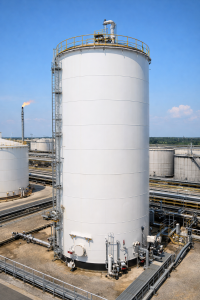
Vertical Storage Tank-OCTAL
Horizontal Storage Tank
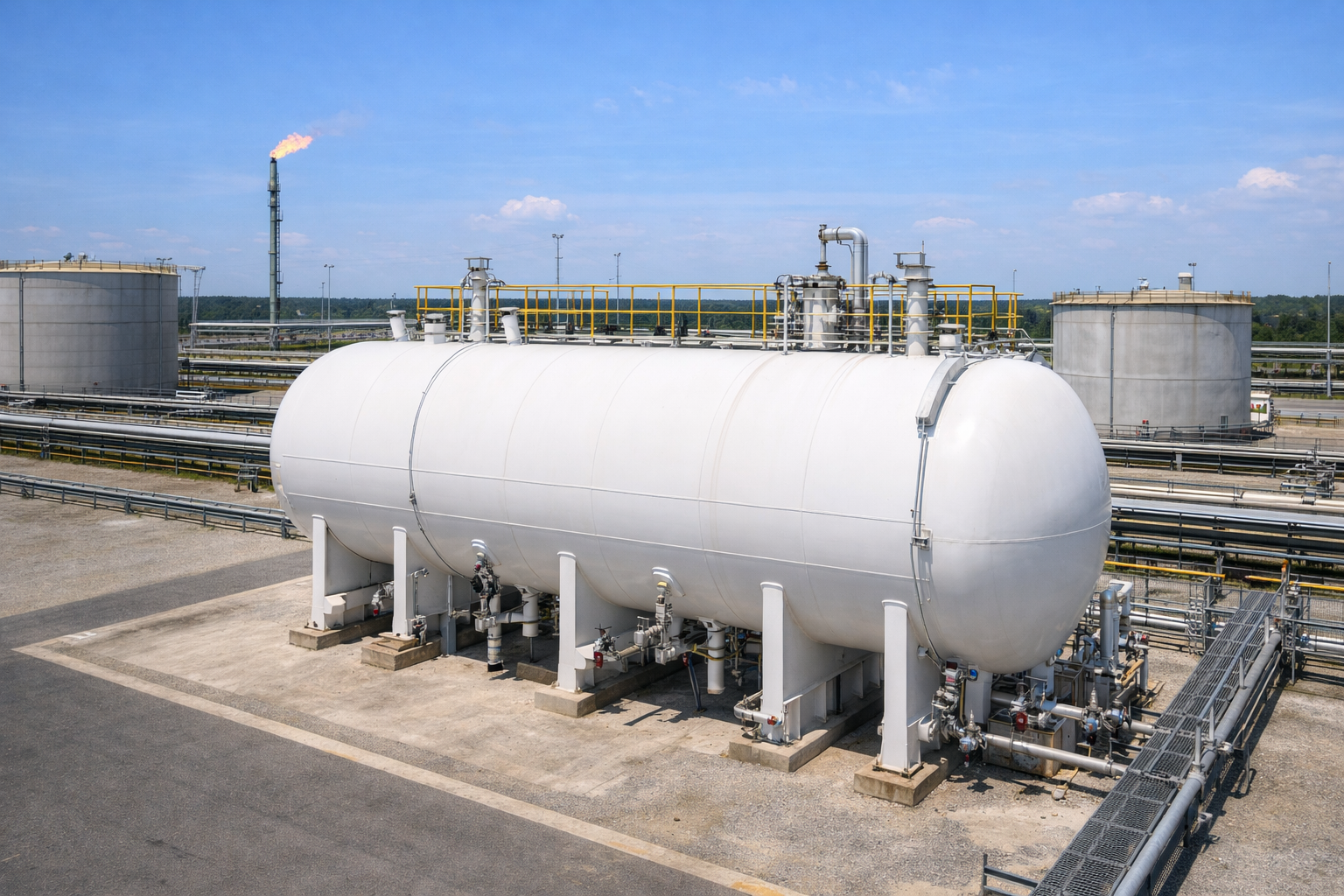
A horizontal oil storage tank is more often used for smaller-capacity storage, auxiliary systems, packaged plant installations, or local operating reserve. It is suitable where the required capacity is lower, layout space is restricted, or the storage system is part of a smaller skid or process package rather than a full terminal-style installation.
Horizontal tanks can still be important in oil storage projects, but they are usually not the main format for bulk oil storage tanks where very large capacity is needed.
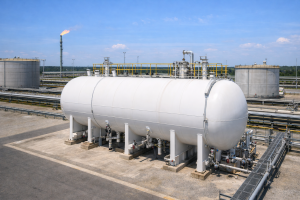
Horizontal Storage Tank-OCTAL
How to Choose Oil Storage Tank Size and Capacity
Oil storage tank size should be selected from the actual storage duty, not from a nominal capacity target alone. In practical projects, tank capacity should be reviewed together with product type, turnover frequency, site layout, and operating condition.
| Selection Factor | Why It Matters | What to Confirm |
|---|---|---|
| Stored Product | Different oils have different viscosity, volatility, and temperature requirements. | Crude oil, fuel oil, diesel, or refined product type. |
| Net Usable Volume | The tank must deliver workable storage capacity, not only nominal total volume. | Required working capacity and reserve margin. |
| Turnover Frequency | Filling and emptying cycles affect required capacity and tank operating pattern. | Daily, batch, reserve, or terminal turnover duty. |
| Storage Duty | A reserve tank, process buffer tank, and terminal tank do not follow the same sizing logic. | Reserve storage, process buffering, or bulk terminal service. |
| Temperature Requirement | Some oils require heating, insulation, or viscosity control for stable operation. | Heating coil, insulation, or temperature maintenance need. |
| Tank Diameter and Height | Capacity should be matched with practical tank geometry and site layout. | Diameter, shell height, and installation footprint. |
| Roof Type | Roof design affects vapor space, product loss control, and operating suitability. | Fixed roof or floating roof selection. |
| Site and Safety Spacing | Available land and fire spacing can limit practical tank dimensions. | Plot space, spacing rules, and access arrangement. |
In larger projects, bulk oil storage tanks are usually selected by working capacity range first and then matched with tank diameter, shell height, roof type, and foundation layout. In smaller projects, the final decision may be driven more by installation limits, transportable dimensions, or operational convenience.
Oil Storage Tank Design Considerations
A reliable oil storage tank should be selected with attention to structural design, service medium, and operating risk. Important design points usually include:
- tank type and roof configuration
- shell and bottom material selection
- corrosion allowance
- venting and overpressure protection
- product compatibility
- foundation and settlement condition
- access platform and maintenance arrangement
- heating or insulation if required
- fire protection and safety spacing
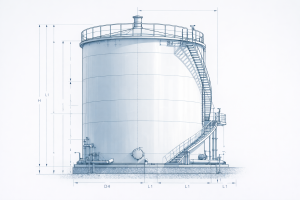
For engineered supply projects, tank design is not only a fabrication issue. It also affects long-term operation, inspection convenience, and service life. A tank used for heavy fuel oil may require very different design details from a tank used for lighter petroleum liquids. That is why oil storage tank design should be reviewed from both engineering and operating perspectives rather than from structure alone.
Oil Storage Tank Standards and Practical Specification Points
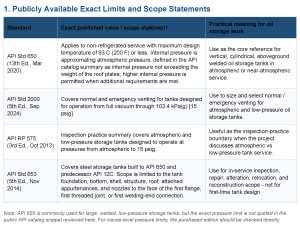
In many projects, welded oil storage tanks are specified with reference to recognized design and inspection standards such as API 650 for atmospheric tanks, API 620 for certain low-pressure storage service, and API 653 for inspection, repair, and alteration during the operating life of the tank. In practical procurement, however, the buyer still needs to define the actual project scope clearly rather than relying on a standard name alone.
Typical specification points include tank capacity, diameter, height, roof type, design temperature, product type, material grade, coating or lining requirements, nozzle arrangement, platform and ladder scope, and any insulation or heating requirements. For export projects, inspection scope, documentation package, and shipment planning should also be confirmed early.
Typical Applications of Oil Storage Tank Solutions
Oil storage tank solutions are used in a wide range of petroleum and industrial projects, but buyers do not usually select a tank by product name alone. In procurement practice, the more important questions are how long the product must be stored, how often the tank will be filled and emptied, whether heating or insulation is required, and what operating conditions will affect reliable withdrawal and transfer.
1. Crude oil storage at production and terminal sites
These tanks are usually selected for buffer storage before transfer, export, or further processing. Buyers often focus on working capacity, turnover rhythm, sediment handling, roof type, and how the tank fits the loading, unloading, and terminal transfer plan.
2. Fuel oil reserve for industrial plants and power facilities
These tanks are often used where reserve fuel must stay available for boilers, furnaces, or power generation systems. In this application, buyers usually pay closer attention to heating requirements, insulation, pumpability, and whether the stored fuel can still be withdrawn reliably under site temperature conditions.
3. Diesel and refined product storage for distribution or plant-side use
These tanks are commonly linked to daily turnover, operating reserve, or short-cycle storage. In this case, procurement usually gives more weight to clean transfer, product segregation, practical filling and discharge arrangement, and how the tank supports repeated operating cycles.
4. Process buffer or emergency reserve storage
These tanks are used where process continuity or backup readiness is the main concern. Buyers normally focus on usable volume, withdrawal readiness, safety arrangement, and whether the tank package matches the plant layout and standby service requirement.
Although all of these fall under oil storage, the required oil storage tank solution can differ significantly from one project to another. A terminal crude oil tank, a heated fuel oil tank, a diesel turnover tank, and an emergency reserve tank may all store petroleum liquids, but they do not necessarily need the same tank type, roof design, accessory scope, or capacity logic. That is why procurement decisions should always be based on actual storage duty, operating condition, and project handling requirements rather than on storage volume alone.
How to Decide Between Different Oil Storage Tank Types
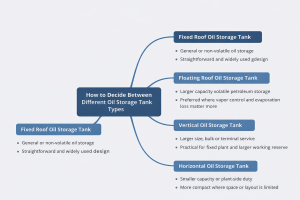
A simple rule is to start with the product and the operating target.
If the project needs straightforward storage for less volatile oil service and practical fabrication economics, a fixed roof oil storage tank is often the first option to evaluate.
If vapor control and evaporation reduction are more important, especially in larger-capacity petroleum storage, a floating roof oil storage tank may be more suitable.
If the project requires bulk oil storage tanks for fixed-site reserve or terminal service, vertical oil storage tanks are usually the main route.
If the required capacity is smaller or the layout is more compact, a horizontal oil storage tank may be more practical.
The best choice comes from matching tank type to real use conditions, not from choosing the most complex design by default.
Oil Storage Tank Construction and Package Scope
From a project standpoint, buyers do not purchase only a tank shell. What usually matters more is the full supply boundary and how clearly the package scope is defined before quotation, fabrication, shipment, and site installation. Depending on project requirements, an oil storage tank package may cover only the main structure, or it may extend to roof and bottom systems, nozzles, manholes, access platforms, ladders, safety fixtures, heating or insulation systems, coating, piping tie-in points, and fabrication inspection records.
In practical procurement, this distinction directly affects quotation accuracy, delivery planning, inspection responsibility, and site coordination. A structure-only supply and an integrated package may refer to the same oil storage tank, but they do not carry the same material scope, fabrication workload, documentation requirement, or installation interface. For export projects in particular, buyers should confirm early whether the scope includes shop fabrication only, loose accessories, coating, insulation, erection guidance, or a more complete package with supporting documents and shipment breakdown.
Typical oil storage tank package scope may include:
- tank structure only
- tank plus roof and bottom system
- nozzles, manholes, and accessories
- platform, ladder, and safety fixtures
- heating or insulation system
- coating system
- piping tie-in points
- fabrication inspection and test records
- shipping and erection support information
For this reason, the package scope should always be confirmed together with tank type, capacity, operating service, and project execution plan. This helps avoid gaps between supply expectation and actual delivery content, especially when the tank is part of a larger terminal, plant, or reserve storage project.
Octal Oil Storage Tank Solutions
At Octal, our focus is on practical oil storage tank solutions for petroleum and industrial projects. We help buyers define the right tank route according to storage duty, capacity range, roof configuration, fabrication scope, and delivery requirement.
| Project Need | What Buyers Usually Check | What Octal Can Support |
|---|---|---|
| Bulk oil storage tanks | Capacity range, tank diameter and height, roof type, structural reliability, and tank farm layout. | Vertical oil storage tank planning, fabrication coordination, and package definition for large-capacity projects. |
| Crude oil terminal storage | Turnover rhythm, transfer arrangement, roof configuration, and practical working capacity. | Tank type review, capacity matching, and project-oriented supply support. |
| Fuel oil reserve tanks | Heating need, insulation, pumpability, and reliable withdrawal under site conditions. | Tank solutions with consideration for heating, insulation, and reserve-duty operation. |
| Diesel and refined product storage | Turnover frequency, cleaner transfer, loading and unloading arrangement, and practical site layout. | Storage tank selection support for distribution, plant-side use, and operating reserve service. |
| Structure-only or integrated package | Scope boundary, accessories, coating, insulation, inspection records, and shipment split. | Supply as tank structure only or as a more complete package with agreed accessories and documentation. |
| Export project delivery | Inspection scope, fabrication records, packing breakdown, and coordination before site erection. | Inspection-backed supply, document support, and delivery planning for international projects. |
The value of an Octal oil storage tank solution is not only in supplying a tank, but in helping the buyer align storage duty, tank type, package scope, and project execution requirements before fabrication begins.
FAQ#
Q1. What is the difference between a fixed roof and a floating roof oil storage tank?
A1. A fixed roof oil storage tank is usually used for more general storage service where practical structure and fabrication economy are important. A floating roof oil storage tank is more suitable where vapor control and evaporation loss matter more, especially in larger-capacity petroleum storage.
Q2. When is API 650 usually used for an oil storage tank?
A2. API 650 is commonly used for vertical, cylindrical, aboveground, welded steel storage tanks designed for internal pressures approximating atmospheric pressure. It is the main reference for new tank material, design, fabrication, erection, and testing in many oil storage projects.
Q3. When should API 620 be considered instead of API 650?
A3. API 620 is generally considered when the project involves large, welded, low-pressure aboveground storage tanks rather than the more typical near-atmospheric tank scope associated with API 650. It is used when the storage duty and pressure boundary go beyond the usual API 650 application range.
Q4. Does one standard cover both new tank construction and in-service inspection?
A4. Not usually. API 650 is mainly used for new tank design and construction, while API 653 is used after the tank has been placed in service and covers inspection, repair, alteration, relocation, and reconstruction