Your Responsible Supplier Partner for Oil and Gas Products.

Natural Gas Tank
Recent Products



Rencent Articles





Natural Gas Tank
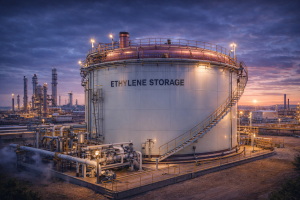
Natural gas storage solutions for industrial and energy projects
Scope: underground storage + LNG storage tank + tank-based supply systems
Storage routes: porous rock storage, salt cavern storage, LNG storage, compressed gas storage
Tank focus: LNG storage tank, natural gas storage tank, cryogenic storage package
Project uses: peak shaving, backup fuel supply, modular gas systems, industrial reserve
System modules: storage tank, insulation system, valves, piping, control, regasification interface
Selection basis: storage capacity, withdrawal rate, pressure, temperature, footprint, safety design
What Is Natural Gas tank
Natural gas tank is used to balance the difference between steady gas supply and changing gas demand. In real energy systems, gas consumption does not remain constant. It changes by season, by day, and sometimes by short-term industrial or power market demand. Storage allows gas to be injected when demand is lower and withdrawn when demand is higher, helping maintain supply continuity for utilities, industrial users, and gas infrastructure projects. Large storage volumes are typically kept underground, while smaller or equipment-based systems can also be developed through tank-based storage methods.
This is why natural gas tank should not be understood as one single product. It is a storage solution selected according to project scale, gas form, withdrawal requirement, available footprint, and downstream use. In large transmission systems, storage often means underground facilities. In industrial or modular projects, it can mean an above-ground natural gas storage tank arrangement, especially when LNG is used as the storage medium.
Why Natural Gas Storage Matters
Without storage, a gas system has less flexibility. Production and transportation can remain relatively steady, but end-user demand does not. Storage helps absorb this mismatch. It supports peak shaving, secures backup fuel availability, improves supply continuity during high-demand periods, and gives operators more control over short-term fluctuations. This is one reason gas storage continues to play an important role in overall energy security and system balancing.
For industrial projects, storage is not only about total volume. It is also about how quickly gas can be delivered when the plant actually needs it. In practice, storage selection depends on both capacity and deliverability. EIA notes that storage performance is influenced not only by the storage medium itself, but also by the installed equipment and operating procedures that govern injection and withdrawal. That same logic applies when a buyer is evaluating a gas storage tank or a full LNG tank package.
Main Types of Natural Gas Tank
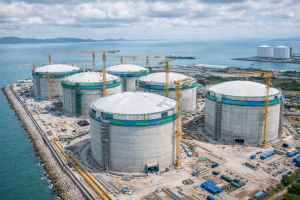
Natural gas tank solutions can be grouped into three main routes: underground storage, LNG tank, and compressed gas storage.
| Storage Type | How It Is Stored | Main Strength | Typical Use |
|---|---|---|---|
| Underground Storage | Gas is injected into depleted reservoirs, salt caverns, or aquifers. | Large storage volume and strong long-term balancing capacity. | Seasonal balancing, utility-scale reserve, regional gas supply. |
| LNG Storage | Natural gas is liquefied and stored in an LNG storage tank. | Compact volume and easier above-ground tank-based installation. | Peak shaving, backup fuel, satellite supply, industrial reserve. |
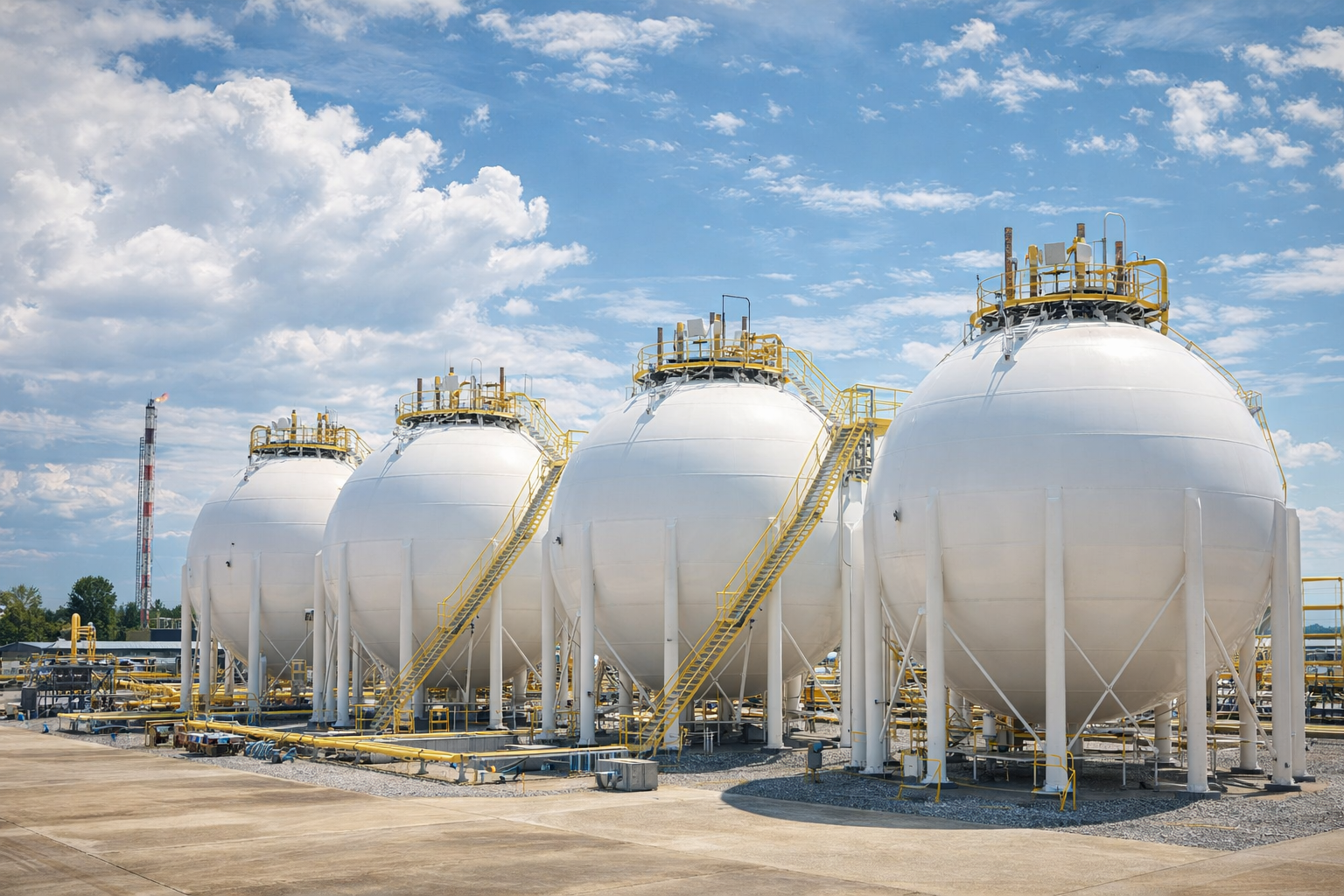
| Compressed Gas Storage | Gas is stored under pressure in high-pressure storage equipment. | Suitable for modular or smaller-capacity storage projects. | Local reserve, station supply, modular gas applications. |
For large-scale infrastructure, underground storage is the main route. For equipment-based projects, LNG storage tank and tank-based systems are usually the more practical solution.
Underground Natural Gas Tank
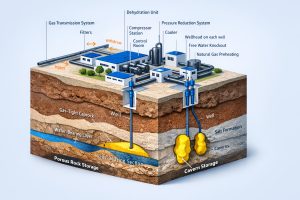
Underground storage is the dominant route for very large gas volumes. EIA identifies three main underground storage types: depleted oil or gas reservoirs, salt caverns, and aquifers. These facilities are used to support large-scale balancing and long-duration supply flexibility across gas networks.
According to Uniper’s technical explanation, gas enters the storage site through the transmission system, is filtered and measured, and then compressed before injection into the storage formation. During withdrawal, solids and liquids are separated, the gas is preheated before pressure reduction to reduce hydrate risk, and it is dried and measured again before being returned to the pipeline system.
Salt caverns and porous rock storage do not behave the same way. Salt caverns usually allow faster injection and withdrawal relative to working capacity, while porous rock storage is often associated with larger volume but different flow behavior because gas movement depends more strongly on the natural characteristics of the formation.
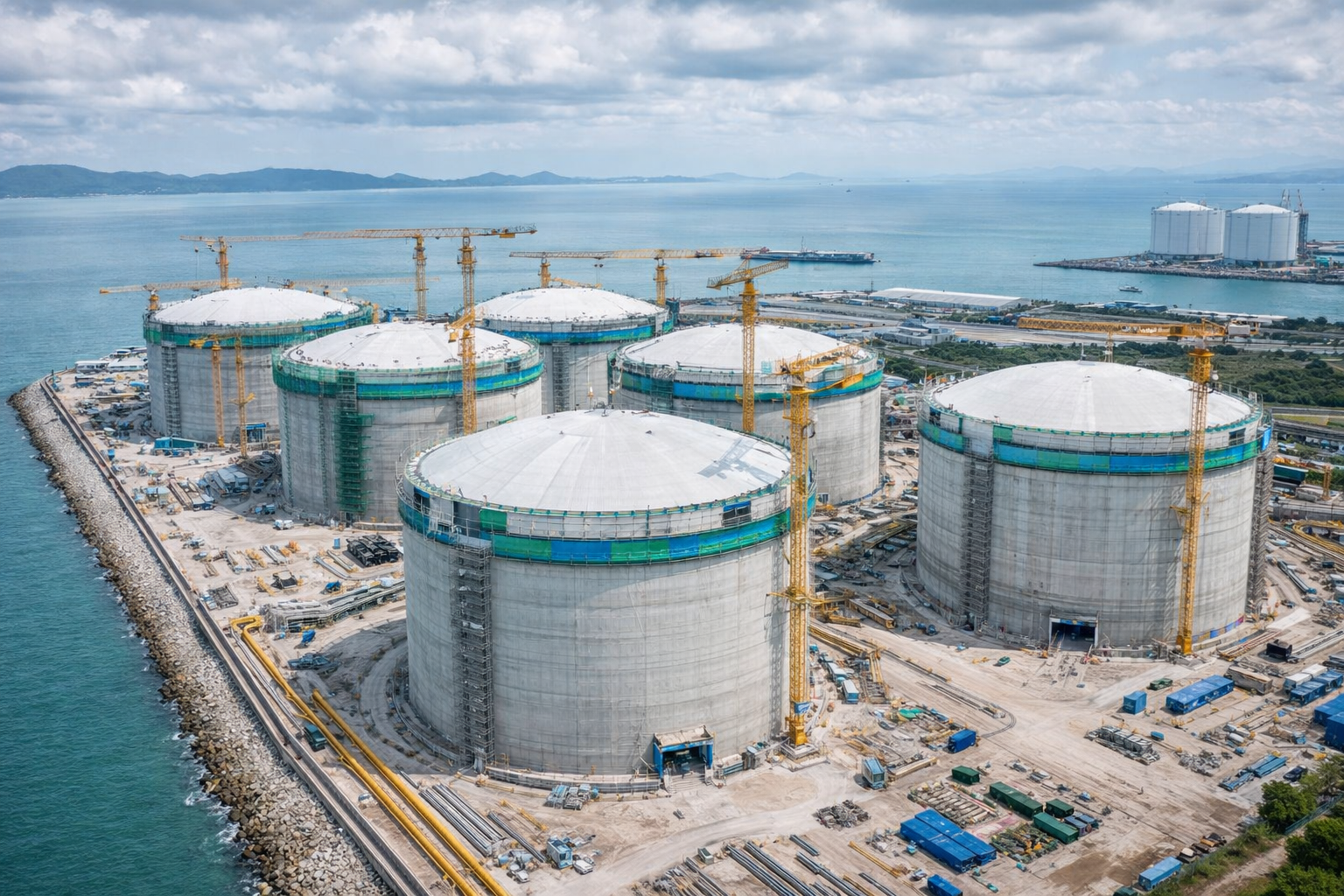
LNG Storage
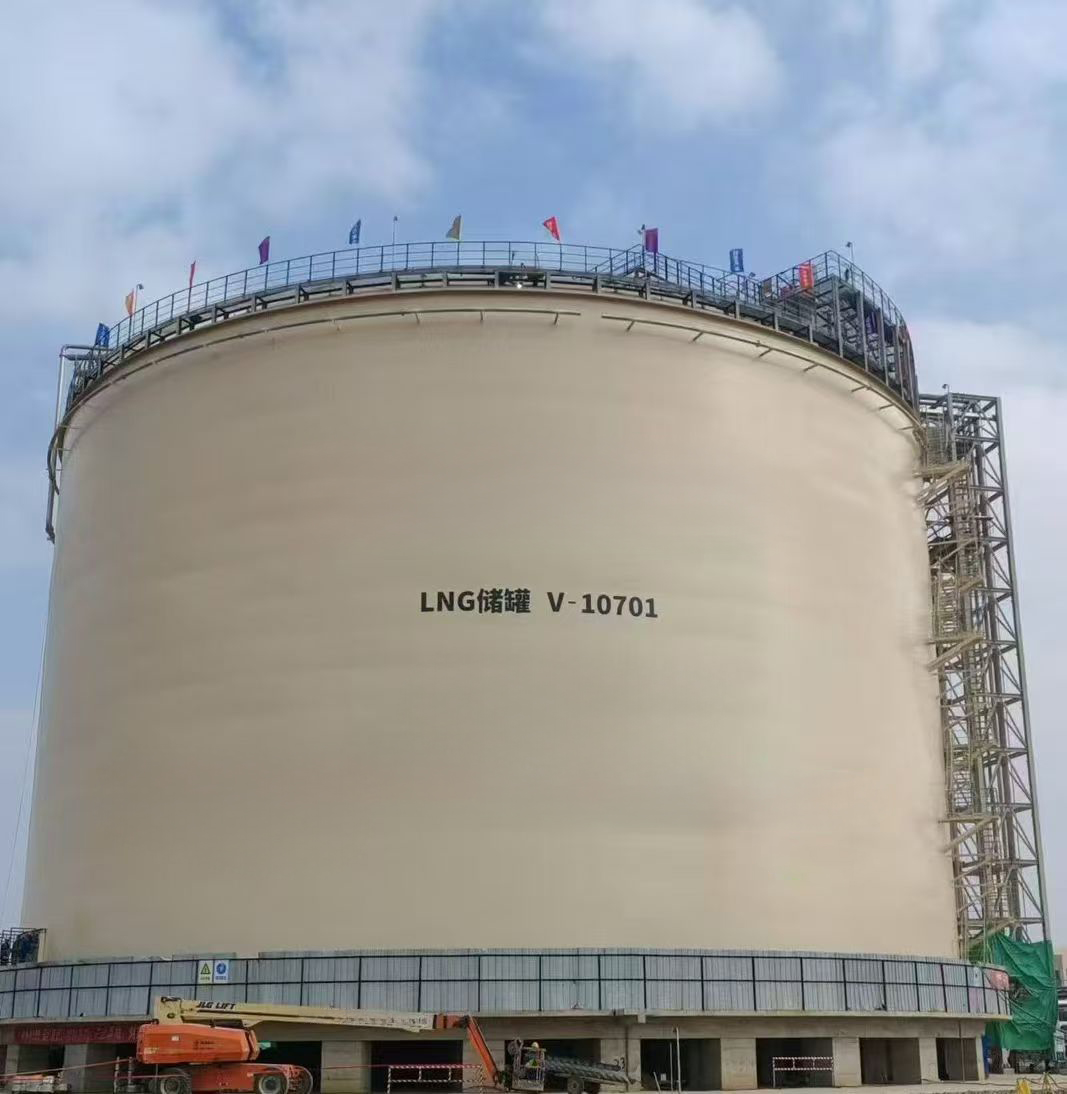
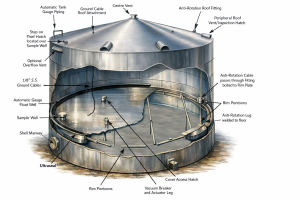
For many equipment-driven projects, LNG storage is the more practical route. In this case, natural gas is liquefied and stored in insulated cryogenic tanks. EIA explains that LNG is kept in super-cooled cryogenic tanks and later regasified before entering a downstream gas system or pipeline. This makes LNG storage especially relevant for above-ground projects that need compact volume, defined storage capacity, and easier integration with regasification.
This is also where the term LNG storage tank becomes commercially important. Compared with underground storage, an LNG storage tank is an engineered equipment package with clearer procurement boundaries. Buyers can define capacity, tank orientation, insulation system, pressure basis, instrumentation, safety accessories, and regasification interface much more directly than they can in a reservoir-scale storage project. Industry suppliers commonly position LNG storage tanks as cryogenic storage systems that can be supplied in standard or custom-engineered configurations for storage and regasification service.
Compressed Gas Storage
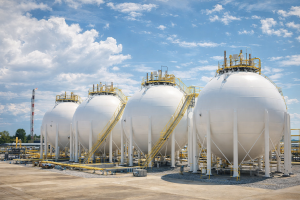
Compressed gas or high-pressure storage is another route, typically used for smaller-scale or more localized applications. It does not replace large underground seasonal storage, but it can support station-based supply, modular reserve capacity, and certain mobile or distributed gas use cases. On a solution page like this, it is useful to mention compressed gas storage for completeness, even though the strongest equipment focus is usually on LNG and cryogenic tank systems.
Working Gas and Cushion Gas
One of the most important concepts in natural gas storage is the difference between working gas and cushion gas. Uniper explains that working gas is the usable gas volume that can be injected and withdrawn, while cushion gas remains in the storage system to maintain the required pressure conditions. In other words, total gas in storage is not the same as marketable or withdrawable gas.
This distinction matters because project owners do not buy storage only by gross volume. They also care about how much gas can actually be delivered and how the storage system performs under changing fill levels. EIA makes the same point in broader storage terms: storage capability depends on both physical storage conditions and installed operating equipment. For an above-ground natural gas storage tank project, this translates into practical design questions about usable capacity, withdrawal rate, boil-off handling, and downstream demand matching.
Above-Ground Natural Gas Tank Solutions
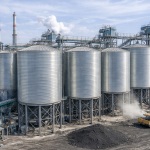
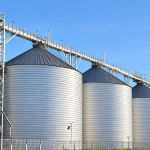
For industrial and modular projects, the most realistic entry point is often not underground storage development but an above-ground natural gas storage tank solution. In many cases, this means a tank-based LNG system designed around storage, insulation, and regasification. The advantage of this route is that the project can be engineered, packaged, inspected, transported, and integrated in a more direct way. It is especially relevant for peak shaving stations, backup fuel systems, satellite supply, and sites where underground storage is not practical.
An above-ground gas storage tank project is also easier to translate into procurement language. Instead of discussing geological suitability, the buyer can focus on capacity, insulation concept, design temperature, pressure class, layout constraints, filling and withdrawal interface, and inspection documents. That is one reason why equipment pages built around LNG storage tank supply are often easier to position commercially than broad underground storage explanations alone.
Octal LNG Storage Tank Solutions
For this page, Octal’s most practical position is in above-ground tank-based storage, especially LNG storage tank and related engineered storage packages for industrial and energy projects. Instead of treating natural gas storage only as an infrastructure concept, Octal can present it as an equipment solution for customers who need controlled storage capacity, easier site integration, and document-backed supply support.
An Octal natural gas tank solution can be presented around the needs buyers actually care about: suitable tank capacity, cryogenic or pressure design basis, structural reliability, insulation performance, safety valve and instrumentation arrangement, inspection scope, and delivery documentation. On many projects, the buyer is not looking for a theoretical description of storage. They are looking for a workable package that can be reviewed technically, quoted clearly, inspected during fabrication, and delivered with traceable documentation.
For LNG-based applications, an Octal LNG tank can be positioned as part of a broader storage-and-use system rather than as an isolated vessel. That means the value of the tank is tied to how well it supports the site’s withdrawal planning, regasification interface, safety control, and operating continuity. From a procurement perspective, this is much more useful than simply describing it as a cryogenic vessel.
How to Choose a Natural Gas Storage Tank
The right natural gas tank depends first on the storage method. If the project stores gas as LNG, the key equipment is an insulated cryogenic storage tank with a suitable interface for vaporization or regasification. If the project uses compressed storage, pressure class and gas handling conditions become more central. In both cases, the buyer should define not only nominal tank volume, but also how the stored gas will be withdrawn and used.
From a project and procurement standpoint, the main selection points usually include storage capacity, withdrawal rate, design temperature and pressure, insulation system, plot space, transport limitations, safety philosophy, and documentation scope. For an LNG storage project, it is also important to review whether the package is tank-only or tank plus regasification. Equipment suppliers in this segment commonly position their offerings around standard and custom LNG cryogenic tanks, both horizontal and vertical, often as part of broader storage and regasification packages.
This is where gas storage tank selection becomes more than a vessel purchase. The tank has to work as part of the site’s full gas handling logic. A technically suitable tank but an incomplete withdrawal, safety, or integration concept can still create operational problems. That is why storage tank selection should always be reviewed together with the actual gas consumption profile and downstream system design.
When an LNG Storage Tank Makes the Most Sense
An LNG storage tank is often the strongest choice when a project needs compact storage volume, predictable site integration, and a clear equipment supply route. It is particularly suitable when the site does not justify underground storage development but still needs reserve capacity, peak shaving support, or modular fuel supply. Because LNG occupies far less volume than natural gas in gaseous form, cryogenic tank storage creates a more compact layout than many other above-ground approaches.
This does not mean every natural gas storage project should be written as an LNG project. But from a commercial website perspective, LNG storage tanks are often the clearest bridge between broad storage knowledge and a real equipment offer. That is why this page can begin with natural gas storage as a solution concept, then move toward natural gas storage tank selection, and finally land on Octal LNG storage tank supply as the practical product path.
FAQ
Q1. What is the purpose of natural gas storage?
Natural gas storage is used to balance supply and demand, support peak shaving, and maintain gas availability during periods of higher consumption or temporary supply disruption. It improves system flexibility because gas production and pipeline flow are relatively steady, while actual demand can change by season, by day, or by operating condition.
Q2. How is natural gas stored?
Natural gas is mainly stored in underground facilities for large-scale use, and in tank-based systems for smaller or equipment-driven projects. In above-ground applications, gas may be stored as LNG in cryogenic tanks or as compressed gas in high-pressure storage equipment, depending on capacity, footprint, and delivery requirements.
Q3. What are the three main types of underground natural gas storage?
The three main underground storage types are depleted oil or gas reservoirs, salt caverns, and aquifers. These storage methods differ in working capacity, cushion gas requirement, and injection and withdrawal performance, so the best option depends on project scale and storage flexibility requirements.
Q4. When is an LNG storage tank a practical natural gas storage solution?
An LNG storage tank is a practical choice when a project needs above-ground storage with controlled capacity, compact layout, and easier integration with regasification or downstream gas use. It is often suitable for industrial backup supply, peak shaving, modular gas systems, and sites where underground storage is not practical.