Your Responsible Supplier Partner for Oil and Gas Products.

Rock Crusher
Recent Products

Rencent Articles




Rock Crusher
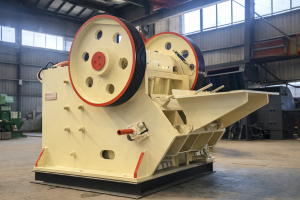
Primary equipment: Jaw Crusher
Material strength: Up to 320 MPa
Applications: Aggregate, sand, and quarry crushing
Model range: PE and PEX series
Feed opening: 150 × 250 mm to 1500 × 1800 mm
Capacity: 1–3 t/h to 450–1000 t/h
Line support: Crushing, screening, and washing units
Product Overview
Rock crusher is equipment used to reduce blasted stone, quarry feed, or recycled hard material into controlled sizes for aggregate production and sand production lines. For buyers, the key point is whether the equipment can match the feed size, target output, line layout, and total operating cost, including wear parts and downstream matching.
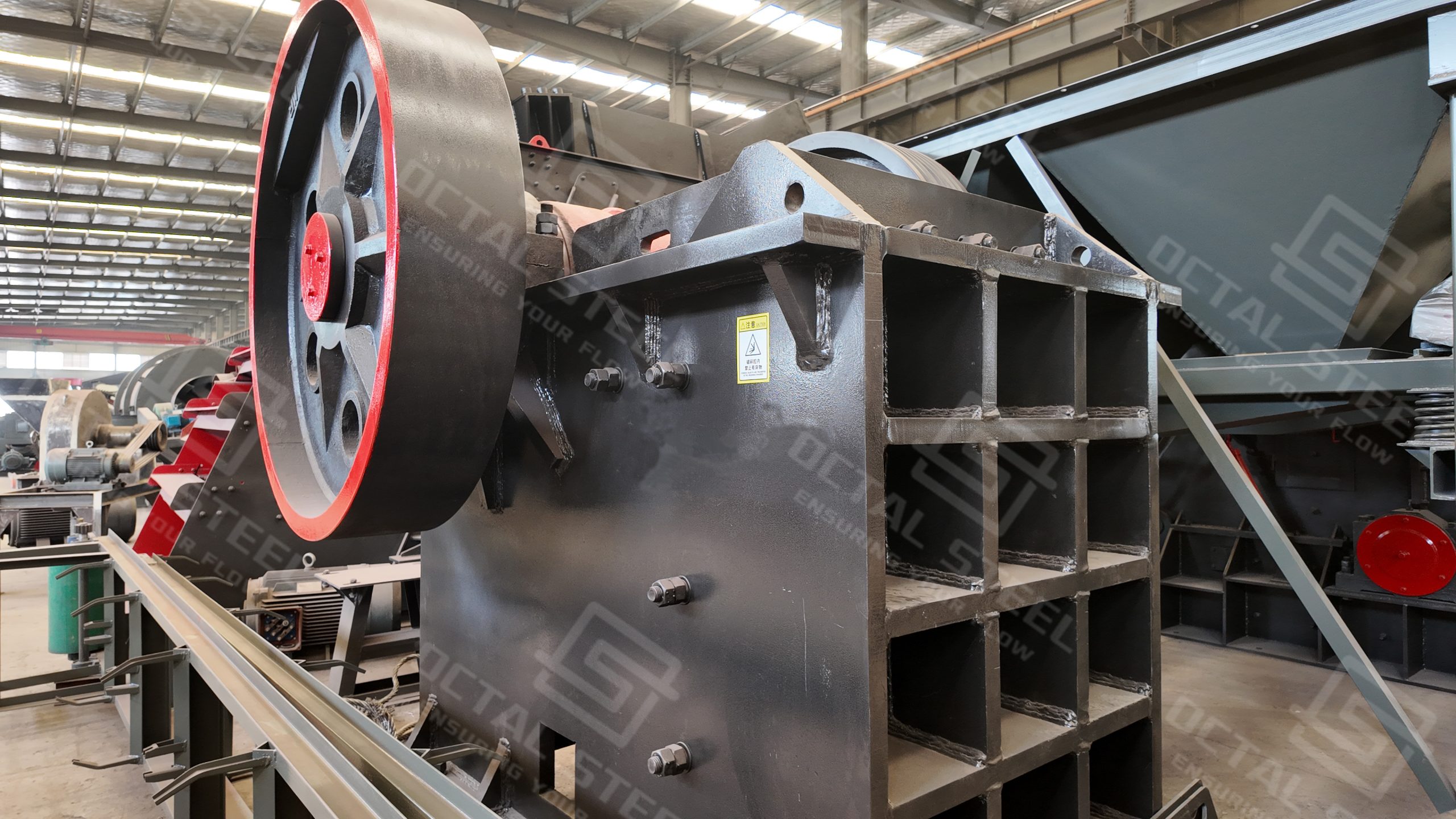
Jaw Crusher is commonly selected first because it serves as the primary crushing unit in many lines. It is valued for its high reduction ratio, simple structure, convenient maintenance, and relatively even output size, and it can be used for materials with compressive strength up to 320 MPa. Once the Jaw Crusher is confirmed, the downstream crusher, screen, washing unit, spare-parts scope, and release documents can be defined more clearly for the project.
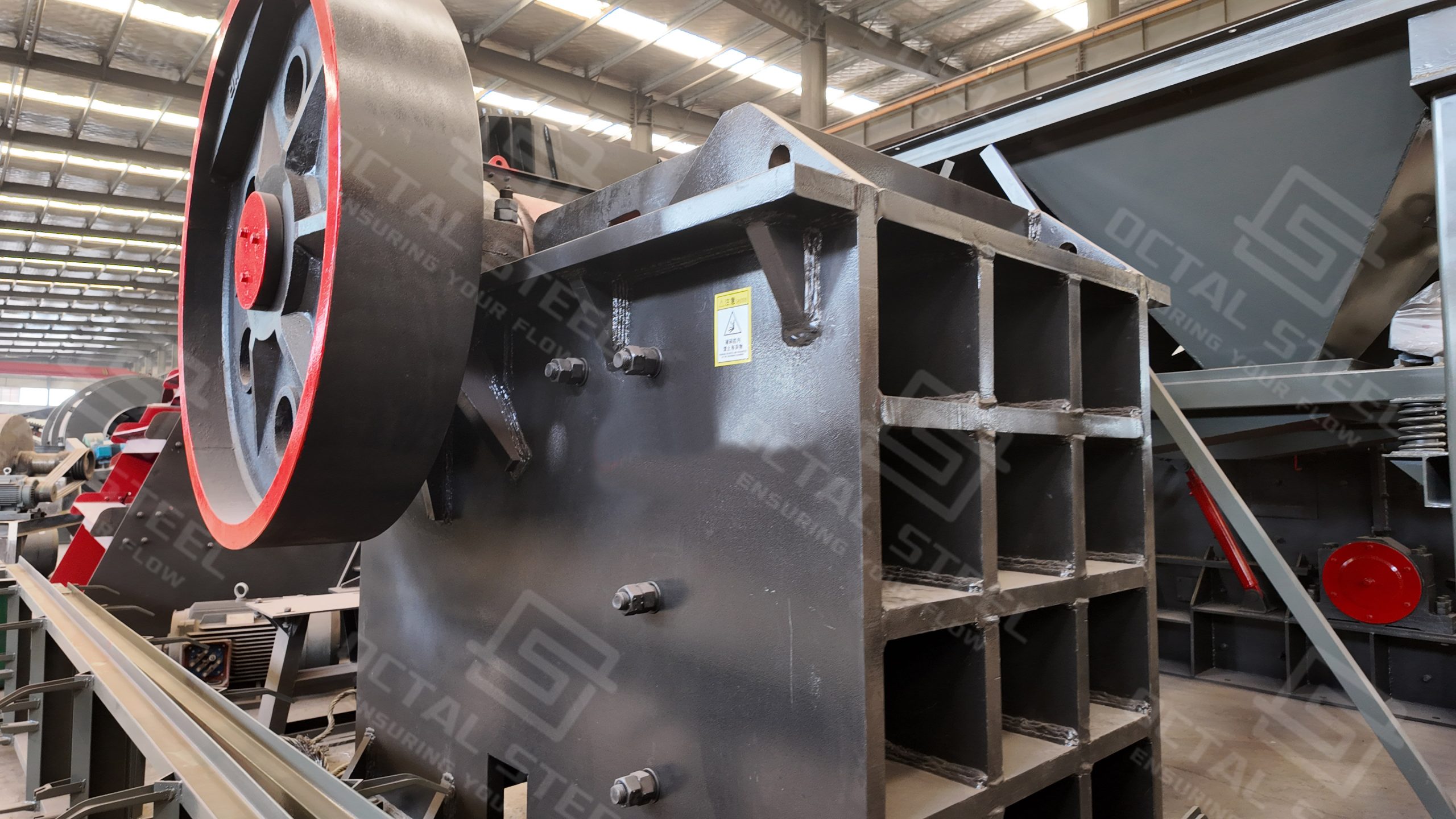
Jaw Crusher in a Stone Production Line
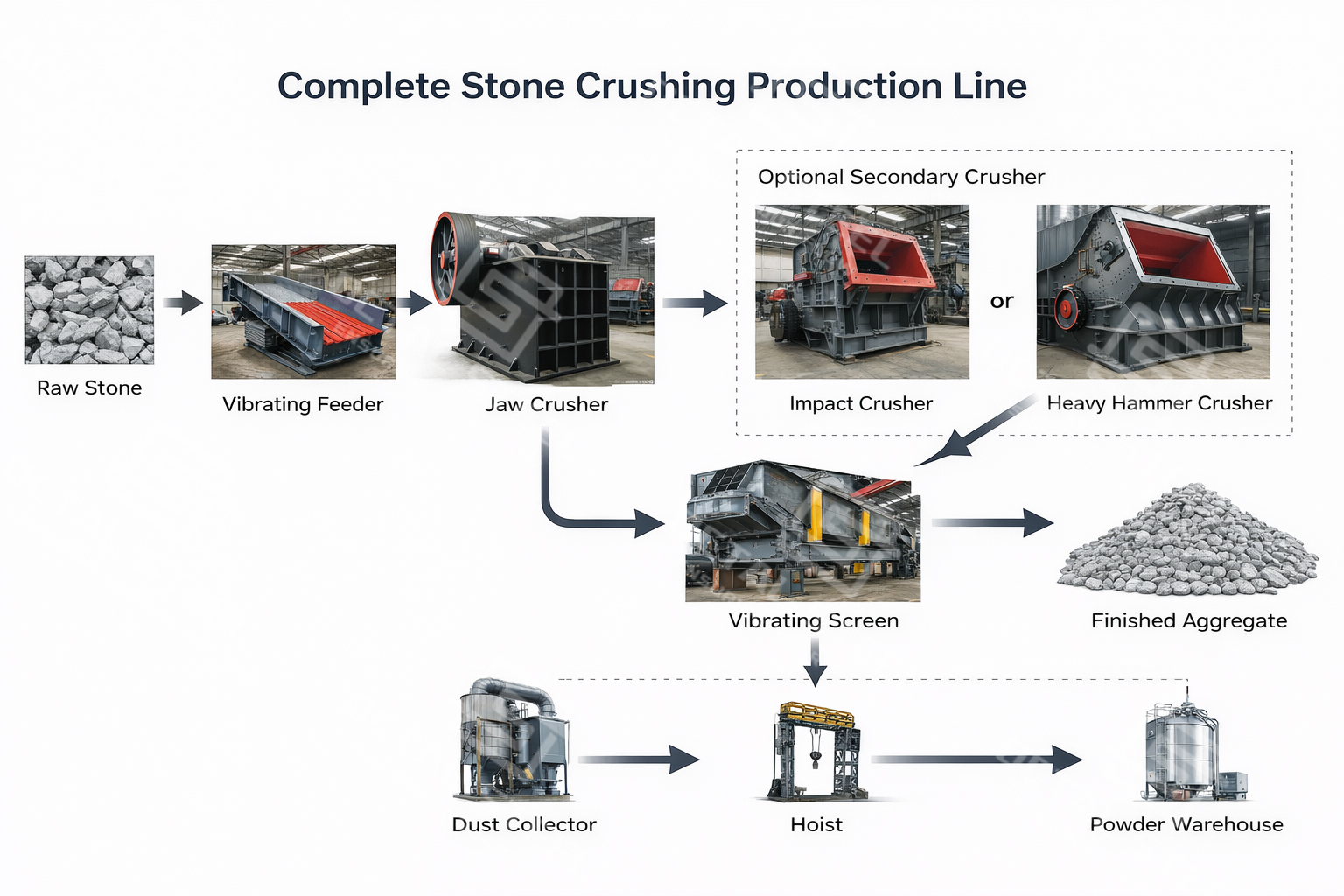
In a typical stone production line, Jaw Crusher is used as the primary crushing unit to handle blasted stone and quarry feed. It reduces large material into a manageable size before the material enters secondary crushing and screening stages.
After the primary stage, the system is usually matched with Impact Crusher or Heavy Hammer Crusher depending on the required output size and particle shape. Screening equipment is then used to classify the material, and washing units may be added if clean aggregate is required.
From a procurement perspective, Jaw Crusher is not an isolated machine but the key unit that determines feed acceptance, downstream matching, and overall line configuration. Once the primary crusher is defined, the rest of the equipment selection becomes clearer in terms of capacity, layout, and final product specification.
Specifications
For a rock crusher inquiry, buyers usually start with line-level selection points rather than one isolated machine parameter. The project basis normally includes feed condition, output target, plant type, and release scope.
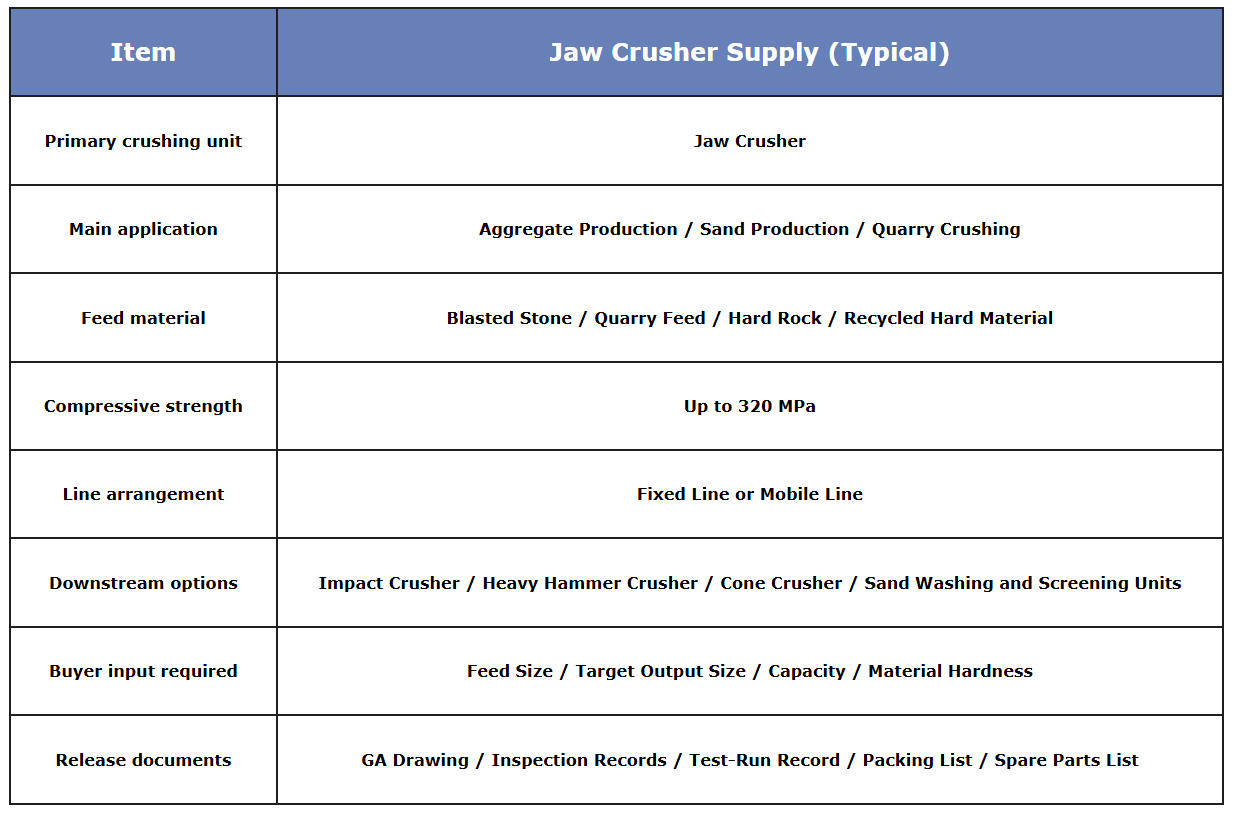
For line projects, the quotation basis should clearly state whether the supply is for one standalone crusher or for a matched crushing package. That distinction affects machine selection, document scope, and delivery planning.
Jaw Crusher Technical Data
The jaw crusher range covers both PE series for primary crushing and PEX series for finer crushing applications. The available models shown below cover feed opening sizes from 150 × 250 mm up to 1500 × 1800 mm, with capacity ranges from 1–3 t/h up to 450–1000 t/h, depending on model selection, feed condition, and discharge setting.
| Model | Feed Opening Size (mm) |
Max Feed Size (mm) |
Discharge Size (mm) |
Capacity (t/h) |
Rotary Speed (r/min) |
Power (kW) |
Weight (t) |
Overall Dimension (L × W × H) (mm) |
|---|---|---|---|---|---|---|---|---|
| PE-150 × 250 | 150 × 250 | 125 | 10–40 | 1–3 | 250 | 5.5 | 0.8 | 720 × 660 × 850 |
| PE-200 × 300 | 200 × 300 | 180 | 15–50 | 2–6 | 260 | 7.5 | 1.2 | 910 × 750 × 990 |
| PE-200 × 350 | 200 × 350 | 180 | 18–70 | 3–10 | 260 | 11 | 1.5 | 1000 × 870 × 990 |
| PE-250 × 400 | 250 × 400 | 210 | 20–60 | 5–20 | 300 | 18.5 | 2.8 | 1300 × 1090 × 1270 |
| PE-400 × 600 | 400 × 600 | 340 | 40–100 | 16–60 | 275 | 30 | 7 | 1730 × 1730 × 1630 |
| PE-500 × 750 | 500 × 750 | 425 | 50–100 | 40–110 | 275 | 55 | 12 | 1980 × 2080 × 1870 |
| PE-600 × 900 | 600 × 900 | 500 | 65–160 | 50–180 | 250 | 75 | 17 | 2190 × 2206 × 2300 |
| PE-750 × 1060 | 750 × 1060 | 630 | 80–140 | 110–320 | 250 | 90 | 29 | 2660 × 2430 × 2800 |
| PE-900 × 1200 | 900 × 1200 | 750 | 95–165 | 220–450 | 200 | 110 | 52 | 3380 × 2870 × 3330 |
| PE-1000 × 1200 | 1000 × 1200 | 850 | 195–265 | 315–500 | 200 | 110 | 55 | 3480 × 2876 × 3330 |
| PE-1200 × 1300 | 1200 × 1300 | 1000 | 180–330 | 400–650 | 220 | 200 | 62 | 4538 × 2984 × 3959 |
| PE-1200 × 1500 | 1200 × 1500 | 1020 | 150–350 | 400–800 | 180 | 250 | 80 | 4200 × 3300 × 3500 |
| PE-1500 × 1800 | 1500 × 1800 | 1200 | 220–350 | 450–1000 | 180 | 280 | 122 | 5160 × 3660 × 4248 |
| PEX-150 × 750 | 150 × 750 | 120 | 18–48 | 8–25 | 320 | 15 | 3.8 | 1200 × 1530 × 1060 |
| PEX-250 × 750 | 250 × 750 | 210 | 25–60 | 13–35 | 330 | 30 | 5.5 | 1380 × 1750 × 1540 |
| PEX-250 × 1000 | 250 × 1000 | 210 | 25–60 | 16–52 | 330 | 30 | 7 | 1560 × 1950 × 1390 |
| PEX-250 × 1200 | 250 × 1200 | 210 | 25–60 | 20–61 | 330 | 37 | 9.7 | 2140 × 1660 × 1500 |
| PEX-300 × 1300 | 300 × 1300 | 250 | 20–90 | 16–105 | 300 | 55 | 15.6 | 2720 × 1950 × 1600 |
| PEX-300 × 1500 | 300 × 1500 | 250 | 25–120 | 60–140 | 300 | 75 | 16.5 | 2920 × 1950 × 1600 |
| PEX-500 × 1500 | 500 × 1500 | 350 | 25–120 | 50–160 | 300 | 90 | 20 | 2360 × 2660 × 2105 |
Note: Model selection should be based on actual feed size, required output range, material hardness, and line configuration. Final capacity may vary depending on raw material condition, discharge setting, and downstream screening or recirculation design.
Manufacturing & Quality Control
For a rock crusher order, manufacturing control matters as much as machine selection. Buyers normally need to confirm whether frame fabrication, rotor or moving assembly fit-up, bearing-seat machining, and discharge-setting components are checked against approved drawings before shipment. For line orders, the inspection scope should also cover machine-to-machine matching, not only each standalone unit.
A practical QC release logic can include 100% visual inspection of fabricated structures, Critical-Dimension Inspection against approved GA drawings, Fit-Up Checks on shafts, bearing seats, and key assembly interfaces, and Weld NDT per ITP where required by the order scope. For critical weld zones, the agreed coverage can be defined as 10%, 25%, or 100% per ITP, depending on project level and inspection class.
The document chain should also be clear. A stronger buyer-facing release package links Machine Marking, Assembly Number or Lot Reference for Critical Parts, Inspection Record, Test-Run Record, Packing List, and Spare Parts List. This helps reduce acceptance disputes and makes installation and maintenance more traceable after arrival.
Compliance & Standards
For crusher projects, compliance is usually built around approved technical drawings, agreed inspection points, motor and bearing specifications, and release documents rather than one single material standard. Buyers should therefore confirm the project basis clearly before production starts.
Typical project controls may include:
• Approved layout drawing: Final machine arrangement and interface basis
• Machine list: Confirmed scope of supply
• Electrical scope: Motor, control, and cable boundary if applicable
• Inspection plan: Release points and witness requirements
• Third-party inspection: Required or not required before shipment
Where stricter release control is required, it is good practice to define the document package in advance, including general arrangement drawing, installation reference, inspection checklist, test-run record, packing list, and recommended spare-parts list.
Applications
A rock crusher page is more useful when the application is written by actual operating condition rather than broad industry labels. Buyers want to know what is happening on site, what may fail, and how the selected machine arrangement helps control that risk.
Crushing Blasted Quarry Stone into Graded Aggregate
In a quarry line receiving blasted stone with unstable feed size, the front-end risk is usually overload at the first reduction point and poor balance between primary crushing and downstream screening. In this condition, Jaw Crusher is typically used as the primary rock crusher because it stabilizes the first stage and makes later crusher selection more predictable. The procurement focus is not only capacity, but whether the machine can keep line rhythm stable and reduce rehandling in the screen return loop.
Feeding a Stone Line for Shaped Aggregate Output
When the target is graded aggregate with better particle shape, the line usually starts with Jaw Crusher at the primary stage and then shifts to downstream crushing equipment according to the required finished product. In many practical arrangements, Impact Crusher is selected where particle shape matters more, while Heavy Hammer Crusher may be considered when the buyer prefers a more compact crushing flow. The real purchasing question is not only which secondary machine is offered, but whether the primary crusher, secondary crusher, and screen can work together without creating excessive wear, unstable grading, or unnecessary recirculation.
Running a Sand Production Line with Tighter Output Control
In a sand production line, the operating condition is usually more sensitive than in a simple stone line because final output consistency matters more. The first-stage crusher still affects the entire process, but downstream shaping, screening, and washing become more critical. After the Jaw Crusher stage, the line may also include Roller Sand Making Machine, Vibrating Screen, Drum Sand Washing Machine, or Spiral Sand Washer, depending on the required final product and site condition. Buyers planning this type of line should review not only the crusher list, but also the expected return load, washing requirement, wear-part budget, and maintenance access.
Moving Equipment Across Temporary or Changing Job Sites
For temporary contracts or changing work fronts, a Mobile Rock Crusher can reduce site preparation time and simplify relocation. The real purchasing question is not whether the machine is mobile in name, but whether the feeding, crushing, discharge, and transfer arrangement remain workable after the unit reaches the site. Delivery scope and installation readiness therefore become part of the equipment decision.
How Does a Rock Crusher Work
A rock crusher works by applying mechanical force to reduce large material into smaller sizes. Depending on the machine type, the crushing action may be based on compression, impact, or hammering. The material enters through the feed opening, passes through the crushing chamber, and is reduced before moving to the next process.
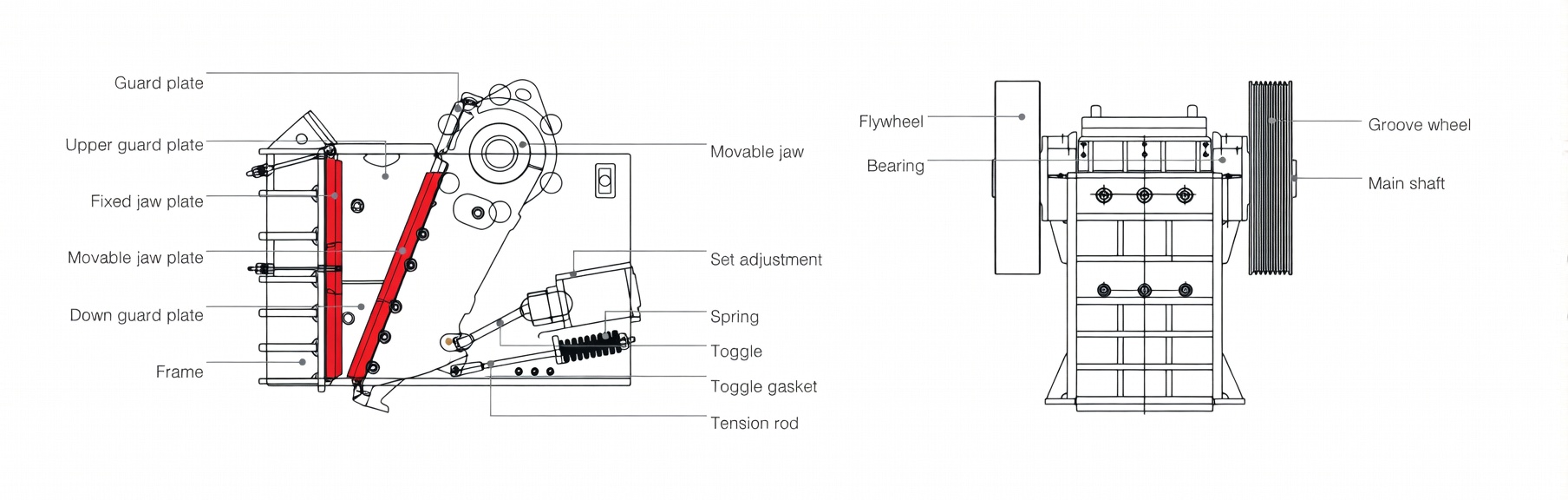
From a structural point of view, the Jaw Crusher mainly includes the frame, movable jaw, fixed jaw plate, toggle plate, adjustment seat, flywheel, eccentric shaft, bearing, and tension rod. During operation, the eccentric shaft drives the movable jaw to compress and release the material against the fixed jaw plate, so that large feed is gradually reduced to the required discharge range.
In a complete crushing line, the process does not stop at one machine. After primary crushing, the material may move to secondary crushing, then screening, and, if necessary, return for another reduction cycle. For many projects, Jaw Crusher handles the first stage, while downstream equipment refines the product according to output target and line purpose.
Wear Parts and Service Life in Daily Operation
A rock crusher works by applying mechanical force to reduce large material into smaller sizes. Depending on the machine type, the crushing action may be based on compression, impact, or hammering. The material enters through the feed opening, passes through the crushing chamber, and is reduced before moving to the next process.
From a structural point of view, the Jaw Crusher mainly includes the frame, movable jaw, fixed jaw plate, toggle plate, adjustment seat, flywheel, eccentric shaft, bearing, and tension rod. During operation, the eccentric shaft drives the movable jaw to compress and release the material against the fixed jaw plate, so that large feed is gradually reduced to the required discharge range.
In a complete crushing line, the process does not stop at one machine. After primary crushing, the material may move to secondary crushing, then screening, and, if necessary, return for another reduction cycle. For many projects, Jaw Crusher handles the first stage, while downstream equipment refines the product according to output target and line purpose.
Related Equipment in a Jaw Crusher Line
In practical projects, Jaw Crusher is usually the front-end unit, while the rest of the line may include downstream crushing, sand-making, washing, screening, and support equipment depending on the required final product. For buyers, these matched units matter because line performance is affected not only by the primary crusher, but also by how the supporting equipment is selected and connected.
Typical related equipment may include:
• Secondary crushing options: Impact Crusher or Heavy Hammer Crusher
• Sand-making options: Roller Sand Making Machine or other shaping units
• Washing options: Drum Sand Washing Machine or Spiral Sand Washer
• Screening support: Vibrating Screen for size separation and recirculation
• Line support items: Electrical cabinet, reducer, spare parts, and conveyor-related components
For procurement, these units should be treated as matched equipment in the line rather than as isolated add-ons. The main question is whether they support the output target, washing requirement, maintenance access, and overall operating stability after the Jaw Crusher stage.
How Do You Measure Jaw Crusher Gap
Jaw crusher gap is directly related to output size and crushing efficiency. If the discharge setting shifts too far, final product size may become unstable and wear on crushing parts may become uneven. That is why regular gap checking is part of practical jaw crusher operation.
In actual use, the gap should be checked under proper shutdown and safety conditions, and the method should follow the machine structure and adjustment design. From a production point of view, gap control matters because it affects downstream screening, product consistency, and maintenance planning.
Rock Crusher Failure Map
A crusher page becomes more useful for procurement when it explains not only the machine type, but also the failure points that usually delay acceptance or increase operating cost.
Typical failure points may include:
• Feed Too Large: Front-end opening overloaded, causing unstable first-stage loading
• Secondary Crusher Mismatch: Final grading not considered, causing excessive recirculation
• Wear Parts Not Planned: Early stoppage after startup because spare-parts scope was not defined
• Critical Records Missing: Weld or fit-up records incomplete, causing release delay
• Unclear Spare-Parts Scope: Longer downtime after commissioning because replacement planning was incomplete
For procurement, these points matter because the risk is not only whether the crusher can run, but whether the project can be released, delivered, installed, and maintained without avoidable disruption.
Why Choose Octal Steel
For heavy-equipment supply, the value of Octal Steel should be measured in coordination, document discipline, and delivery readiness. Buyers usually need a clearer bridge between equipment list, drawing confirmation, inspection release, and shipment status, especially when the order covers more than one machine.
Another practical advantage is quotation clarity. When the project starts from feed condition, output target, and line purpose, it becomes easier to align the machine package and reduce mismatch risk. For projects where Jaw Crusher is the anchor machine, the quotation should help the buyer understand the front-end reduction role, the downstream matching logic, and the release file package needed for acceptance.
If required, the quotation can also cover downstream crushing, sand-making, washing, screening, and related support equipment as part of a more complete line package.
Ordering Notes
To avoid rework during quotation or release, a rock crusher inquiry should clearly state these points:
• Material to be crushed: Stone type and condition
• Maximum feed size: Front-end design basis
• Target output size: Required finished product range
• Expected capacity: Throughput basis for line matching
• Plant preference: Fixed Line or Mobile Line
• Power supply basis: Electrical requirement if applicable
• Order scope: Single machine or complete line package
If third-party inspection or witness points are required, that should be written into the inquiry stage rather than added at final release.
For orders centered on Jaw Crusher, it is also useful to define whether the buyer needs only the primary unit or expects guidance on the downstream crusher, screen, conveyor, and spare-parts scope. This helps clarify whether the supplier is quoting one machine only or supporting a more complete line-matching solution.
FAQ
Q1: What is a rock crusher?
A1: A rock crusher is equipment used to reduce blasted stone, quarry feed, or other hard material into smaller sizes for aggregate production, sand-making lines, or related crushing applications. In procurement, the main concern is not only the machine type itself, but whether it matches the feed size, target output, plant layout, and wear-part planning.
Q2: What crusher types are commonly included in a rock crushing line?
A2: A typical rock crushing line may include jaw crusher, impact crusher, heavy hammer crusher, cone crusher, and mobile rock crusher, depending on the crushing stage and final product requirement. In many projects, jaw crusher is used as the primary crushing unit, while the secondary stage is selected based on material condition, output shape, and production target.
Q3: Why is jaw crusher often discussed first in a rock crusher project?
A3: Jaw crusher is often discussed first because it usually defines the primary reduction stage and affects the rest of the line configuration. Once the jaw crusher is confirmed, it becomes easier to determine the downstream crusher, screen, conveyor arrangement, and spare-parts scope.
Q4: What information should be included in a rock crusher inquiry?
A4: A complete inquiry should clearly state the material to be crushed, maximum feed size, target output size, required capacity, plant type, and whether the requirement is for a single machine or a complete crushing line. If there are special inspection, document, or delivery requirements, they should also be confirmed before quotation release.
Q5: What manufacturing and inspection points are important before shipment?
A5: Before shipment, buyers usually focus on approved drawing confirmation, critical-dimension inspection, fit-up checks, test-run records, packing list, and spare-parts list. If required by the order scope, weld NDT and other inspection points should be carried out according to the agreed ITP before final release.

Social Share