Your Responsible Supplier Partner for Oil and Gas Products.

API 620 Tank
Recent Products



Rencent Articles






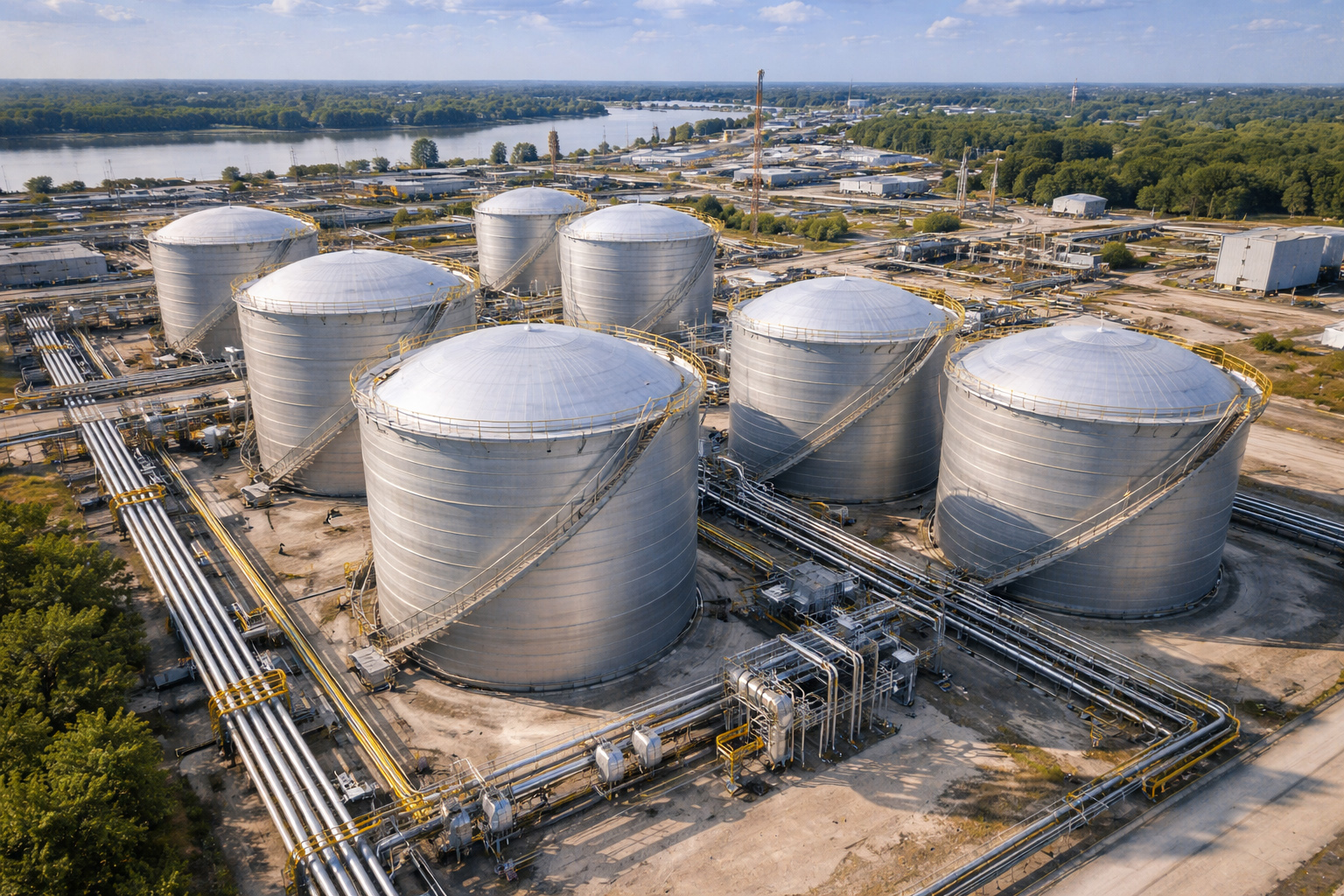
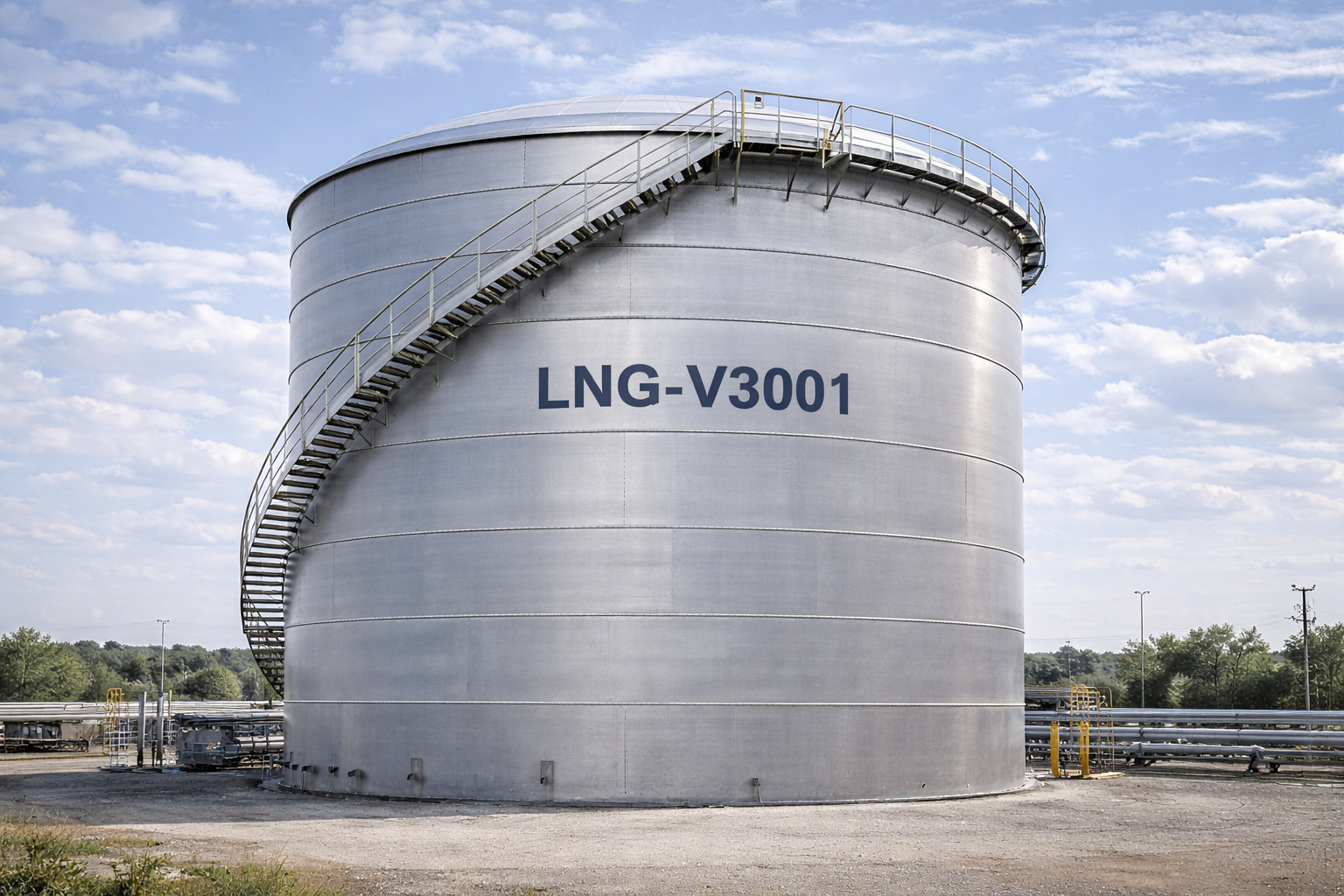
What Are API 620 Tank
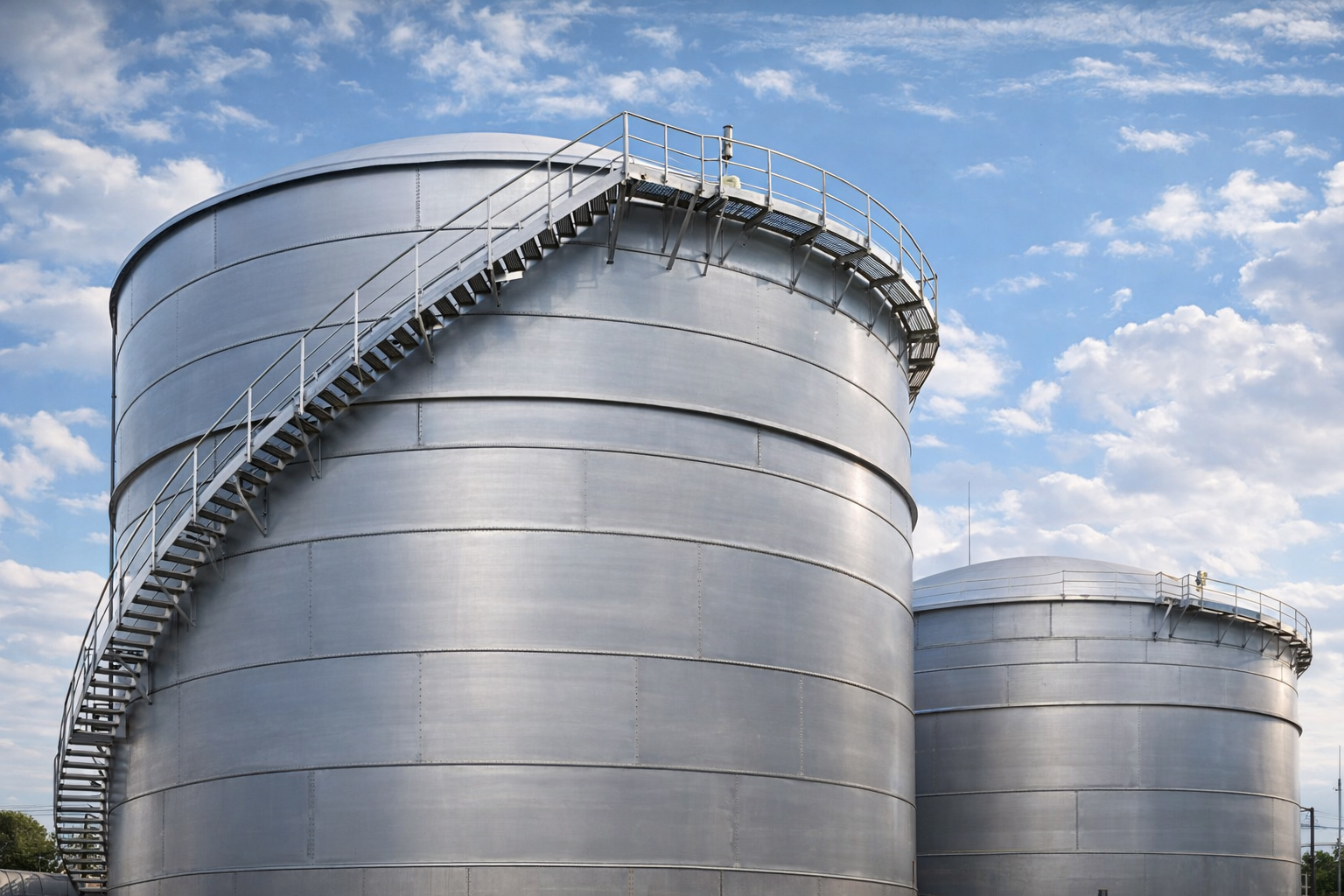
API 620 tank are large, field-erected, welded aboveground tanks designed for low-pressure storage service. They are typically used when the storage duty goes beyond ordinary atmospheric tank conditions but is still handled as a tank design route rather than a conventional pressure-vessel application. In practical projects, API 620 is usually considered when pressure, temperature, vapor-space condition, and stored medium place the tank outside the usual scope of ordinary atmospheric oil storage.
In this type of service, tank selection is not defined by capacity alone. The more important factors are the design pressure, design temperature, stored product condition, gas or vapor space above the liquid, and whether the duty involves refrigerated or gas-related storage. That is why API 620 storage tanks are more often associated with technically demanding storage applications than with standard non-refrigerated atmospheric tank projects.
| Parameter | API 620 Decision Window | Why It Matters |
|---|---|---|
| Basic pressure scope | Low-pressure service up to 15 psig | Helps decide whether API 620 is still the right code basis |
| Basic temperature scope | Up to 250°F metal temperature | Affects code route and material review |
| Tank type | Large, field-erected, aboveground, welded tanks | Distinguishes API 620 from shop-built commodity tanks |
| Product condition | Liquid with vapor space, or gas/vapor alone | Defines whether low-pressure tank logic applies |
| Low-temperature route | Annex R and Annex Q cover refrigerated and liquefied-gas service | Important for low-temperature storage selection |
API 620 Annex R Public Reference-Octal Steel
API 620 Annex-Q Public Reference-OctalSteel
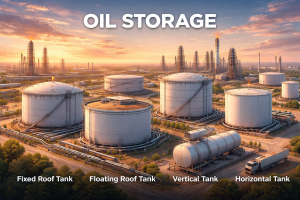
When API 620 Tanks Are Used
API 620 storage tanks are typically selected when the storage case involves low-pressure duty, refrigerated service, or controlled vapor-space conditions that go beyond a simple atmospheric tank application. The actual project route depends on how the product behaves in storage, how pressure is managed above the liquid, and whether temperature control changes the material and inspection requirements.
Terminal Refrigerated Storage
Large terminal storage is one of the most common settings for this tank route. Here, the stored product must remain below ambient temperature under controlled low-pressure conditions, and the storage concept depends on both temperature stability and vapor-space management. Typical services include refrigerated ammonia, LPG, and selected low-temperature gas storage systems.
In these projects, volume alone does not decide the tank type. The real design drivers are low-temperature material behavior, pressure boundary, insulation concept, and long-term storage stability. Field-erected construction is often preferred because it supports large-capacity installation on site while staying within the required low-pressure storage basis.
Plant-Side Liquefied Gas Storage
Another common application is plant-side storage for liquefied gases and process intermediates in refineries, gas processing facilities, and petrochemical units. In this setting, the tank is part of an operating system rather than a standalone storage vessel.
What matters most is how the tank performs under process conditions. That usually includes vapor-space pressure control, filling and unloading cycles, upset cases, and tie-in with adjacent process equipment. API 620 is often selected here because it offers a practical route between ordinary atmospheric storage and full pressure-vessel design.
Bulk Tank Farm Storage with Controlled Vapor Space
Bulk tank farm projects also move into API 620 territory when vapor-space behavior becomes a controlling design factor. Under these conditions, normal operation, fill rate, temperature variation, and emergency scenarios can all influence internal pressure and therefore the storage route.
Once vapor-space control becomes part of the design basis, the project is no longer judged by shell size alone. The tank has to be assessed against the combined effect of pressure range, stored medium behavior, operating temperature, and required construction form, which is why API 620 is often used in technically more demanding bulk storage service.

API 620 Tank Design Basics
Design Basis Comes First
Good API 620 tank design starts with the real operating basis, not just the required volume. The key inputs usually include stored medium, design pressure, design temperature, vapor-space condition, upset cases, and whether the tank is part of a larger refrigerated or liquefied-gas-related system. If those points are not defined early, the quotation may look complete while the technical route remains misaligned.
Service Conditions Control the Route
A tank storing an ordinary non-refrigerated liquid is not reviewed the same way as a tank storing refrigerated product or liquefied gas. Once low temperature or controlled vapor-space behavior enters the project, the design route shifts toward material toughness, venting, examination, documentation, and related standards beyond API 620 alone.
Materials Follow Temperature and Service
In ambient service, buyers often focus on fabrication practicality and delivery. In refrigerated or liquefied-gas service, the discussion shifts toward low-temperature performance, weldability, brittle-fracture resistance, and traceable material release. This makes material selection a major technical decision rather than a routine purchasing item.
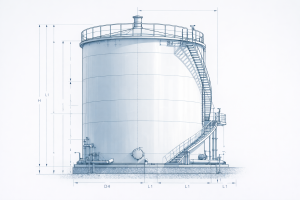
API 620 Tank Design Pressure and Temperature Limits
API 620 Tank Design Pressure
For buyers, the first checkpoint is not tank size. It is whether the storage case still stays within the API 620 pressure window. API’s published scope places API 620 at gas or vapor space pressures not more than 15 psig, which means it is used for low-pressure aboveground storage, not for general pressure-vessel duty. Once the design case moves above this boundary, the project usually needs to be reviewed under ASME Section VIII Division 1, which applies to vessels operating at pressures exceeding 15 psig.
From a procurement point of view, this matters because an inquiry that only says “storage tank” is incomplete. The buyer should confirm at least four items before RFQ: normal operating pressure, upset pressure, vapor-space condition, and whether pressure relief or venting has already been defined by the engineer of record. If those points are still open, the tank supplier may price one code route while the end user expects another.
API 620 Tank Pressure Rating
The phrase “API 620 tank pressure rating” is often used in search, but in real projects the useful question is simpler: does the tank remain a low-pressure storage tank, or has it crossed into pressure-vessel territory? API 620 is meant for large, field-assembled, welded, aboveground storage tanks within the low-pressure range. It is not a shortcut for medium-pressure process vessels. If the project includes repeated pressure swings, aggressive loading and unloading cycles, or abnormal vapor generation, the buyer should ask for the design basis memorandum or tank data sheet instead of relying on a generic tank label.
A more useful buyer check is this:
≤ 15 psig usually keeps the project in the API 620 discussion;
> 15 psig is the point where ASME Section VIII Div. 1 becomes the more likely code route.
Temperature Limits and Annex Selection
Temperature is the second major decision point. API’s published scope places the general API 620 temperature boundary at not greater than 250°F. For lower-temperature service, API 620 moves into dedicated annex routes. Annex R covers refrigerated products from +40°F to -60°F, while Annex Q covers liquefied gases at temperatures not lower than -325°F. These numbers matter because a tank can remain low-pressure and still require a very different material and inspection route once the service becomes refrigerated or cryogenic.
This is also where buyers need to separate API 620 from API 650. API 650 applies to tanks in non-refrigerated service with a maximum design temperature of 93°C (200°F). So if the project includes refrigerated product storage, low-temperature liquid service, or cryogenic handling, the buyer should not assume that API 650 and API 620 are interchangeable.
In practical terms, the buyer should confirm these points before asking for price:
• Design pressure: Is the vapor space still within 15 psig?
• Design temperature: Is the service ambient, refrigerated, or cryogenic?
• Annex route: Does the project need Annex R or Annex Q?
• Venting basis: Has normal and emergency venting been checked against API 2000 for atmospheric or low-pressure storage tanks?
• Inspection route: Does the low-temperature service require a stricter material and examination package?
Pressure and temperature should always be reviewed together. A tank may still look like a standard aboveground storage tank, but the code route, material route, and buyer risk can change completely once the service moves into refrigerated or liquefied-gas duty. For a broader overview of API 620, typical applications, and project considerations, you can also refer to our detailed guide on API 620.
Technical Reference PDF
For a more detailed review of API 620 design boundaries, pressure limits, and example engineering notes, see our API 620 Design Parameters and Example Engineering Notes PDF.
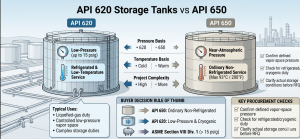
API 620 Storage Tanks vs API 650
For buyers, the practical question is not which standard sounds more advanced. It is which one actually matches the storage duty. API 650 is mainly used for non-refrigerated aboveground storage and applies to tanks with a maximum design temperature of 93°C (200°F). API 620 is used when the project moves into low-pressure storage, more demanding vapor-space conditions, or lower-temperature service, with the pressure boundary at not more than 15 psig and a general metal temperature limit of 250°F.
This difference matters early in procurement. If the end user is storing an ordinary liquid in non-refrigerated service, API 650 is usually the more direct route. If the project includes refrigerated storage, liquefied-gas-related duty, or controlled low-pressure vapor space, API 620 becomes the more relevant starting point. The key is to match the code route to the actual operating condition, not just the tank type.
| Item | API 620 | API 650 | Buyer Decision Point |
|---|---|---|---|
| Basic pressure basis | Low-pressure service up to 15 psig | Near-atmospheric storage service | Confirm whether the tank must hold a defined vapor-space pressure |
| Temperature basis | Used for more demanding low-temperature or refrigerated service | Mainly used for ordinary non-refrigerated service | Confirm whether the project includes refrigerated or cryogenic duty |
| Typical selection logic | Low-pressure, refrigerated, liquefied-gas-related, or vapor-space-controlled storage | Conventional aboveground oil storage | Clarify the actual storage condition before RFQ |
| Project route | Usually selected when storage duty is more complex | Usually selected for simpler atmospheric tank duty | Check whether the project requires a more specialized design route |
In short, buyers can use this rule of thumb:
• API 650: Better aligned with ordinary non-refrigerated storage
• API 620: Better aligned with low-pressure or refrigerated storage
• ASME Section VIII Div. 1: Required once design exceeds 15 psig
API 620 Tank Inspection Requirements
Inspection should be defined before pricing, not after fabrication starts. In API 620 tank projects, technical gaps often turn into commercial problems when the inquiry does not clearly state material traceability, welding review, examination scope, dimensional checks, and final document requirements. If these points are left open, one supplier may quote a basic fabrication scope while the buyer expects a much stricter release package.
The issue becomes more important in low-pressure refrigerated storage, liquefied-gas-related service, or other temperature-sensitive duty. In these cases, the tank is not accepted only by appearance or nominal dimensions. What usually matters at handover is whether the tank has been released through the correct control route, supported by material certificates, welding records, examination records, test reports, and final turnover documents. Without that document chain, site acceptance can be delayed even when fabrication is already complete.
From a purchasing and project-control standpoint, inspection planning should answer three practical questions early:
• What must be checked before fabrication starts
• What must be reviewed or witnessed during fabrication or erection
• What documents must be submitted before shipment, handover, or final acceptance
That is why inspection should be treated as part of the design and purchasing basis, not as a late-stage quality formality. A clear inspection scope helps align the quotation, reduce release disputes, and improve supplier comparison.
| Inspection Item | Project Meaning | When Buyer Should Confirm It |
|---|---|---|
| Material traceability | Keeps plates, consumables, and heat identification tied to the approved material route | Before material approval and fabrication start |
| WPS / PQR and welding route | Sets the qualified welding path for the design basis, material grade, and service condition | Before shop or field welding begins |
| Examination and NDE scope | Defines the required RT, UT, MT, PT, or other examination route under the project specification and applicable annexes | Before quotation is finalized |
| Dimensional verification | Controls erected geometry, shell alignment, and key tolerances against the approved design basis | Before handover and site acceptance |
| Manufacturer’s report and final records | Closes drawings, material records, welding records, examination reports, and release documents back to the same code basis | Before shipment or erection completion |
In short, the key issue is not only how the tank will be built, but also how it will be released, documented, and accepted.
Are API 620 Tank Sizes Standard
API 620 tank sizes are not normally selected from one fixed commodity size list. In practice, final size is developed around required capacity, design pressure, design temperature, service condition, and site constraints. That is why most API 620 tanks are project-specific, even when two tanks look similar at first glance.
A more practical way to review size is to confirm how diameter and height are selected. Capacity is only one variable. Storage duty, venting behavior, insulation needs, erection constraints, and operating condition also affect the final configuration.
Related Standards That Often Matter
API 620 should not be reviewed in isolation. In real projects, venting may also need to be checked against API 2000, while storage cases moving beyond the low-pressure boundary may require review under ASME Section VIII Division 1. In LNG- or refrigerated-gas-related service, broader facility and safety requirements may also affect the final storage solution.
FAQ
Q1: What are API 620 storage tanks used for?
API 620 storage tanks are used for large, field-assembled, welded, low-pressure aboveground storage service, especially where the duty goes beyond ordinary atmospheric storage.
Q2: When should API 620 be used instead of API 650?
API 620 is generally used for low-pressure storage tanks, while API 650 is the more common route for atmospheric welded storage tanks.
Q3: Can API 620 storage tanks be used for refrigerated or low-temperature service?
Yes. API 620 includes low-temperature routes through Annex R for refrigerated products from +40°F to -60°F and Annex Q for liquefied gases at temperatures not lower than -325°F.
Q4: What are the main design limits in API 620 storage tanks?
The public API scope highlights three core limits: large welded aboveground tanks, gas or vapor space not more than 15 psig, and metal temperatures not greater than 250°F.