Your Responsible Supplier Partner for Oil and Gas Products.

Incoloy 825 / Nickel Alloy 825 / UNS N08825 Pipe and Tube
Hot Topic

Rencent Articles
Recent Resources
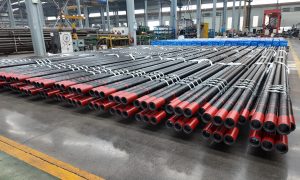
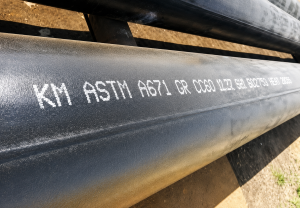
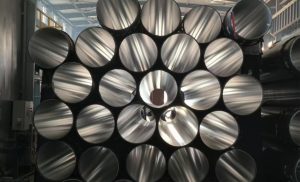
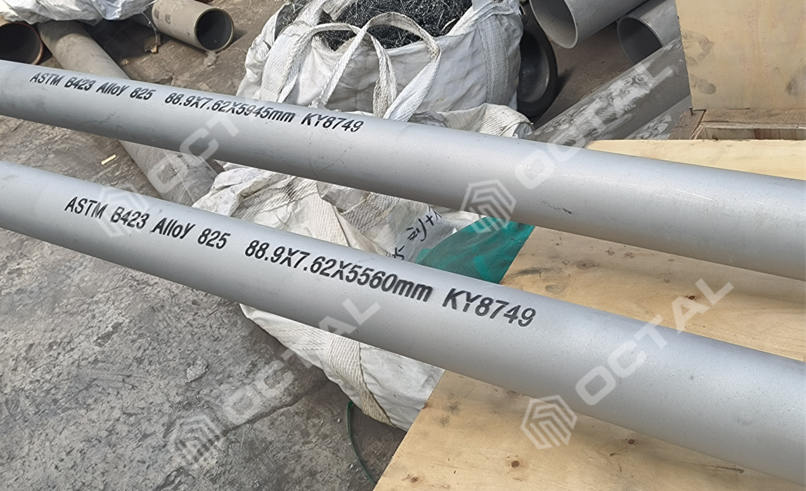
Incoloy 825 / Nickel Alloy 825 / UNS N08825 Pipe and Tube
Inconel 625 (ASTM B444 UNS N06625) Nickel-Chromimum-Molybdenum-Columbium Alloys (Nickel 58%)
Incoloy 825 (ASTM B424 N08825) Nickel-Iron-Chromium-Molybdenum-Copper Alloy (Nickel 38 to 46%)
Wall thickness: SCH 10, SCH 40, SCH STD, SCH 80, SCH XS, SCH 160
Length: 6 meters, 12 meters or customized.
CRA Lined or Clad Pipes with 625 or 825: Lined or clad with carbon steel pipe with mechanical bonding or weld overlay
Incoloy 825 (Nickel Alloy 825 or UNS N08825) is a nickel-iron-chromium alloy with additions of molybdenum, copper and titanium. It is high Nickel content material with minimum Ni 38% to 46%, combined with small value of Mo, Cu and Ti gives Incoly 825 enhanced corrosion resistance to many corrosive environments. It is similar to alloy 800 but has improved resistance to aqueous corrosion. Alloy 825 is especially resistant to sulfuric and phosphoric acids. Alloy 825 pipe (also searched as Incoloy 825 pipe, nickel alloy 825 pipe, or simply 825 pipe) is typically specified when corrosion resistance must hold up in mixed acid environments, chloride-containing media, and temperature ranges where common stainless grades can be marginal. From a buyer’s perspective, the key is to lock the product form (pipe vs tube), manufacturing route (incoloy 825 seamless pipe vs 825 nickel alloy welded pipe), and the acceptance scope required at receiving so quotes remain like-for-like.
Incoloy 825 Features
Density 8.14 g/cm3, 0.294 lbs/in3, tensile Strength 586 Mpa (85 Ksi) minimum, yield strength 241 Mpa (35Ksi) minimum, It has excellent resistance to both reducing and oxidizing acids, to stress-corrosion cracking, and to locized attach such as pitting and crevice corrosion. In procurement and receiving, these property values matter most when they are traceable to the actual shipment. Buyers typically confirm that the MTC lists chemistry and mechanical results by heat number, then cross-check marking on each piece/bundle against the packing list. For mixed lots or split deliveries, a clean heat-to-piece traceability list is often what prevents delays—especially when multiple heats arrive under one PO.
The higher comprehensive performance of Incoloy 825 is showed in nuclear combustion dissolvers with various corrosive media environment, such as sulfuric acid, nitric acid and sodium hydroxide mixed and processed in the same equipment.
Common Trade Names: Incoloy 825, Alloy 825, Nickelvac 825, Nicrofer 4241, UNS N08825, W.Nr. 2.4858
Applications for Incoloy 825, Nickel Alloy 825, UNS N08825
Due to its superior corrosion resistance characteristics, Incoloy 825 is in use in a number of industries and applications including:
• Chemical processing components
• Oil and gas piping, recovery
• Acid production
• Pickling tank heaters, tanks, and equipment
• Marine exhaust systems
• Pollution control equipment
• Calorifiers
• Hot vessels for food, water, and seawater
• Nuclear fuel reprocessing
• Radioactive waste handling
For alloy 825 pipe chemical processing service, selection is usually driven by the corrosion mechanism rather than a generic “acid duty” label. Buyers often define the media (acid type and concentration), chloride level, operating temperature, and whether conditions are oxidizing or reducing, then align the material choice to localized corrosion risks (pitting/crevice) and stress corrosion concerns. This is why project documents commonly specify not only Alloy 825 / UNS N08825, but also the governing standard, supply condition where stated, and the required documentation scope for acceptance.
It is an alloy that provides high levels of corrosion resistance to both moderately oxidizing and moderately reducing environments.
Advantages
• Excellent resistance to both reducing and oxidizing acids like sulfuric and phosphoric
• Helps avoid stress-corrosion cracking
• Stops localized attacks such as pitting and crevice corrosion
• High level of resistance to variety of oxidizing substances such as nitric acid, nitrates, and oxidizing salt
| Service Environment | Why Alloy 825 Is Commonly Chosen | What to Specify in the RFQ |
|---|---|---|
| Mixed acid service (oxidizing + reducing conditions) | Balanced resistance across mixed acid conditions when stainless grades may be borderline | Media + temperature, standard, product form (pipe/tube), MTC + traceability requirements |
| Chloride-containing environments with corrosion risk | Improved resistance profile for chloride-related corrosion concerns in specified conditions | Chloride level, temperature, corrosion allowance, surface/finish expectation, inspection scope |
| Plant piping packages (multi-vendor, multi-lot) | Procurement-friendly when documents/traceability are disciplined across lots | Heat-to-piece traceability list, consistent marking, packing list alignment, optional PMI |
Chromium content confers resistance to a variety of oxidizing substances such as nitric acid, nitrates and oxidizing salt.
Molybdenum offers aids resistance to pitting and crevice corrosion.
Titanium addition with an appropriate heat treatment, to stabilize the alloy against sensitization to intergranular corrosion.
Reference Standard material of ALLOY 825
INCOLOY Alloy 825 is designated as UNS N08825 in ASTM AB424 and Werkstoff Number 2.4858. Listed in NACE MR0175 for oil and gas service.
To avoid bid mismatch, buyers usually state the standard in the same line as the product form (for example, incoloy 825 seamless pipe vs 825 nickel alloy welded pipe) and then lock the document scope required for acceptance. If the project is controlled by an ITP, it helps to specify the minimum document pack (MTC + traceability list + dimensional checks) and add PMI and weld seam NDT only when required by the inspection plan. This prevents later “scope upgrades” that change price and lead time mid-procurement.
• Rod, Bar, Wire and Forging Stock: BS 3076NA16, ASTM B 425, ASTM B 564, ASME SB 425, ASME SB 564, ASME Code Case N-572, DIN 17752, DIN 17753, DIN 17754, VdTÜV 432, ISO 9723, ISO 9724, ISO 9725.
• Plate, Sheet and Strip: BS 3072NA16, BS 3073NA16, ASTM B 424, ASTM B 906, ASME SB 424, ASME SB 906, DIN 17750, VdTÜV 432, ISO 6208.
• Pipe and Tube: BS 3074NA16, ASTM B 163, ASTM B 423, ASTM B 704, ASTM B 705, ASTM B 751, ASTM B 775, ASTM B 829, ASME SB 163, ASME SB 423, ASME SB 704, ASME SB 705, ASME SB 751, ASME SB 775, ASME SB 829, ASME Code Case 1936, DIN 17751, VdTÜV 432, ISO 6207.
• Others: ASTM B 366, ASME SB 366, DIN 17744
Chemical Composition of Incoly 825, Nickel Alloy 825 and UNS N08825
For receiving inspection and bid leveling, presenting the alloy chemistry in a scan-friendly format helps buyers quickly cross-check MTC values and reduces confusion when multiple heats arrive under one PO. The final acceptance should follow the governing standard and the actual MTC for the supplied heat(s).
| Element | Typical UNS N08825 Range (Confirm per Standard & MTC) |
|---|---|
| Ni | 38–46% |
| Cr | 19.5–23.5% |
| Fe | Balance (commonly 22% min) |
| Mo | 2.5–3.5% |
| Cu | 1.5–3.0% |
| Ti | 0.6–1.2% |
| C | 0.05% max |
| Mn | 1.0% max |
| Si | 0.5% max |
| S | 0.03% max |
| Al | 0.2% max |
Incoloy 825 is available via Continental Steel in wide variety of shapes and forms including, pipe, tube, sheet, strip, plate, round bar, flat bar, forging stock, hexagon, and wire. The various forms of Incoloy 825 meet different critical industrial standards from organizations like ASTM, ASME, BS, SEW, DIN, EN, and ISO.
We stock and supply Incoloy 825, Nickel Alloy 825, UNS N08825 in Pipe, tube, sheet, strip, plate, round bar, flat bar, forging stock, hexagon and wire.
Incoloy 825 Products
• Steel Sheet
• Steel Plate
• Bars• Pipe & Tube (welded & seamless)
When “inconel 825 pipes & tubes” or “Incoloy 825 pipes & tubes” appears in project notes, buyers usually need the quotation to clarify whether the item is pipe (commonly specified by NPS + schedule) or tube (often OD + wall, tighter tolerances). For corrosion-critical duty, incoloy 825 seamless pipe is frequently selected to keep acceptance conservative; for size-driven requests, 825 nickel alloy welded pipe can be workable when the weld seam inspection scope is clearly defined in the RFQ and matched in the document pack.
• Pipe Fittings
If your package includes nickel alloy 825 pipe flanges, interface control usually comes down to matching bore/wall series to the pipe (NPS/schedule or OD/WT), confirming flange rating and facing (RF/RTJ as specified), and keeping the same certificate logic across the lot. This prevents “fits on paper but not on site” issues during spool fabrication and owner/EPC review.
For alloy 825 pipe fittings, the most common mismatch is quoting fittings to a different wall series than the pipe, or supplying documents that do not align with the pipe’s acceptance plan. Keeping the same size expression across the package and requesting consistent MTC formatting and traceability reduces rework and prevents hold points during receiving inspection.
| Item | What to Align | Documents to Request |
|---|---|---|
| Alloy 825 pipe | NPS + schedule (or OD/WT), length, end prep, acceptance scope | MTC + traceability list + dimensional report (PMI/NDT if required) |
| Nickel alloy 825 pipe flanges | Bore vs schedule, rating class, facing type (RF/RTJ), marking consistency | MTC (and PMI if required), traceability, dimensional check where needed |
| Alloy 825 pipe fittings | Wall series match to pipe, BW dimensions, tolerance expectation | MTC + traceability (PMI/NDT if required by ITP) |
• Elbows, tees, stub-ends, returns, caps, crosses, reducers, pipe nipples. etc.
• Weld Wire (AWS Classification: ERNiFeCr-1 y ENiCrMo-3) Weld overlay 825, Clad 825
• Steel Wire
For buyers screening a China Incoloy 825 pipe factory or supplier, the practical qualifier is whether the shipment can pass receiving inspection with minimal clarification cycles. The quickest approvals usually come from a document pack that follows the packing list order (by bundle/lot), a clear heat-to-piece traceability list, and consistent marking—especially when the PO includes mixed sizes, split shipments, or multiple heats.
| Document / Record | What It Confirms | Why It Matters |
|---|---|---|
| MTC (EN 10204 3.1 commonly requested) | Chemistry + mechanical results tied to heat | Confirms compliance to the purchased specification |
| Marking + traceability list | Heat-to-piece mapping by bundle/lot | Prevents mixed-lot issues and audit gaps |
| Dimensional inspection report | OD/WT/length checks and tolerance notes if required | Confirms what is physically delivered vs PO line |
| PMI (when required) | Alloy identity verification | Reduces wrong-material risk on site |
| NDT reports (when specified) | Inspection evidence per project ITP/spec | Supports owner/EPC acceptance where controlled |
Incoloy 825 VS Inconel 625 (UNS 08825 VS UNS N06625)
In the oil and gas industry, the two most important nickel alloys are Inconel 625 and Incoloy 825. The major difference between two materials is the nickel content value, for Inconel 625 Nickel 58% minimum, and for Incoloy 825 Nickel at range of 38% to 46%. And this makes the 625 material more expensive. In practice, selection is usually triggered by service definition and acceptance requirements rather than nickel content alone. If the project is framed around mixed acid chemical processing conditions and procurement needs a stable, spec-driven package, Alloy 825 is often chosen when it meets the corrosion mechanism and temperature inputs. When duty shifts toward environments where higher strength and broader high-temperature performance are prioritized, 625 may enter the comparison—but buyers typically confirm this by aligning media/temperature, fabrication requirements, and the inspection/document scope on a like-for-like basis.
| Selection Driver | Alloy 825 (UNS N08825) | Alloy 625 (UNS N06625) |
|---|---|---|
| Typical buying trigger | Chemical processing / mixed acid framing with spec-driven acceptance | When higher strength / broader high-temperature performance becomes the priority |
| Procurement control point | Define media + temperature + documents; keep MTC/traceability consistent | Align inspection scope and fabrication requirements to avoid “scope upgrades” |
Incoloy 825
lncoloy 825 is an austenitic nickel-iron-chromium-molybdenum-copper alloy also containing high levels of chromium, nickel, copper and molybdenum that can provide high levels of corrosion resistance to both moderately oxidizing and moderately reducing environments.
This balance of alloying elements grants this alloy exceptional resistance to both chloride stress corrosion cracking, as well as crevice corrosion and general corrosion. Chloride stress corrosion cracking is a type of localised intergranular corrosion on materials that are put under tensile strength, in high temperatures and in an environment that includes oxygen and chloride ions such as seawater. The addition of titanium in this alloy also helps to stabilize the alloy against intergranular corrosion.
Like other austenitic, nickel alloy, Alloy 825 is ductile over a wide range of temperatures from cryogenic to well in excess of 1000 °F (538 °C).
Inconel 625
Nickel alloy 625 is nickel-chromium-molybdenum-columbium alloy material, major content Nickel miniumum 58%, also called Inconel 625 or UNS NO6625 under standard ASTM B444 for pipes, or ASTM B443 for plates coils. Other chemical content Chromimum 20% to 23%, Columbium + tantalum 3.15% to 4.15%, Molybdenum 8.0% to 10.0%, columbium Cobalt allow 1.0% max if determined, Iron 5.0% max.
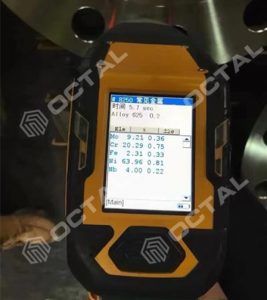
A Solid solution strengthened nickel-based deformed superalloy with molybdenum and niobium as the main strengthening elements. The high strength of Inconel 625 is due to the hardened combination of molybdenum and niobium on the nickel-chromium matrix of the alloy. The addition of molybdenum acts with the niobium to stiffen the alloy matrix, providing a high strength without a strengthening heat treatment.
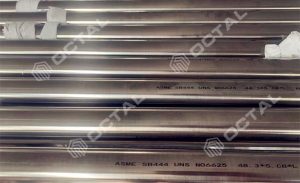
Inconel 625 is extremely resistant to a variety of unusually severe corrosive environments, including high temperature effects such as oxidation and carburization, including corrosion. Because of the solid solution of the refractory Co and Mo in a Nickel-Chromium matrix, provides 625 an outstanding strength and toughness in high temperature ranging from low up to 2000°F (1093°C).
MECHANICAL PROPERTIES OF INCOLOY 825
Ultimate Tensile Strength: 85 KSI min (586 MPa min) Yield Strength: (0.2% offset) 35 KSI min (241 MPa min) Elongation: 30% mi
FINISHES
Finish showed with surface smooth grade like other stainless steel products:
• 1 – Hot rolled annealed and descaled. It is available in strip, foil and ribbon. It is used for applications where a smooth decorative finish is not required.
• 2D – Dull finish produced by cold rolling, annealing and descaling. Used for deep drawn parts and those parts that need to retain lubricants in the forming process. #2B – Smooth finish produced by cold rolling, annealing and descaling. A light cold rolling pass is added after anneal with polished rolls giving it a brighter finish than 2D.
• BA- Bright annealed cold rolled and bright annealed
• CBA- Course bright annealed cold rolled matte finish and bright anneal
• 2 – Cold Rolled
• 2BA- Smooth finish produced by cold rolling and bright annealing. A light pass using highly polished rolls produces a glossy finish. A 2BA finish may be used for lightly formed applications where a glossy finish is desired in the formed part. Polished – Various grit finish for specific polish finished requirements. * Not all finishes are available in all alloys – Contact Ulbrich Sales for more information.
HEAT TREATMENT
Heat treatment usually by annealed and tempered. lncoloy Alloy 825 cannot be hardened heat treating.
On POs and receiving documents, buyers typically want the supply condition stated clearly so the MTC and marking are aligned to the agreed requirement. If the project requires a specific condition (for example solution-annealed where stated), note it in the RFQ/PO together with the governing standard, and confirm that the heat/lot marking and MTC reference the same condition to avoid acceptance questions later.
Our Supply Range For Nickel Alloy 625
• Standard and Grades: ASTM B424 N08825/ ASTM B444 UNS N06625
• 825 Material types: Nickel-Iron-Chromium-Molybdenum-Copper Alloy
• 625 Material types: Nickel-Chromimum-Molybdenum-Columbium Alloys
• Manufacturing types: Seamless hot rolled, anneald; Welded
• Sizes: 1/2” to 16”
• Wall thickness: SCH10, SCH 20, SCH 40, SCH STD, SCH 80, SCH XS, SCH 160
• Length: 6 meters, 12 meters or customized.
• CRA Lined or Clad Pipes with 825 or 625: Lined or clad with carbon steel pipe with mechanical bonding or weld overlay
FAQ
Q1: What is alloy 825 pipe used for in chemical processing?
A1: Alloy 825 pipe chemical processing applications are typically specified when buyers need corrosion resistance in mixed acid environments and chloride-containing media under defined temperature conditions. Projects usually confirm suitability by stating the media + temperature in the RFQ and verifying compliance at receiving using MTC chemistry, traceability, and the agreed acceptance scope.
Q2: How do I choose incoloy 825 seamless pipe vs 825 nickel alloy welded pipe?
A2: Incoloy 825 seamless pipe is often selected when buyers want a conservative acceptance route for corrosion-critical duty, while 825 nickel alloy welded pipe is commonly used for size-driven requests when the weld seam inspection scope is clearly defined. The key is to keep documents and inspection like-for-like across bids (MTC, traceability list, and any required PMI/NDT) so the approval criteria match the ITP.
Q3: What should I specify when buying nickel alloy 825 pipe flanges and alloy 825 pipe fittings with the pipe?
A3: For nickel alloy 825 pipe flanges and alloy 825 pipe fittings, the practical risk is interface mismatch—bore/wall series vs the pipe, rating/facing requirements, and inconsistent certification across vendors. Buyers typically align NPS/schedule (or OD/WT) across the package and request consistent MTC formatting and traceability so fabrication and receiving do not stall.
Q4: What should buyers check when qualifying a China Incoloy 825 pipe factory or supplier?
A4: For a China Incoloy 825 pipe factory or supplier, capacity matters—but approval time is often decided by documentation discipline. Buyers typically check whether the supplier can provide an acceptance-ready pack (MTC, heat-to-piece traceability list, dimensional inspection, and PMI/NDT when required) organized to match the packing list lot order, which reduces clarification cycles during EPC/owner review.
The resource belongs to the product
CRA Clad and Lined pipe
Click permalink to view detail & more descripton.
Social Share