Your Responsible Supplier Partner for Oil and Gas Products.

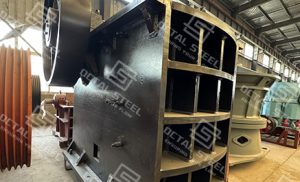
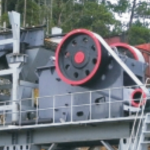
Jaw Crusher
Recent Products

Rencent Articles




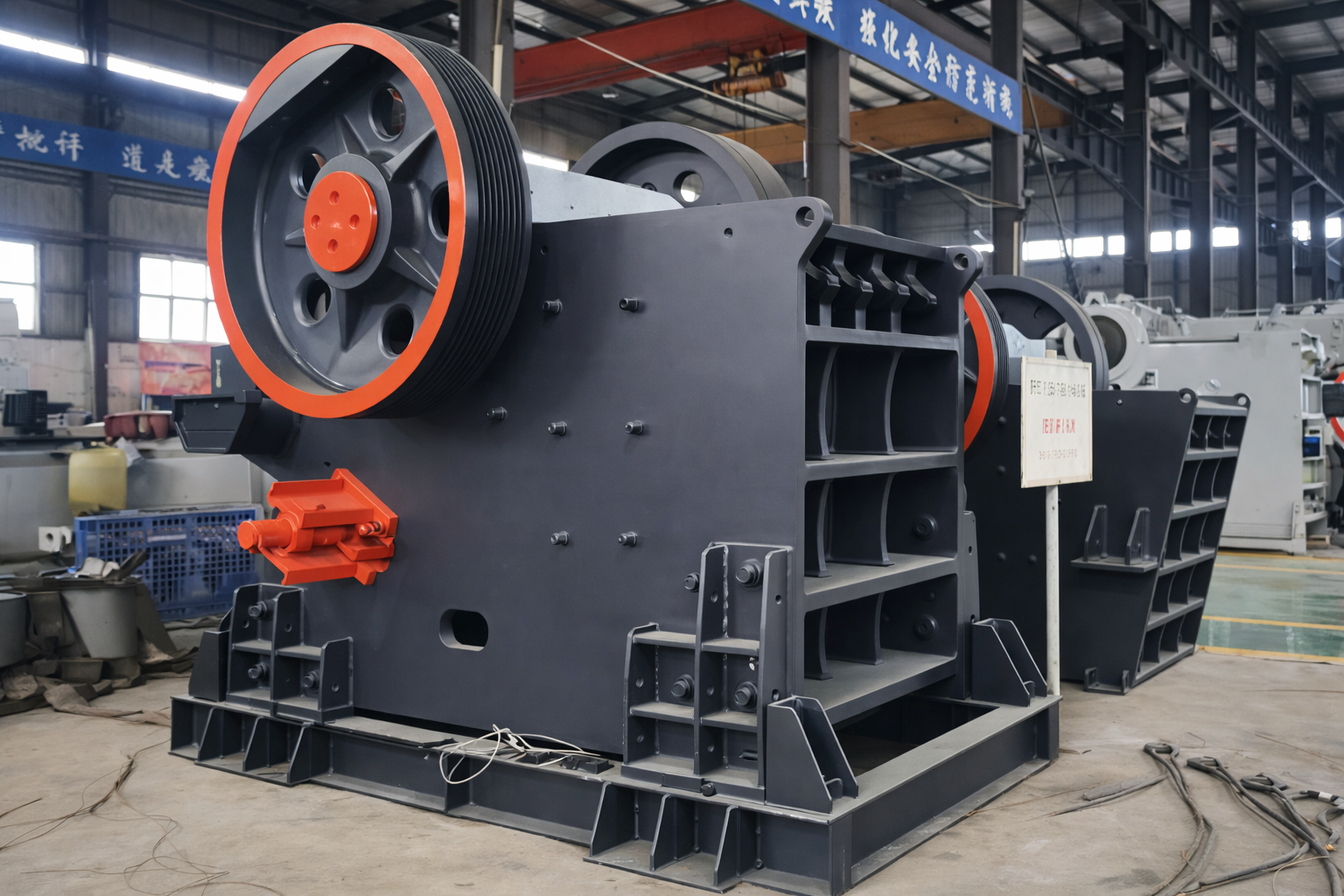
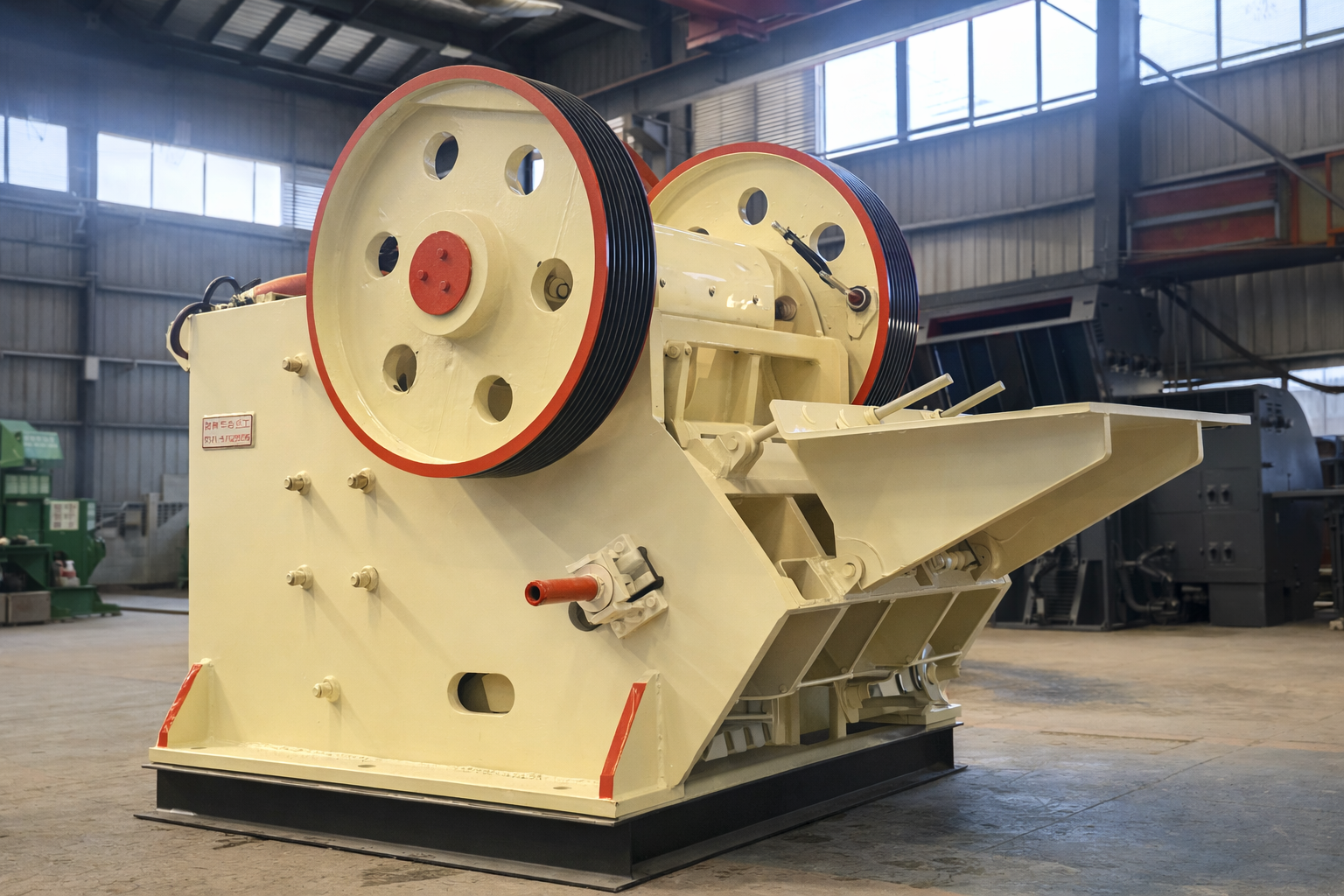
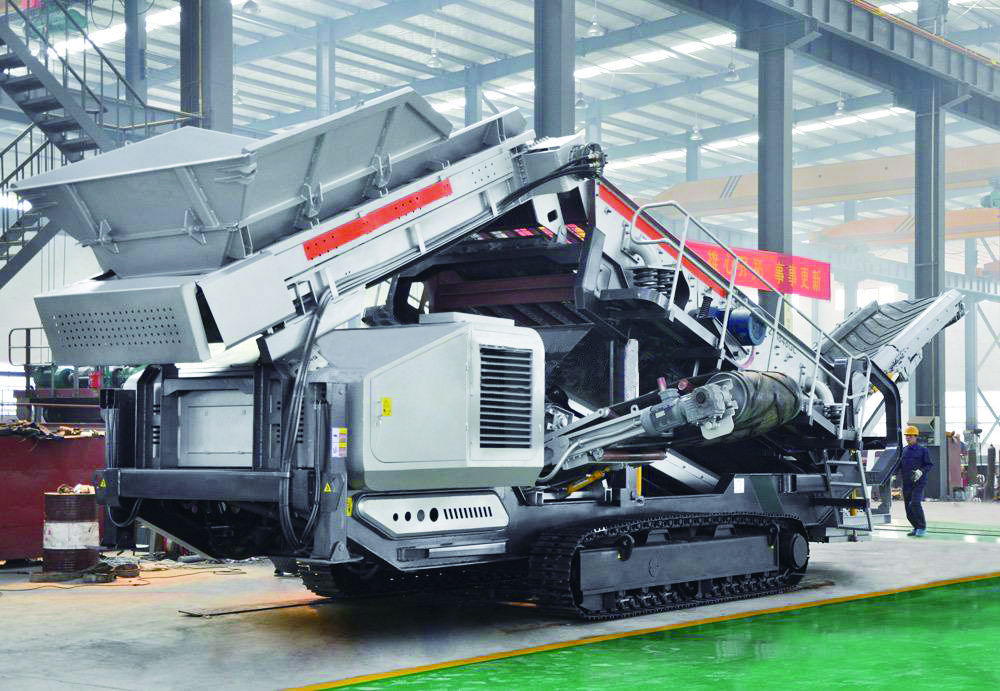
Jaw Crusher
Designed for primary crushing of rock, ore, concrete, and other coarse feed
Capacity: 8–1000 T/H
Feeding Size: 120–1200 mm
Output Size: 10–300 mm
Application:Covers a wide range from small-capacity units to heavy-duty primary crushers.Suitable for quarry, mining, aggregate, and recycling applications
A jaw crusher is a primary crushing machine used to break large rock, ore, concrete, and similar feed into a smaller size before secondary crushing or screening. Its crushing action is based on compression: one jaw remains fixed, while the other moves through an eccentric-driven motion and crushes the material inside a V-shaped chamber. That basic design is why jaw crushers are widely used at the front end of quarry, mining, aggregate, and recycling lines.
In practical selection, a jaw crusher is defined by feed opening, maximum feed size, discharge range, capacity, and installation layout rather than by model name alone. A common rule is to keep the largest feed at about 80% of the opening to reduce bridging and chamber blockage. The range includes both PE and PEX models for different crushing duties, covering 125–1200 mm maximum feed size, 10–350 mm discharge size, and 1–1000 t/h capacity.
How a Jaw Crusher Works
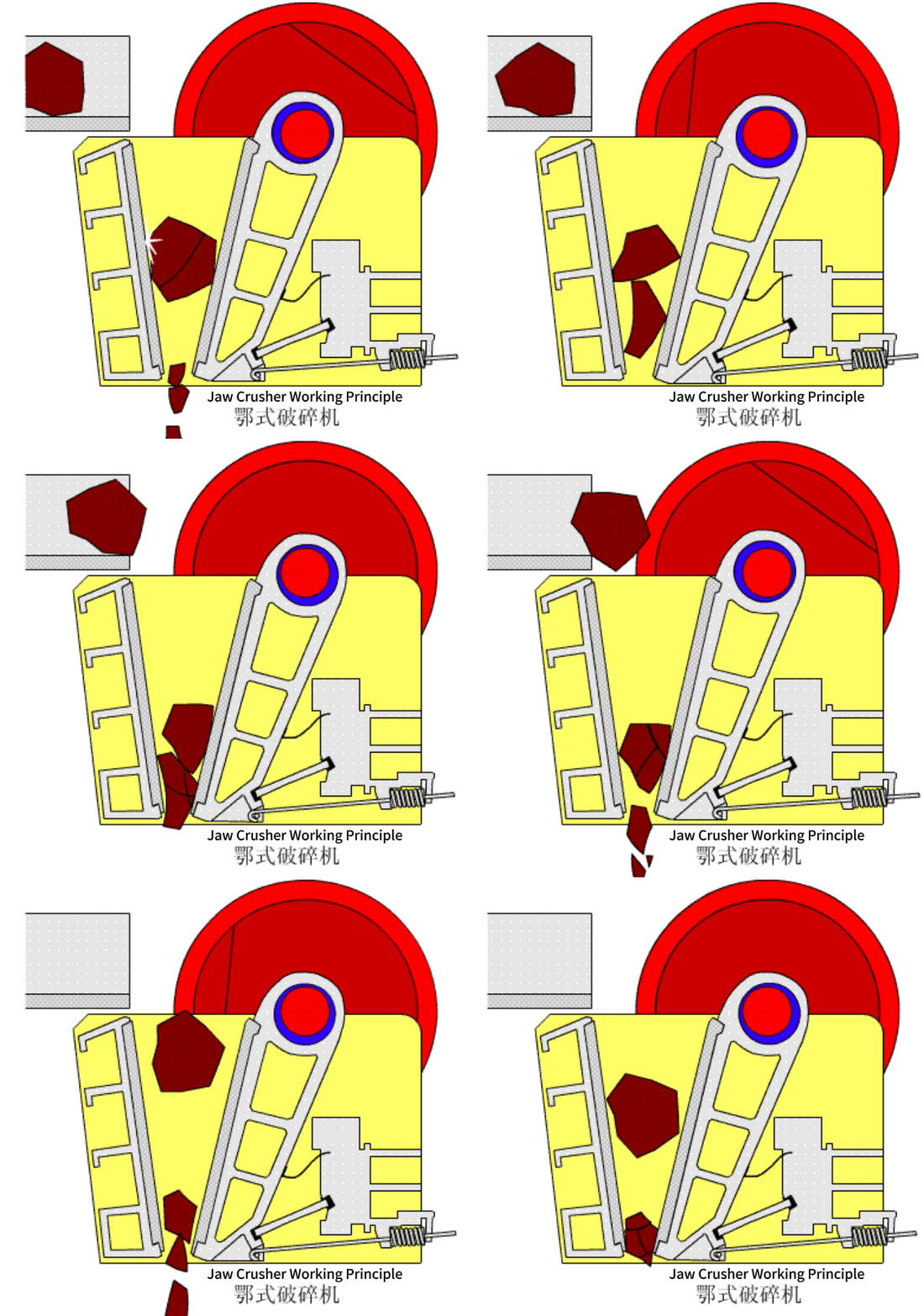
Material enters the crushing chamber from the top. The fixed jaw forms one side of the chamber, while the moving jaw is driven by an eccentric shaft and related toggle mechanism. As the moving jaw swings toward the fixed jaw, the feed is compressed and fractured. As the jaw moves away, the crushed material drops lower in the chamber. Once the particle size becomes smaller than the bottom setting, it is discharged. This repeated compression cycle is the core working principle of a jaw crusher.
This matters in selection because the crusher is not a fine-shaping machine. It is mainly a front-end reduction unit. Feed opening, chamber depth, stroke, and discharge setting determine how the machine accepts large lumps and how efficiently it passes material to the next stage. That is also why the working-principle blog can go deeper into the eccentric shaft, toggle movement, stroke, and closed-side setting, while this product page stays focused on application and selection.
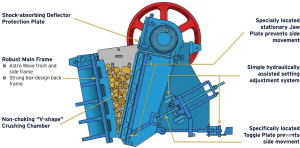
Product Advantages
- ● High reduction ratio with strong primary crushing performance
The jaw crusher handles large feed material efficiently and delivers steady front-end size reduction before secondary crushing. - ● Deep crushing chamber for stable material flow
The chamber design improves feed acceptance, supports continuous crushing, and helps reduce material blockage during operation. - ● Robust frame structure for heavy-duty service
A reinforced body and main components allow the crusher to work under repeated impact loads in quarry, mining, and aggregate applications. - ● Wear parts designed for practical replacement
Jaw plates, liners, and other key wearing components are built for service life and easier replacement during scheduled maintenance. - ● Simple mechanism with convenient maintenance access
The crushing system is straightforward, making inspection, adjustment, and routine service easier for plant operators.
Jaw Crusher Types
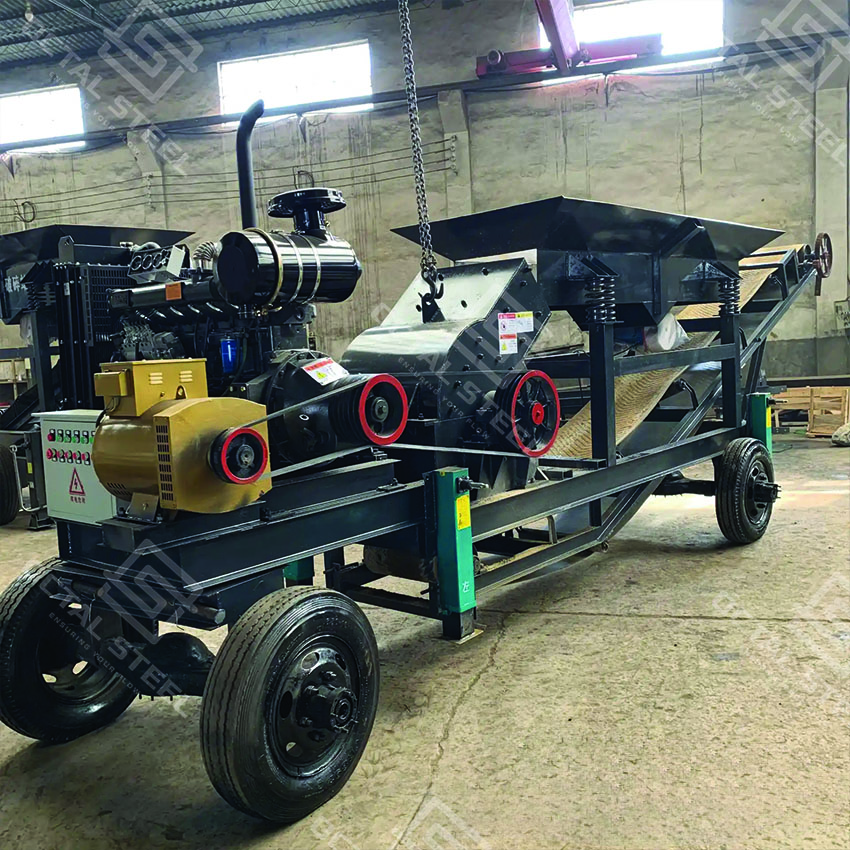
- Jaw crushers are available in several machine forms because plant layout, mobility requirement, and production duty are not the same in every project.
- 1.Stationary jaw crusher is the standard option for fixed crushing plants where foundation, conveyors, and continuous production are more important than relocation. It is commonly used in quarry, mining, and aggregate lines where the crushing section forms part of a long-term installation.
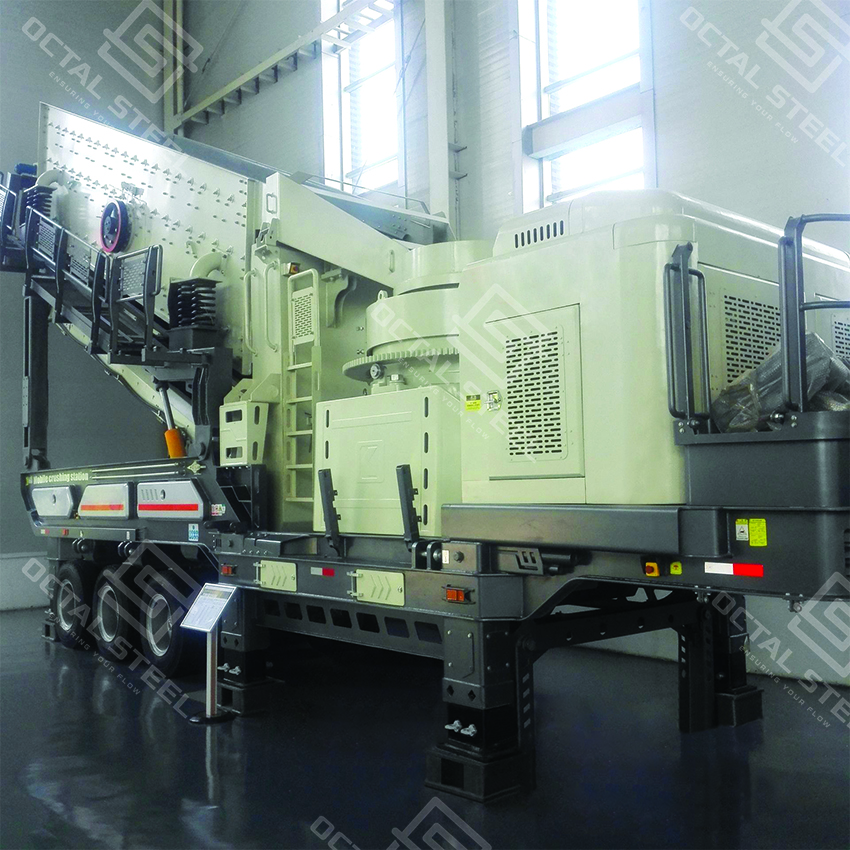
- 2.Mobile jaw crusher is more suitable where the crusher must move with the working face or where installation time and relocation flexibility are important. This layout is often selected for contract crushing, temporary projects, and demolition or recycling work.
- 3.Portable jaw crusher is typically chosen where transport convenience and fast deployment matter more than permanent civil installation.
- 4.Mini jaw crusher is more suitable for small-capacity work, sample preparation, pilot operation, light site crushing, or smaller recycling and laboratory-related duties.
Jaw Crusher Specifications
The specification table is one of the most important parts of the page, because buyers usually compare model size, opening, discharge range, and capacity before they ask about anything else. Below is a representative selection from your current model range.
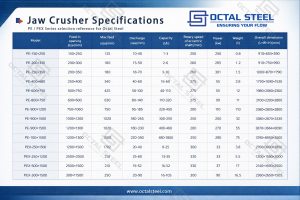
The Jaw Crusher specification range covers both smaller and larger jaw crusher models for different feed sizes, discharge requirements, and output targets. In practical selection, the key points are the feed opening, maximum feed size, discharge adjustment range, capacity, and installed power, since these parameters determine whether the crusher matches the intended primary crushing duty.
Why Jaw Crushers Are Still Chosen for Primary Crushing
| Design Feature | Technical Meaning | Why It Matters in Primary Crushing |
|---|---|---|
| Deep crushing chamber | A deeper chamber improves nip action and keeps the feed engaged through a longer crushing stroke. | Helps the crusher accept larger rock, maintain continuous reduction, and lower the risk of chamber blockage at the primary stage. |
| Heavy-duty frame structure | The main frame is built to carry repeated compressive loads, shock loads, and vibration from coarse feed. | Improves structural stability under hard-rock duty and reduces the risk of distortion, cracking, or premature failure during long-term operation. |
| Replaceable jaw plates and wear parts | Jaw plates, cheek plates, and related wear components are designed as replaceable service parts rather than permanent structural elements. | Reduces downtime during wear-part changeout and keeps maintenance cost more predictable over the operating cycle. |
| Discharge opening adjustment | The crusher allows mechanical adjustment of the discharge setting to control the product size leaving the chamber. | Makes it easier to balance the output with the next process stage and maintain a more stable feed to secondary equipment. |
The Jaw Crusher’s Role in Multi-Stage Processing Circuits
Before delving into the specific kinematics and structural engineering of the jaw crusher, it is crucial to establish its operational footprint within a macroscopic comminution circuit. In modern mining operations and aggregate processing facilities, material reduction is rarely achieved in a single pass; rather, it demands a sequential, multi-stage comminution strategy. Within this systematic material flow, the jaw crusher predominantly serves as the primary crushing unit.
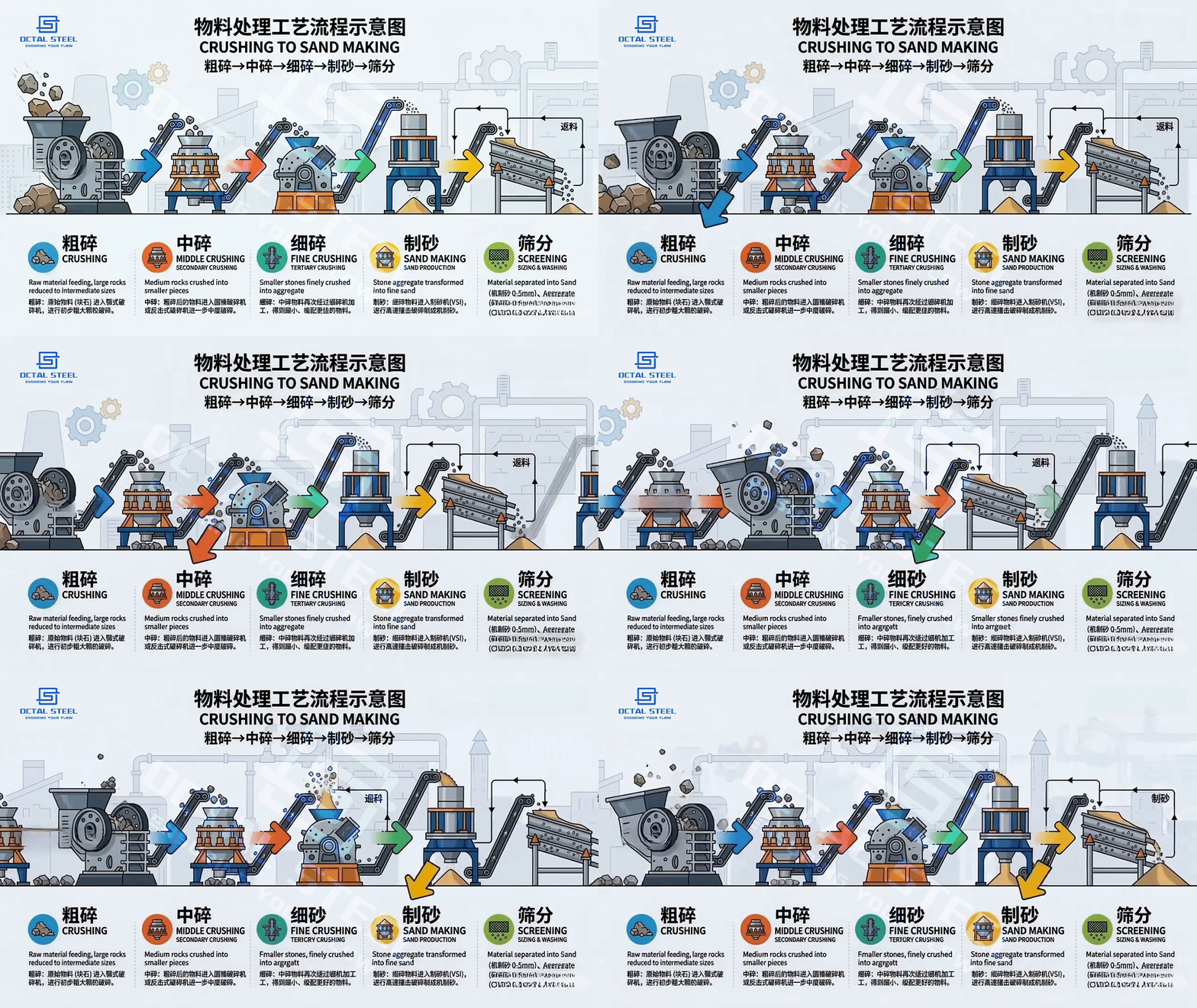
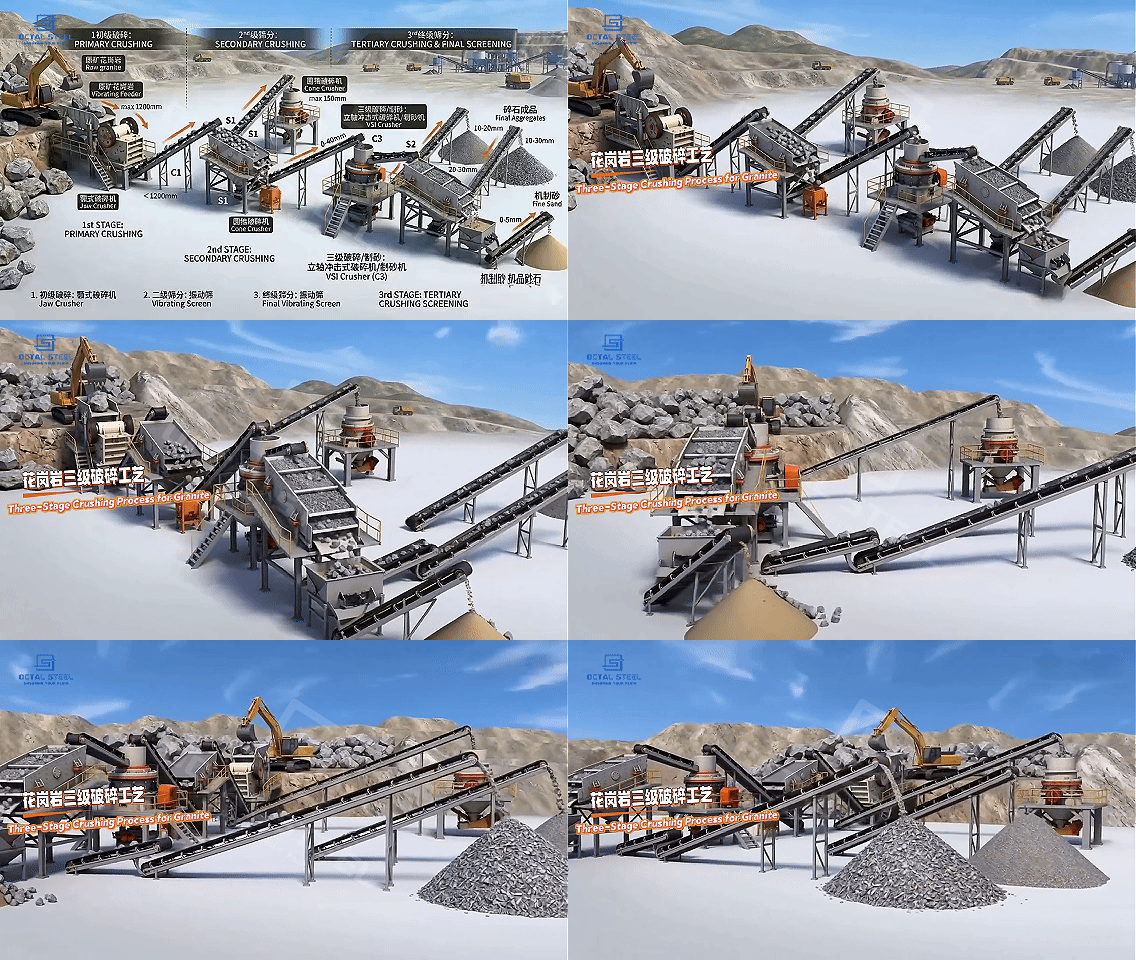
As illustrated in the operational flowsheets above—whether analyzing a comprehensive manufactured sand (M-Sand) circuit or a conventional three-stage hard rock crushing layout—the jaw crusher consistently occupies the initial stage of the material processing line.
Run-of-Mine (ROM) materials, characterized by oversized boulders that can often exceed one meter in diameter, must first undergo high-compressive primary reduction. The robust kinetic action of the jaw crusher fractures these large feed materials into a manageable intermediate fraction. This primary reduction stage is critical; it strictly conditions the feed size for downstream processing units, such as secondary cone crushers, horizontal shaft impactors (HSI), or tertiary vertical shaft impactors (VSI). Ultimately, the volumetric throughput and mechanical reliability of the primary jaw crusher dictate the continuous uptime and overall operational efficiency of the entire aggregate production plant.
How to Select the Right Jaw Crusher
Selection should begin with the feed. The first question is the largest top size that will actually enter the crusher. The second is the required discharge range for the next stage. Then comes the target throughput in tons per hour, followed by material hardness, abrasiveness, moisture condition, and plant layout. A jaw crusher that is too small for the feed will choke. A crusher that is too large for the duty may lose efficiency and increase unnecessary capital cost. The commonly cited 80% opening rule is a practical starting point for sizing.
The next decision is plant form. A fixed installation is usually the stronger option for long-running quarry or mine production. Portable and mobile layouts make more sense where the crushing point moves, civil work must stay light, or the project is temporary. Power supply, transport envelope, wear-part logistics, and site maintenance conditions should all be considered before final model selection.
For selection work, these are usually the most useful data points:
- Feed Fpening
- Maximum Feed Size
- Discharge Adjustment Range
- Rated Capacity
- Motor Power
- Machine Weight
- Overall Dimensions
- Stationary, Portable, or Mobile Layout Requirement
Working Conditions and Applications
Jaw crushers are common in quarry primary crushing, mine ore reduction, aggregate front-end crushing, and construction or demolition recycling. The machine is typically placed ahead of cone crushers, impact crushers, or screens when the incoming feed is too large for downstream equipment.
Typical application conditions include:
- In a quarry line, the machine handles blasted stone with irregular top size before secondary crushing.
- In a mining circuit, it is used for front-end ore reduction before cone crushing or grinding feed preparation.
- In recycling work, a portable or mobile unit may handle concrete and mixed demolition material where layout flexibility is more important than permanent foundation design.
- On smaller sites, a mini or lighter-duty unit can be used where space, feed size, and capacity are all limited but primary size reduction is still needed.
Jaw Crusher Price and Buying Points
Jaw crusher price is influenced less by one single number than by the overall duty. The biggest cost drivers are usually model size, feed opening, required capacity, motor power, frame weight, wear-part size, and whether the machine is stationary, portable, or mobile. A price inquiry without feed size, discharge target, material type, and required tons per hour will usually be too vague to compare accurately.
For a more useful quotation, the buyer should normally state:
- Feed material and maximum lump size
- Required output size
- Target capacity
- Fixed, portable, or mobile layout
- Power supply condition
- Wear-part expectations
- Downstream equipment or process stage
That information does more to improve quote accuracy than asking for “jaw crusher price” alone.
FAQ
Q1: What is a jaw crusher used for?
A jaw crusher is mainly used for primary crushing of rock, ore, concrete, and similar feed before secondary crushing or screening. It is commonly selected when the incoming material is too large for downstream equipment.
Q2: How does a jaw crusher work?
A jaw crusher works by compressing material between a fixed jaw and a moving jaw driven by an eccentric shaft. As the gap narrows, the feed fractures; once it is smaller than the discharge opening, it leaves the chamber from the bottom.
Q3: How do you measure jaw crusher gap?
The jaw crusher gap is usually measured as the closed-side setting (CSS) at the bottom of the chamber where the jaws are closest together. A common field method is to turn the flywheel to the closest position and measure the distance between the jaw profiles at that point.
Q4: What size jaw crusher do I need?
Jaw crusher size should be selected from the maximum feed size, required discharge range, target capacity, and material condition. A common industry rule is to keep the largest feed at about 80% of the crusher opening to reduce bridging and chamber blockage.