Your Responsible Supplier Partner for Oil and Gas Products.

Carbon Steel Plate Specification
Carbon Steel Plate Specification
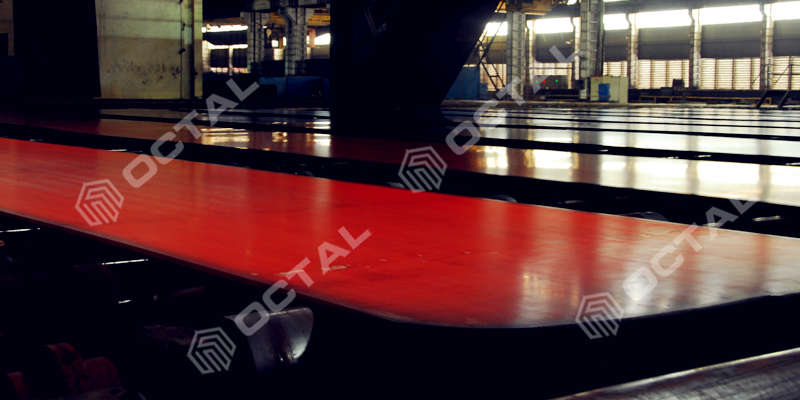
Carbon steel plates are generally defined as flat steel products with carbon as the principal alloying element and only limited amounts of other alloying elements. The main controlled elements typically include carbon (C), manganese (Mn), phosphorus (P), sulfur (S), and silicon (Si), while other elements such as aluminum (Al), chromium (Cr), nickel (Ni), molybdenum (Mo), or vanadium (V) may be present depending on the specification or steelmaking route. In practical specification terms, carbon steel plate is usually identified not only by its chemical composition, but also by grade, mechanical properties, thickness range, and intended service.
Key Characteristics of Carbon Steel Plates:
- Composition: Carbon steel plates typically contain carbon content ranging from 0.05% to 2.0%, which affects their hardness and strength.
- Types: They can be categorized into low, medium, and high carbon steels, each with different properties and applications.
- Applications: Commonly used in structural applications, such as beams, columns, and bridges, as well as in manufacturing processes for machinery and equipment.
Benefits:
- Strength and Durability: Carbon steel plates are known for their high tensile strength and ability to withstand heavy loads.
- Cost-Effectiveness: They are generally more affordable compared to other types of steel, making them a popular choice for various projects.
- Weldability: Many carbon steel plates can be easily welded, allowing for versatile construction and fabrication options.
Carbon steel plates are offered in various grades, categorized based on carbon content and strength.
These plates are classified as low, medium, and high carbon steel. Increasing carbon content enhances the plate’s durability and strength. Additionally, there are subcategories based on thickness, usage, and manufacturing processes. Typically, carbon steel plates range in thickness from 0.4 mm to 80 mm, with widths varying from 1,000 mm to 45,000 mm, and lengths can extend up to 18 meters. However, lengths can be customized to meet specific application needs. Furthermore, these plates can be utilized to produce cold-rolled steel coils.
to put them into various applications. One can also make cold rolled steel coils from them.
Carbon content levels for each of carbon steel plate
Carbon steel plate is commonly grouped into low-carbon, medium-carbon, and high-carbon categories according to its carbon content. The category affects weldability, hardness, formability, and typical service use.
| Carbon Category | Carbon Content Range | Also Known As | Main Characteristics | Typical Use |
|---|---|---|---|---|
| Low Carbon Steel Plate | 0.06%–0.25% | Mild steel plate | Better weldability and formability | Structural fabrication, general plate work |
| Medium Carbon Steel Plate | 0.25%–0.55% | Medium carbon steel plate | Higher strength and hardness than low carbon steel | Machinery parts, heavier fabricated sections |
| High Carbon Steel Plate | 0.55%–1.0% | Hard steel plate | Higher hardness and wear resistance | Wear parts, cutting and tooling-related use |
Note: As the carbon content increases, the hardness of the steel plate generally increases, while weldability and formability tend to decrease.
Carbon Steel Plate vs Carbon Steel Sheet
Carbon steel plate and carbon steel sheet are not usually specified in the same way. In general market practice, plate is the thicker product used for structural, fabricated, and pressure-service applications, while sheet is more commonly associated with thinner-gauge forming and general fabrication. A specification page should therefore focus on plate grade, thickness, delivery condition, and service use rather than mixing sheet and plate into one general description.
What Are The Different Types Of Carbon Steel Plates Available?
Carbon steel plates are utilized across various industries due to their versatility. They are categorized by carbon content, ranging from low to high, and also classified based on their specific usage and applications. Different types of carbon steel plates serve as fundamental materials for component construction in machinery and production companies, thanks to their durability, making them suitable for various manufacturing parts.
In addition to carbon steel plates, other categories include vessel steel plates, shipbuilding or construction steel plates, structural steel plates, pipeline plates, and stainless steel plates.
Below there are Different Types Of Carbon Steel Plates And Their Usage.
Carbon Structural Steel Plate
It is mostly used in construction industry and hence, the quality, durability, and performance have to be of highest standard. They have to withstand overweight load and pressure and must be corrosion resistant. It is known by the name construction steel plate.
Boiler Steel Plate
These are high-pressure plates generally used in designing vessels, boilers, and heat containers. Carbon boiler steel plates have low corrosive property and can withstand low heat. Several layers of either chromium or nickel are added to make it suitable for usage in various environments.
Tanks Steel Plate
These plates are used for building of oil and gas tanks, storage tanks, water tanks, and tanks for storage other all kinds of stuffs.
Carbon Shipbuilding Steel Plate
Shipbuilding Steel Plate – These plates are in high demand especially from oil and gas industry as they require thick plates of extremely good quality. Most of these are made according to the specifications of the customers and the steel used is certified because a small lamellar tear can be fatal.
Carbon Steel Plate Thickness, Dimensions, and Surface Condition
Carbon steel plate is supplied across a wide thickness range depending on grade and service type. Structural plate, pressure-vessel plate, and higher-strength plate are not always stocked in the same thickness and dimension pattern, so thickness, width, length, and surface condition should be confirmed together rather than treated as separate items.
| Item | Typical Specification Focus |
|---|---|
| Thickness | Selected according to grade, fabrication route, and service duty |
| Width | Standard mill widths or cut-to-width supply |
| Length | Standard plate length or cut-to-length supply |
| Surface Condition | Hot-rolled mill finish, pickled and oiled, shot-blasted, or prepared for coating |
| Delivery Condition | As-rolled, normalized, or other condition depending on grade/specification |
| Cutting Service | Flame cutting, plasma cutting, laser cutting, or custom profiling where required |
What standards referred to carbon steel plate
Carbon steel plate almost include all the common standards of steel plate/sheet.
1. ASTM A36 plates – The most common standards of carbon steel plate
2. ASTM A283 Grade A, B, C – Also most common material in carbon structural.
3. ASTM A516 – For boiler, vessel steel plate.
4. ASTM A537 – For heat treated carbon steel plate in fusion welded pressure vessels and structural steel plates.
5. ASTM A573 – A kind of structural steel plate with carbon-manganese-silicon.
6. ASTM A572 – ASTM A572 plate mechanical strength is higher than A36. Where with lower weight.
7. ASTM A737 – For boiler, pressure vessels steel plate of low alloy steel.
and etc..
| Grade | Typical Application |
|---|---|
| ASTM A36 | Buildings, bridges, frames, base plates, general fabricated structures |
| ASTM A283 | Storage tanks, general fabrication, low to moderate strength structural parts |
| ASTM A516 Gr. 70 | Boilers, tanks, pressure vessels, pressure-retaining fabricated equipment |
| ASTM A572 Gr. 50 | Bridges, cranes, heavy machinery structures, higher-strength structural members |
| ASTM A537 | Pressure vessels and heavier-duty fabricated equipment |
| ASTM A573 | Structural plate where higher strength and good fabrication balance are required |
So carbon steel plates have a widely coverage for different types of steel plates in different industries.
Octal has carbon steel plate on sale, with very competitive prices from China, if you have any projects required for above plates, just contact us for a good offer.
FAQ
What is the difference between carbon steel plate and carbon steel sheet?
Carbon steel plate is generally specified for thicker, load-bearing, structural, or pressure-service use, while sheet is more commonly associated with thinner-gauge forming and general fabrication.
What are the most common carbon steel plate grades?
Common market grades include ASTM A36, A283, A516, A572, A537, and A573, depending on whether the application is structural, higher-strength structural, or pressure-vessel service.
What thickness range is common for carbon steel plate?
The thickness range depends on grade and service type. Structural plate, pressure-vessel plate, and higher-strength plate are not always stocked in the same pattern, so thickness should be checked together with grade and delivery condition.
Which carbon steel plate grade is used for pressure vessel service?
ASTM A516 is one of the most common carbon steel plate grades for pressure vessel service, especially where plate selection is tied to pressure-retaining equipment and documented specification control.


Tags:steel plate
Related Products

Related Resources




Recent News

Hot Topic

Octal is located in China recognized as a leading supplier, distributor, and manufacturer union in providing piping solutions for oil and gas company. Product ranges in Steel Pipe, Casing and Tubing, Steel Plate, Sucker Rod, Steel Pipe Fittings, Valves, and Equipment for pipelines.
Contact Info
Unit 2544, 25/F, Tower A, Wanda Plaza, Wenfeng District, Anyang, Henan, China & Building A, No.18 Dirun Road, Zhengdong New District, Zhengzhou, Henan, China
+86 372 2157660 / +86 186 3727 1277
[email protected]